
TourLink
About
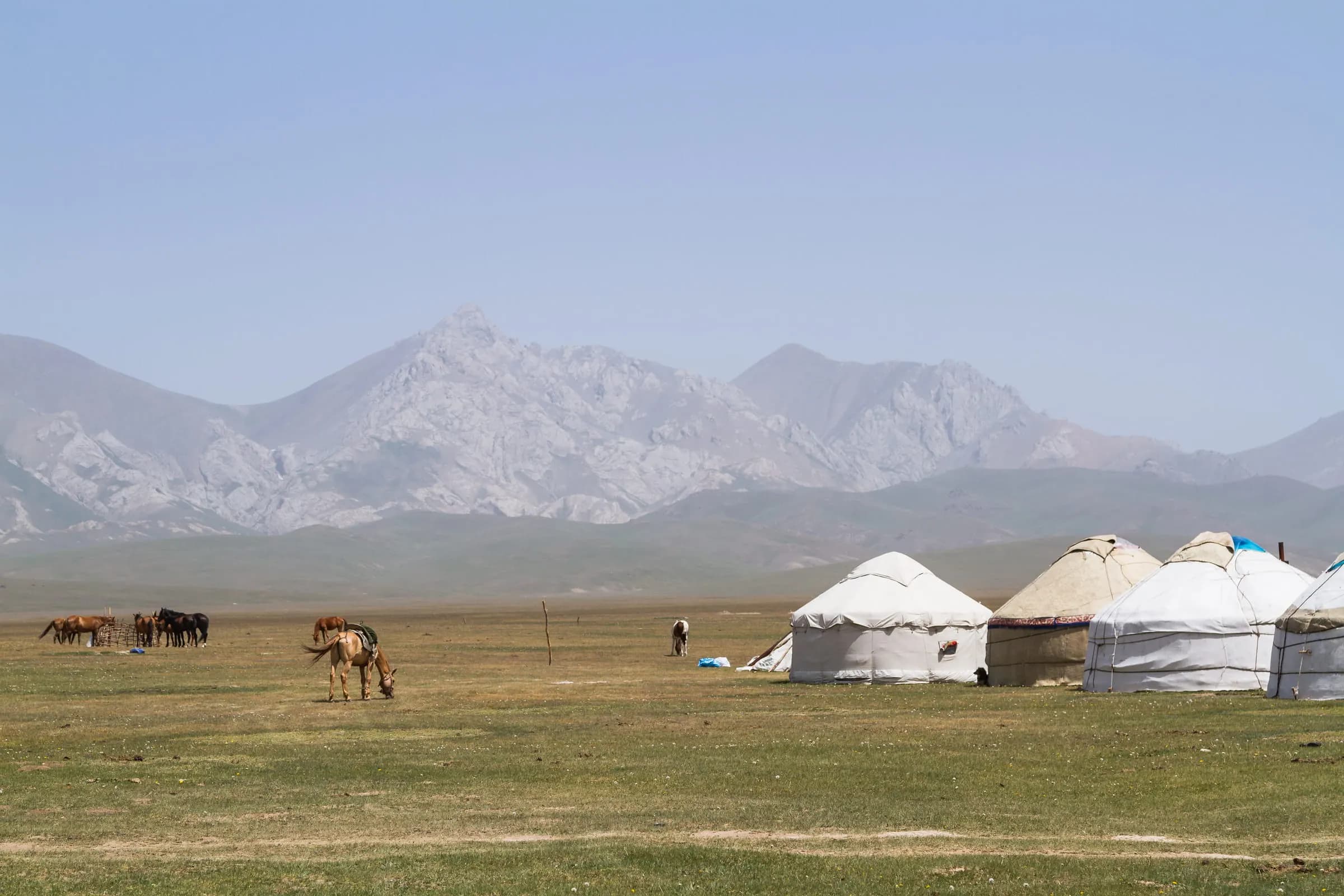
Song-Kul is where the central highland route opens into water, pasture, horses, and sky.
Read Song-Kul through movement rather than streets: climb in from Kochkor or Naryn, keep the lake as the main pause, choose the yurt-camp overnight carefully, then decide whether the route returns west, continues to Naryn, or turns later toward Tash Rabat.
Song-Kul feels strongest when the route does less, not more. One lake, one camp, one weather-aware road choice, and a realistic exit usually make the high country feel clearer.
Agencies and travellers who need Song-Kul as a readable stop — strong places, honest pacing, and logistics that hold.
Getting around
Read Song-Kul through movement rather than streets: climb in from Kochkor or Naryn, keep the lake as the main pause, choose the yurt-camp overnight carefully, then decide whether the route returns west, continues to Naryn, or turns later toward Tash Rabat.
Route choice
Song-Kul feels strongest when the route does less, not more. One lake, one camp, one weather-aware road choice, and a realistic exit usually make the high country feel clearer.
Kochkor and Naryn give different road logic. The right approach depends on season, vehicle, previous overnight, and where the journey goes next.
Route map
The map keeps the lake-area logic visible: Kochkor on the approach, Song-Kul Lake as the anchor, Naryn on the practical river road, and Tash Rabat as a separate southbound continuation.
What to see
Begin with Song-Kul Lake itself. Around it, yurt camps, riding routes, pass approaches, pasture culture, and birdlife add context only when the right host, access, and safety checks are clear.
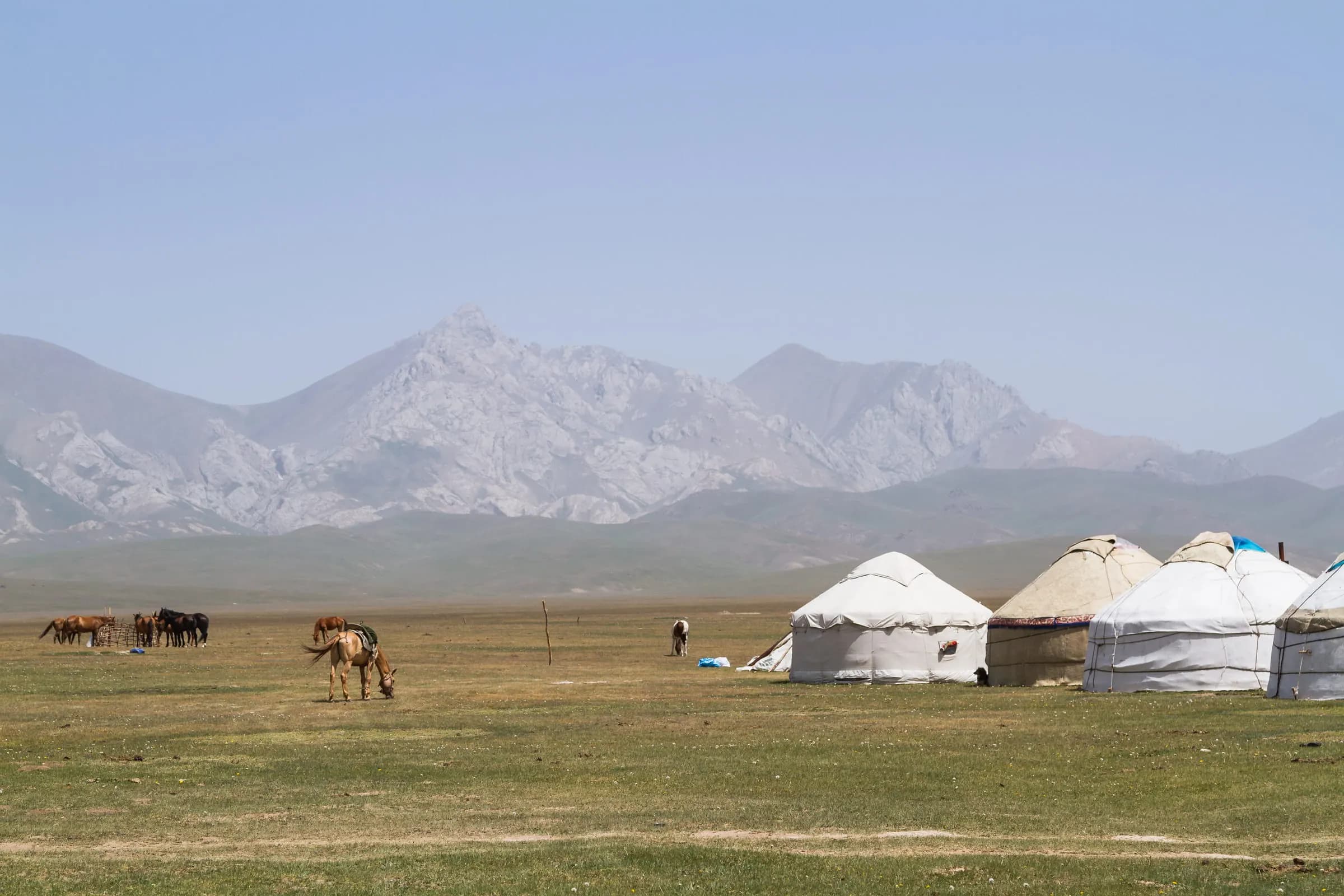
Song-Kul is where the Naryn high country opens wide. The lake lies among summer pasture, yurt camps, horses, and mountain roads that ask for patience. The visit is strongest with a night at the lake, a season check close to travel, and room for weather.
Open placeHow Song-Kul feels
Song-Kul is strongest when the road, the overnight, and the season are treated as part of the place rather than as logistics hidden behind the view.
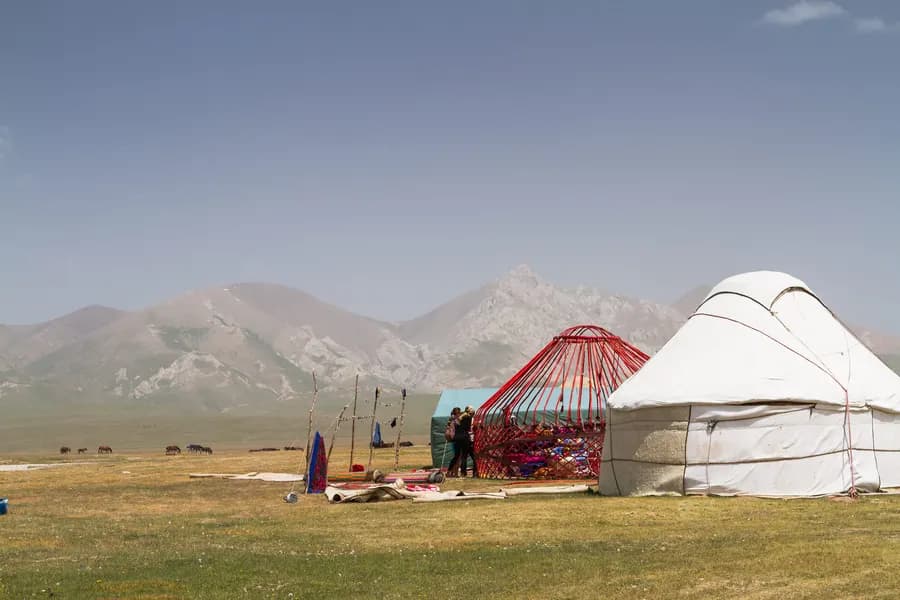
Roads, weather, warmth, meals, and camp readiness decide how calm the lake will feel once you arrive.
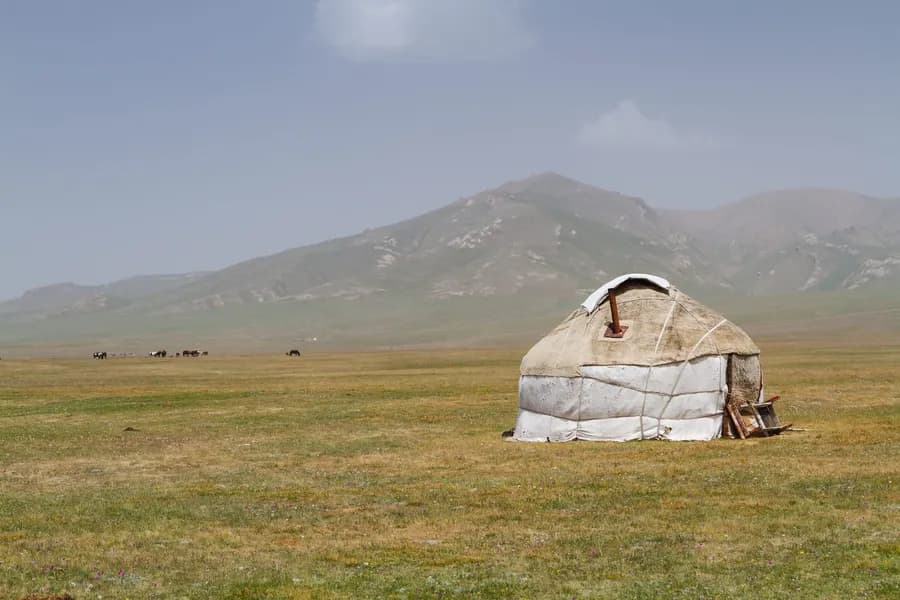
Song-Kul becomes more than scenery when the stove, bedding, tea, cold air, and host rhythm make the overnight real.
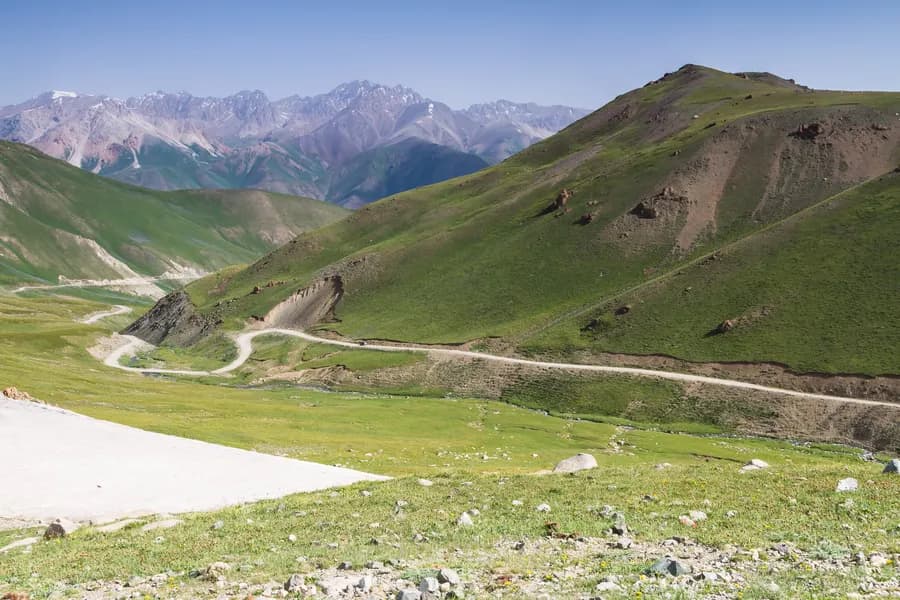
The approach changes the scale of the journey: passes, open grass, and the first view of the lake make it clear why this road should not be rushed.
Before you go
Song-Kul asks for a lighter plan than many maps suggest. The route should protect time for the road, the lake, the camp, and weather changes instead of adding every nearby highland name.
Kochkor and Naryn give different road logic. The right choice depends on season, vehicle, previous overnight, and where the route goes next.
Song-Kul is spacious because the plan is restrained: one lake, one night, the right road, and enough respect for weather.
Heating, bedding, meals, sanitation, host readiness, and group size should be clear before the lake is confirmed.
Tash Rabat, Naryn, Kochkor, and wider Central Tian Shan routes can all connect, but each needs enough road time and weather margin.
Treat Song-Kul as a high-country stay built around the lake, not as a crowded shortcut between other mountain names.
At a glance Place
Song-Kul is a seasonal lake and jailoo context, not a built town.
Main reason to stay
The lake is strongest when travelers give it a night instead of treating it as a quick viewpoint.
Season and pace
Road openings, rain, snow, wind, temperature, and camp readiness shape the plan.
Route choice
Kochkor, Naryn, and Tash Rabat are different route decisions, not small add-ons.
Confirm locally
Hosts, camp standards, road condition, riding plans, and weather should be checked close to travel.
Nearby
Kochkor often gives the craft-and-host approach, Naryn gives the practical river-road pause, and Tash Rabat adds a separate caravanserai valley when the route has enough time. Song-Kul connects them, but should not be used to compress them.
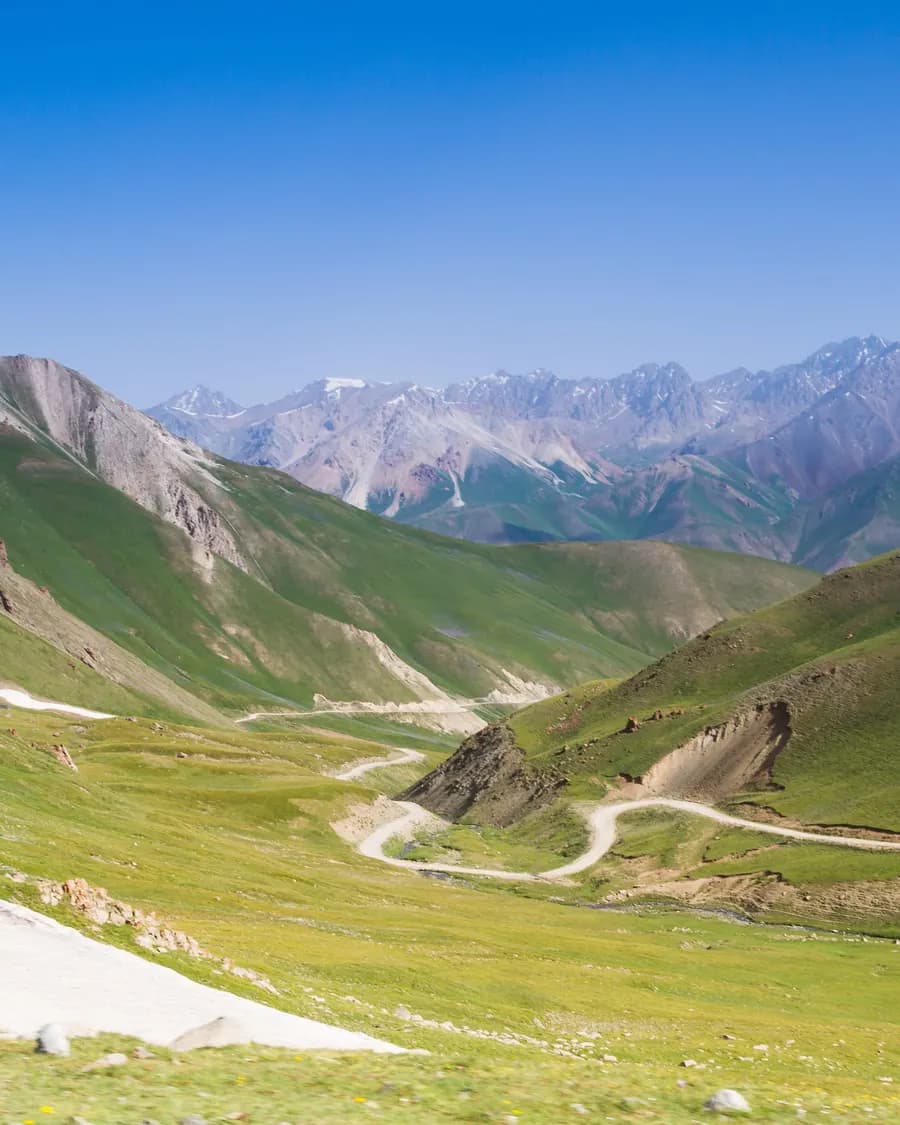
Kochkor gives the central highland route a careful first pause: felt craft, guesthouse time, market errands, and the road decisions before Song-Kul.
View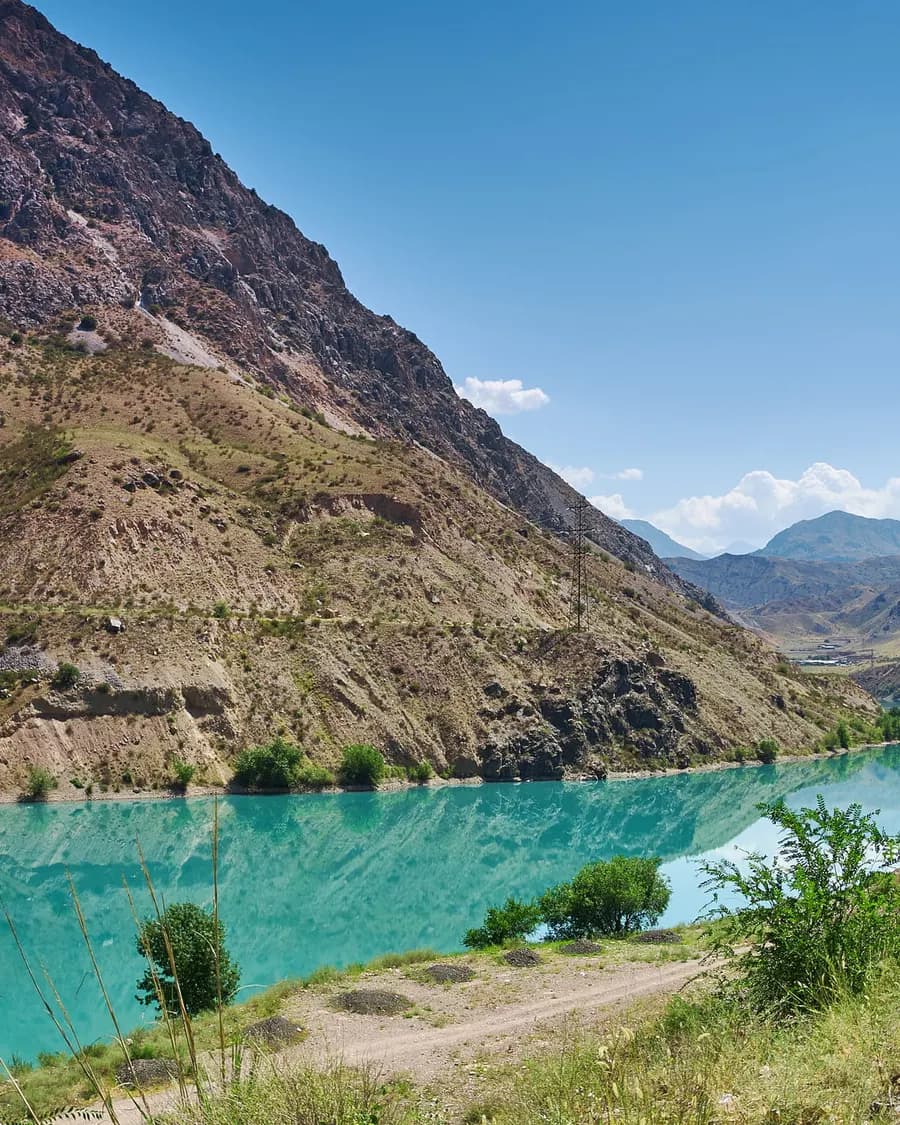
Naryn gives the central Tian Shan route a useful river pause: a city overnight, dry mountain slopes, and weather-aware choices before the road turns toward Song-Kul, Tash Rabat, At-Bashy, or Kel-Suu.
View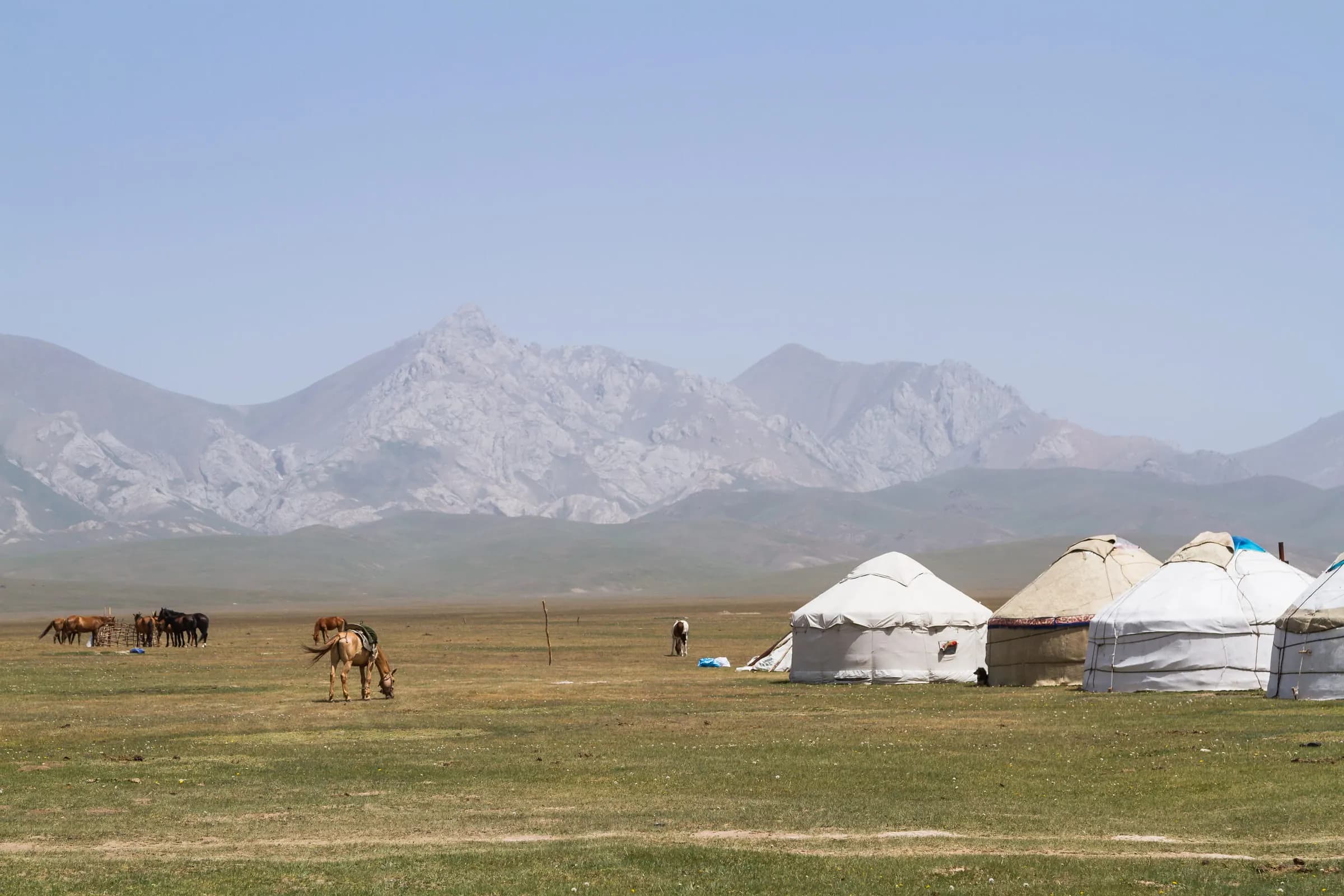
Tash Rabat is the high-valley stop beyond Naryn where the stone caravanserai, mountain weather, yurt-camp season, and southbound road turn Silk Road heritage into a careful route decision.
ViewCity in detail
Walking time, overnight location, and when day trips make sense.
1–2 nights is usually enough when the old core or main anchors get a full walking window. City tone: “High pasture, yurt camps, and onward mountain roads”.
Start with the compact city walk first. Day trips only after the centre has settled — otherwise the stop feels like a transfer with monuments attached.
Stay close enough for an evening return on foot or a short transfer. That keeps tea, dinner, and a second pass through the lanes easy without burning the next morning.
On request
We help agencies set a realistic pace and choose the right next move — without rushing the places that matter.