
TourLink
About
Tash Rabat gives the southbound Naryn road a clear purpose.
Read Tash Rabat through a few concrete movements: come south from Naryn, keep the caravanserai as the main stop, treat seasonal yurt-camp plans as something to confirm, then decide whether the route returns north, bends toward Song-Kul, or continues only with current local checks.
Tash Rabat feels strongest when the route has one clear job: reach the valley calmly, give the stone building time, and avoid turning border roads, side valleys, and camp plans into assumptions.
Agencies and travellers who need Tash Rabat as a readable stop — strong places, honest pacing, and logistics that hold.
Getting around
Read Tash Rabat through a few concrete movements: come south from Naryn, keep the caravanserai as the main stop, treat seasonal yurt-camp plans as something to confirm, then decide whether the route returns north, bends toward Song-Kul, or continues only with current local checks.
Route planning
Tash Rabat feels strongest when the route has one clear job: reach the valley calmly, give the stone building time, and avoid turning border roads, side valleys, and camp plans into assumptions.
Naryn is the practical pause before the southbound approach, where road, vehicle, and weather checks should stay visible.
Route map
The map keeps the place in its real scale: Kochkor and Song-Kul to the west, Naryn as the practical river-road pause, and Tash Rabat as a separate southbound valley.
What to see
Tash Rabat Caravanserai is the main anchor. The valley, yurt-camp stays, hiking ideas, Chatyr-Kul, and border-road context can support a wider journey, but they belong in the route only when season, access, host readiness, and permits are clear.
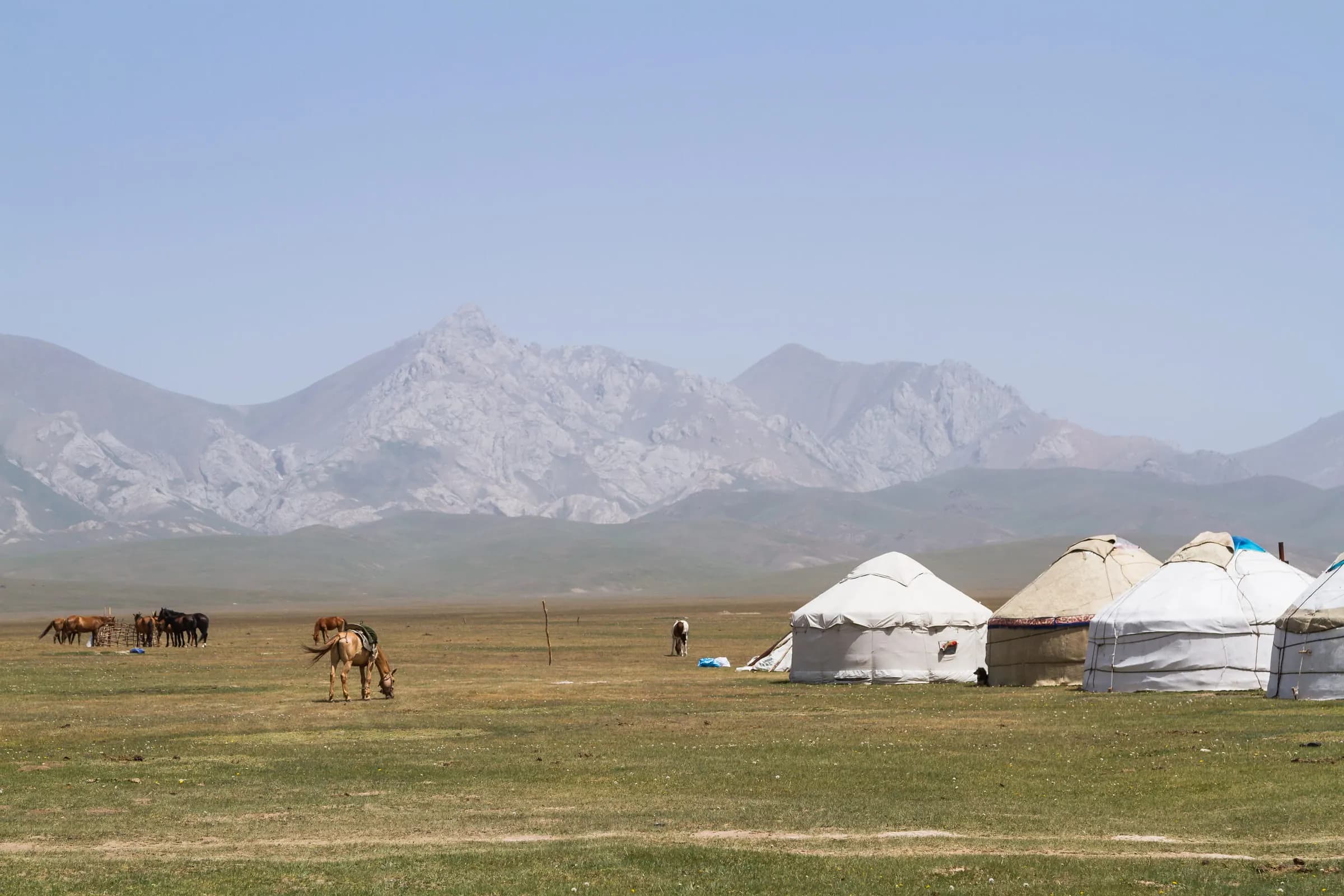
Tash Rabat gives the Naryn high country a hard stone center. The caravanserai stands away from towns, held by a narrow valley and mountain weather. Inside, the old road becomes tangible: shelter, distance, and a pause before the next stretch.
Open placeHow Tash Rabat feels
Tash Rabat gives this place three useful route moments: arriving into the exposed high valley, treating any overnight as seasonal, and deciding the next road after the caravanserai on its own terms.
The approach matters because the valley changes the mood before the building: open slopes, cold air, and a road that makes shelter feel useful.
A yurt camp can make the valley calmer when heating, bedding, meals, sanitation, host readiness, and weather are confirmed close to travel.
Naryn, Song-Kul, At-Bashy, Chatyr-Kul, and border-side continuations are different decisions, not small additions to the same stop.
Before you go
Tash Rabat is strongest as a precise high-country stop. The caravanserai gives the place its meaning, while road condition, weather, clothing, host readiness, and the onward plan decide how calm the visit will feel.
Tash Rabat Caravanserai is the main reason to come. Give the stone rooms, thresholds, valley setting, and guide interpretation enough attention before adding extra road ideas.
Tash Rabat should feel deliberate: stone shelter, high-country air, and enough time before the next road.
Seasonal yurt camps can change the rhythm, but comfort, heating, bedding, meals, sanitation, host readiness, and payment expectations need current confirmation.
At-Bashy, Chatyr-Kul, Torugart context, and higher side routes should be checked for access, permits, vehicle needs, weather, and safety instead of being treated as automatic continuations.
Leave Tash Rabat with one clear idea: heritage, weather, and the next road all need time here.
At a glance Place
Tash Rabat is a heritage area around one main stone building, not a built town.
Main anchor
The stone Silk Road site is the first public attraction and the reason the valley belongs in the route.
Season and pace
Weather, surface, vehicle, clothing, and camp readiness shape the visit more than a tidy map.
Overnight logic
Yurt camps or nearby stays need current quality and comfort checks before they enter a confirmed route.
Confirm locally
Chatyr-Kul, Torugart-side context, hiking ideas, and border-adjacent roads need separate review.
Nearby
Naryn is the practical river-road pause before the southbound approach, Song-Kul is a separate high-pasture lake decision, and Kochkor often gives the western craft-and-road context. Tash Rabat can connect with them, but it should not compress them.
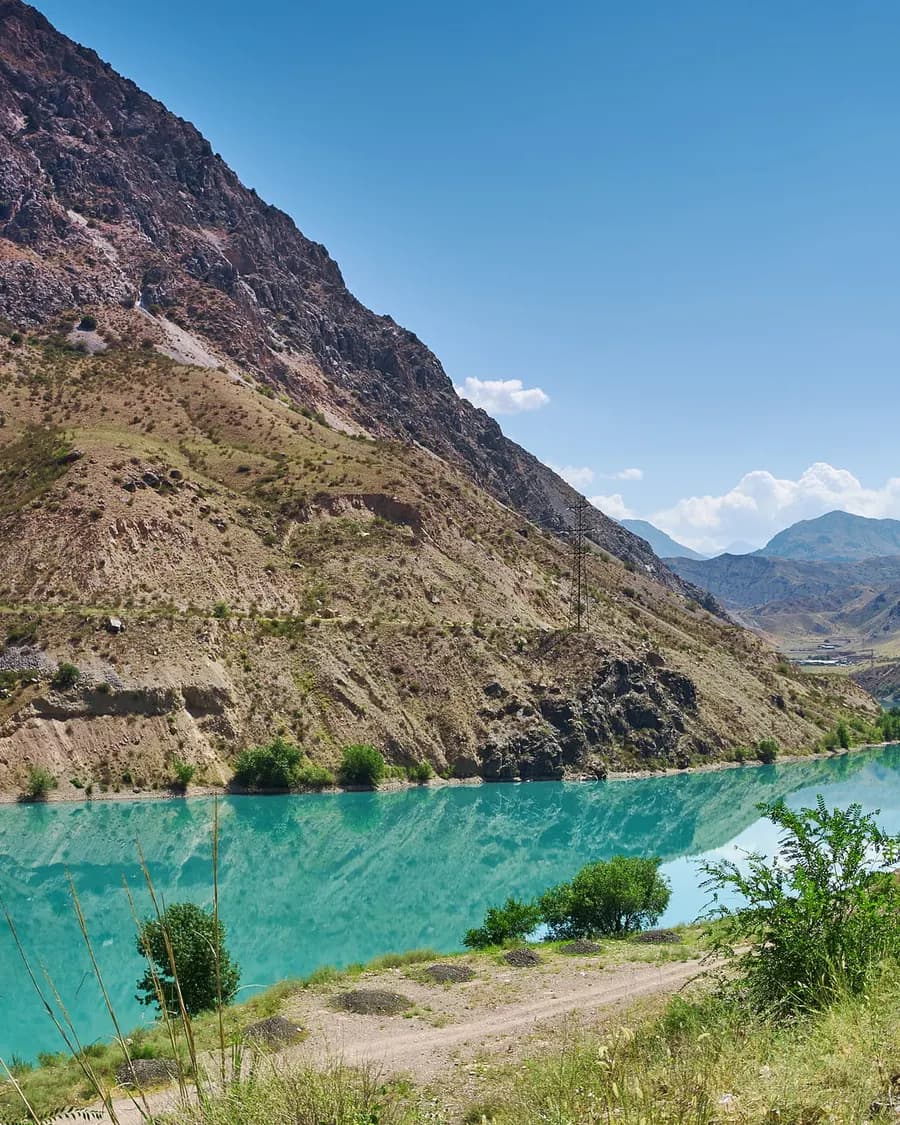
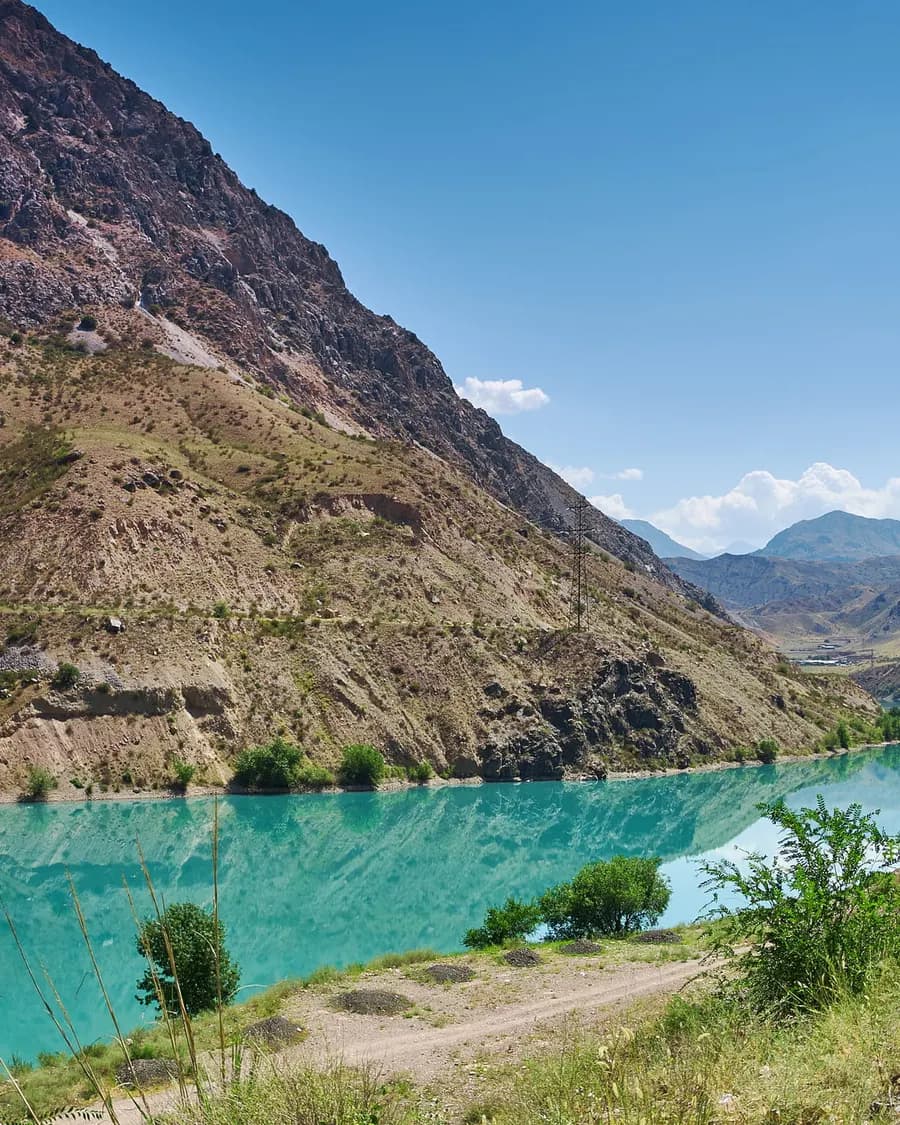
Naryn gives the central Tian Shan route a useful river pause: a city overnight, dry mountain slopes, and weather-aware choices before the road turns toward Song-Kul, Tash Rabat, At-Bashy, or Kel-Suu.
View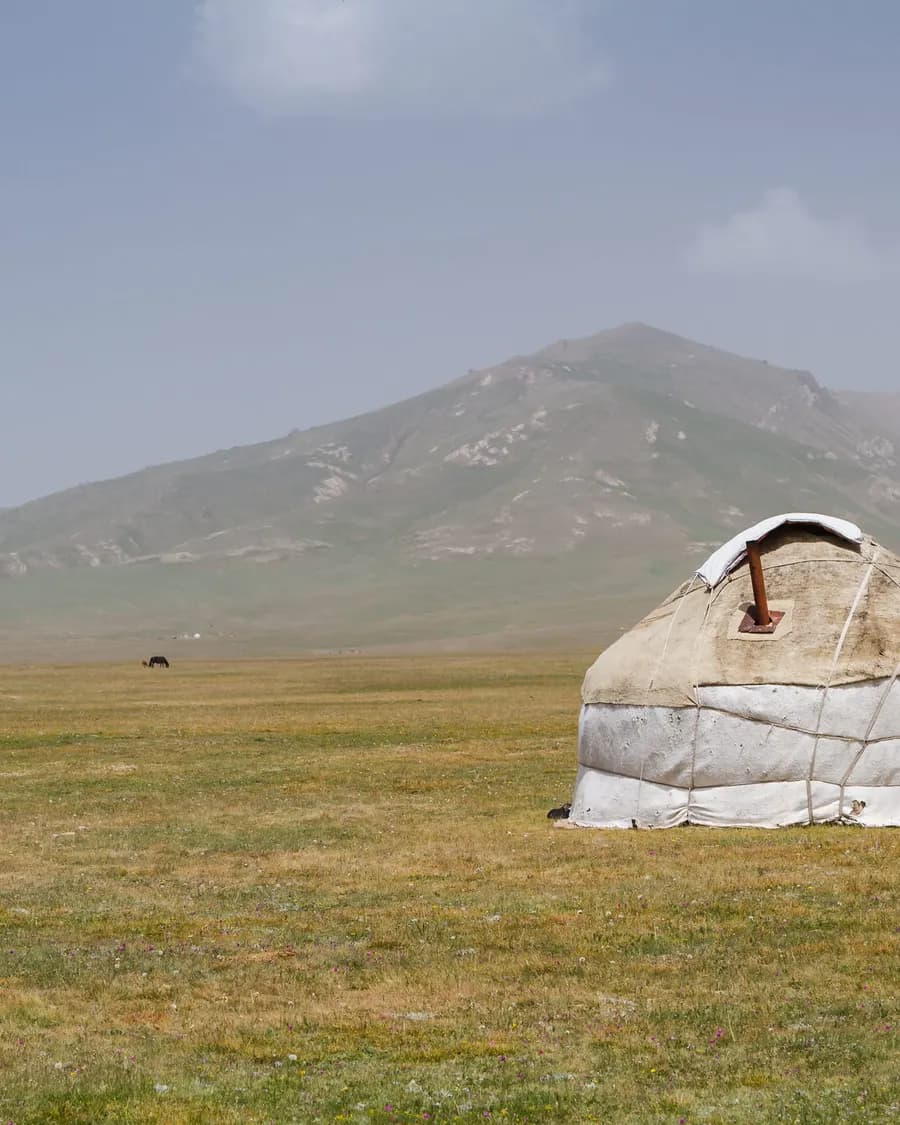
Song-Kul is the high-pasture lake area where central Kyrgyzstan slows into yurt camps, cold nights, horses, and road choices toward Kochkor, Naryn, or Tash Rabat.
View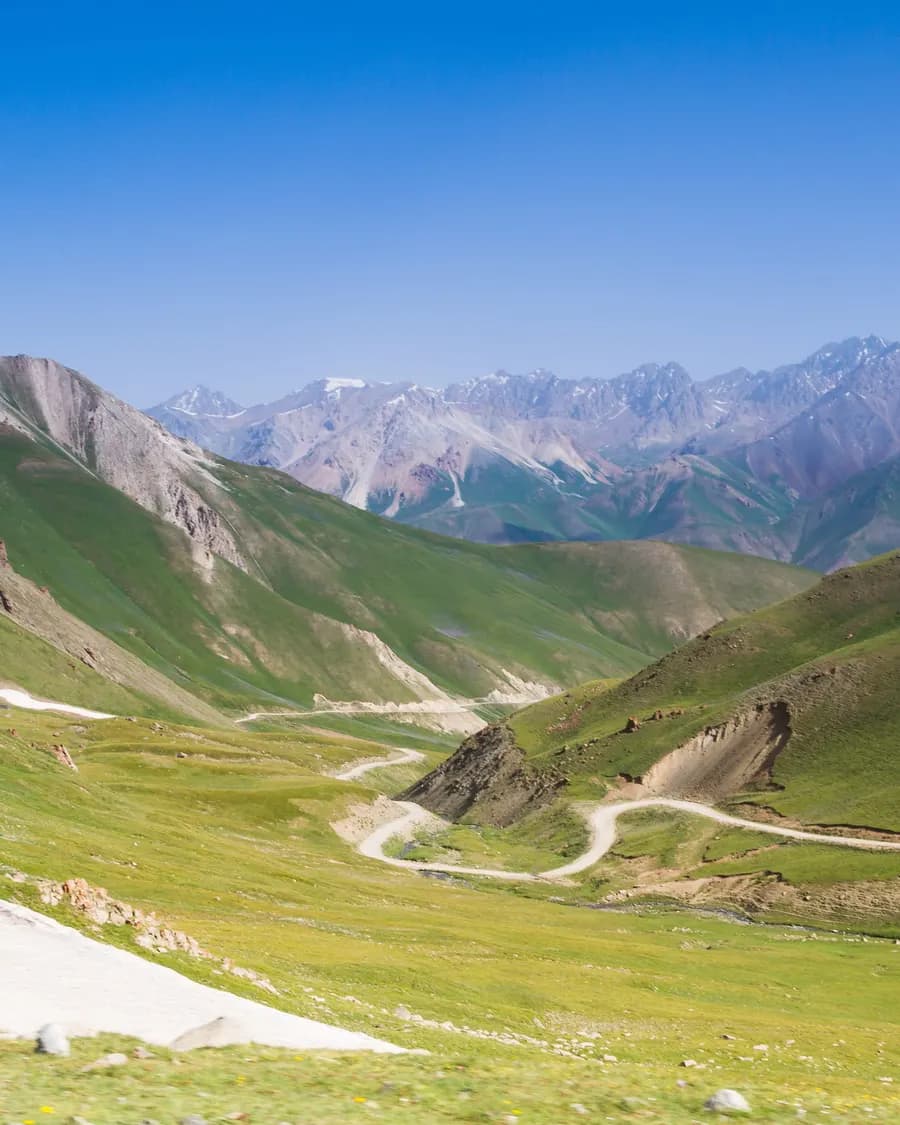
Kochkor gives the central highland route a careful first pause: felt craft, guesthouse time, market errands, and the road decisions before Song-Kul.
ViewCity in detail
Walking time, overnight location, and when day trips make sense.
one focused city day plus overnight is usually enough when the old core or main anchors get a full walking window. City tone: “Caravanserai valley beyond Naryn”.
Start with the compact city walk first. Day trips only after the centre has settled — otherwise the stop feels like a transfer with monuments attached.
Stay close enough for an evening return on foot or a short transfer. That keeps tea, dinner, and a second pass through the lanes easy without burning the next morning.
On request
We help agencies set a realistic pace and choose the right next move — without rushing the places that matter.