
TourLink
About
West of Ashgabat, Gokdepe changes the capital route from marble scale to a quieter town setting.
Gokdepe is strongest as a compact outing from Ashgabat: arrive with a clear purpose, give the mosque and fortress site enough quiet time, and keep road and heat decisions current.
A calm sequence keeps the visit useful: start with the town, enter the mosque with respect, let the guide frame the fortress site, then decide whether the road should continue.
Agencies and travellers who need Gokdepe as a readable stop — strong places, honest pacing, and logistics that hold.
Getting around
Gokdepe is strongest as a compact outing from Ashgabat: arrive with a clear purpose, give the mosque and fortress site enough quiet time, and keep road and heat decisions current.
Route sequence
A calm sequence keeps the visit useful: start with the town, enter the mosque with respect, let the guide frame the fortress site, then decide whether the road should continue.
Gokdepe is close enough to Ashgabat for a short outing, but the stop feels better when it is not rushed between unrelated places.
Route map
The map marks the town, Saparmurat Hajji Mosque, and the Geok Tepe fortress site. It helps with orientation, while exact access, prayer times, heat, and road timing stay date-specific.
What to see
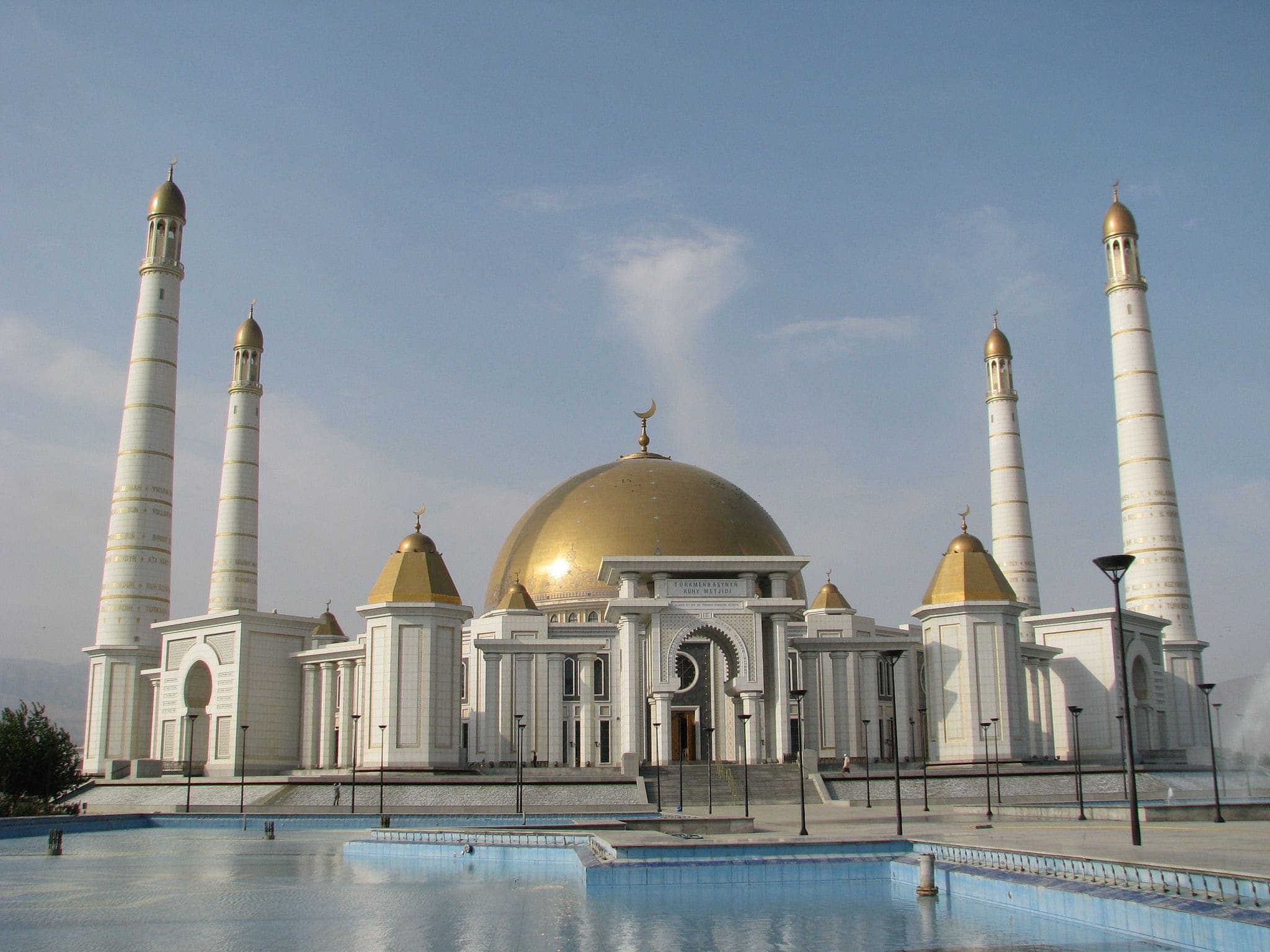
For travelers, Gokdepe rests on two anchors: Saparmurat Hajji Mosque and the Geok Tepe fortress site. Treat them as a careful pair, not as a long attraction list.
In Gokdepe, the fortress site holds the town's most sensitive historical reading. The visit should stay quiet: understand the ground, listen to the guide, and keep the mosque and wider Ahal road in the same calm frame.
Open placeIn Gokdepe, the mosque should set the tone of the stop. Dress, voice, timing, and photography come first; only then does the guide connect the building to the fortress-site memory and the Ahal road from Ashgabat.
Open placeGokdepe moments
The strongest Gokdepe visit is quiet: mosque etiquette, a guided fortress-site reading, and an Ahal road decision that respects heat, access, and pace.
In Gokdepe, the visit starts with dress, voice, timing, and a guide who keeps the mosque stop respectful before the story widens.
The ground is subtle, so the guide's tone matters: factual, human, and calm enough for the place to be understood without spectacle.
Gokdepe is close to Ashgabat, but heat, access, vehicle comfort, and the traveler's pace decide whether the Ahal outing should continue.
Before you go
Gokdepe should not feel like a casual extra stop. It earns its place when the traveler knows why the town matters and when the route allows respectful behavior.
The mosque is an active religious setting. The visit starts with dress, voice, timing, and photography choices before it becomes a sightseeing stop.
Gokdepe is strongest when it stays quiet: mosque etiquette first, memory handled with care, and the road chosen only when conditions support it.
The Geok Tepe fortress site carries difficult memory. The guide's role is to keep the history clear and grounded, without turning it into spectacle.
Gokdepe belongs in an Ashgabat outing when access, heat, and timing are clear. If heat, documents, or access feel tight, the stop should wait for a better plan.
Treat Gokdepe as a focused Ahal stop: one mosque, one fortress-site reading, and current local advice before the road continues.
At a glance Place
Useful as a focused extension from the capital region, not as a separate overnight destination for most routes.
Main anchors
Saparmurat Hajji Mosque and the Geok Tepe fortress site carry the traveler visit.
Time needed
The stop should leave room for etiquette, guide context, and the drive from Ashgabat.
Heat and pace
Open ground and road time make early or late planning more comfortable in warm months.
Before departure
Check mosque etiquette, prayer-time access, road conditions, vehicle comfort, and current local advice.
Where to continue
Ashgabat is the practical return point, Nisa gives the region its archaeological pairing, and Mary belongs to longer routes that continue beyond the capital region.
Ashgabat opens Turkmenistan through white-marble avenues, monument parks, museum rooms, carpet craft, and a deliberate road choice toward Nisa.
ViewNear Ashgabat, Nisa turns the first Turkmenistan route toward Old and New Nisa, low earthen walls, open foothill light, and Parthian history.
ViewMary is the city-side start for Ancient Merv, with arrival services, museum rooms, an overnight pause, and the road into the Murghab oasis.
ViewCity in detail
Walking time, overnight location, and when day trips make sense.
1–2 nights is usually enough when the old core or main anchors get a full walking window. City tone: “Ahal town of mosque, memory, and foothill road”.
Start with the compact city walk first. Day trips only after the centre has settled — otherwise the stop feels like a transfer with monuments attached.
Stay close enough for an evening return on foot or a short transfer. That keeps tea, dinner, and a second pass through the lanes easy without burning the next morning.
On request
We help agencies set a realistic pace and choose the right next move — without rushing the places that matter.