
TourLink
About
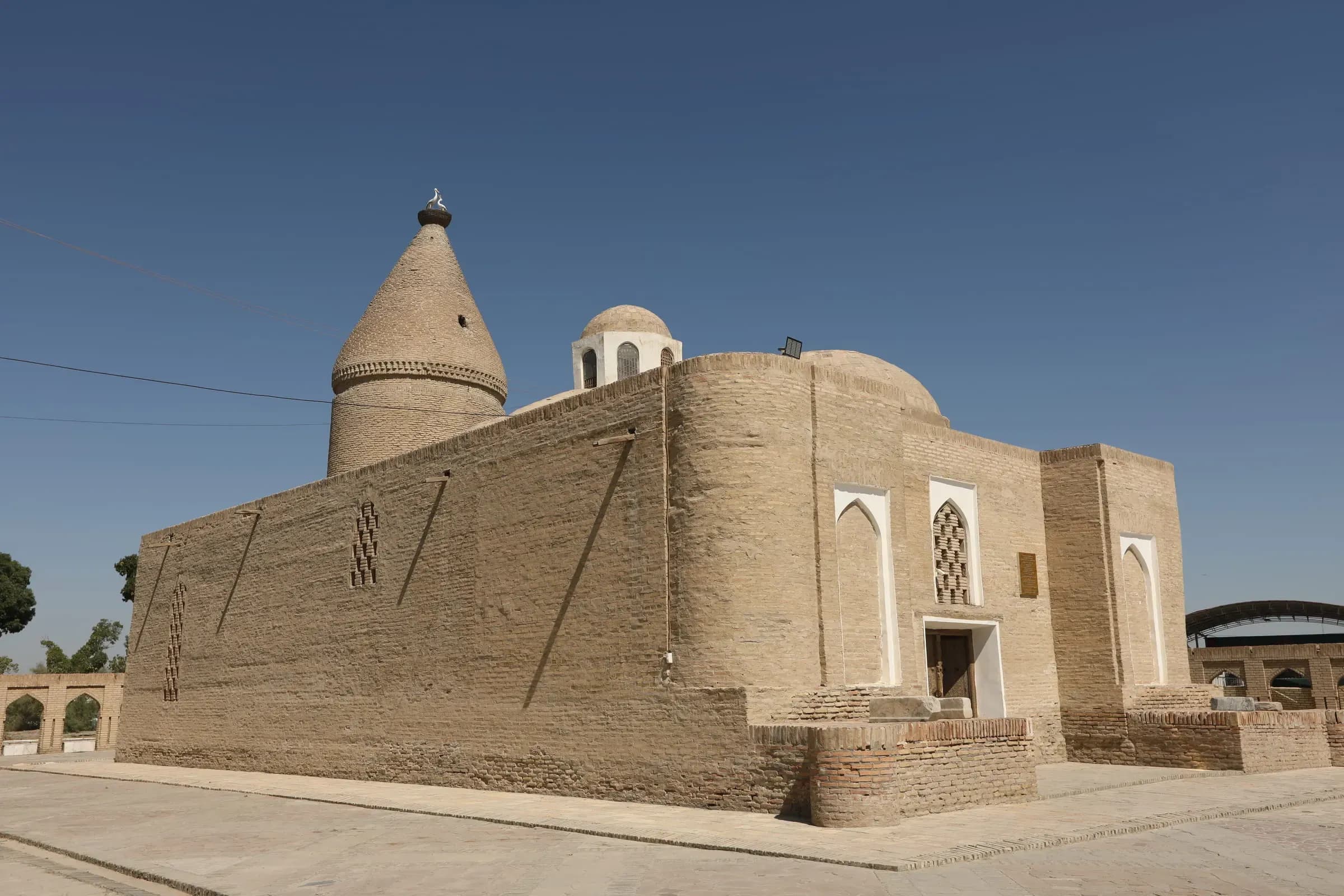
Near the Samanid Mausoleum, Chashma-Ayub shows another side of Bukhara: a spring associated with Job, a low shrine, trees, and a conical dome away from the larger ensembles.
Chashma-Ayub starts with the spring.
Keep this stop clear on the map and in the day plan — Job's spring and a conical dome beside the Samanid Mausoleum.
Agencies and travellers who need Chashma-Ayub Mausoleum as a readable stop — honest timing and a clear place on the route.
On the map
One clear point for Chashma-Ayub Mausoleum — Job's spring and a conical dome beside the Samanid Mausoleum.
Place
The map pin marks this attraction so the stop stays readable in the day plan.
Why this place
Chashma-Ayub starts with the spring. The site is associated with Saint Job, and the building took shape over several periods; its conical dome stands apart from many Bukhara monuments. The visit is about belief, architecture, and local memory held in one small place. «At Chashma-Ayub, Bukhara moves from large monuments toward a spring, a dome, and a story people still approach with respect.»
What you'll see
Look for close, concrete details: the dome profile, the low entrance, brickwork, and the museum room that explains why water matters here.
How to visit
Chashma-Ayub is compact, but it benefits from an unhurried visit. Move softly, treat the spring as part of a sacred setting, and let the museum room connect the legend with Bukhara's wider story.
Nearby in old Bukhara
The closest neighbour is the Samanid Mausoleum; the Ark and Poi-Kalyan bring the route back to Bukhara's larger architectural landmarks.
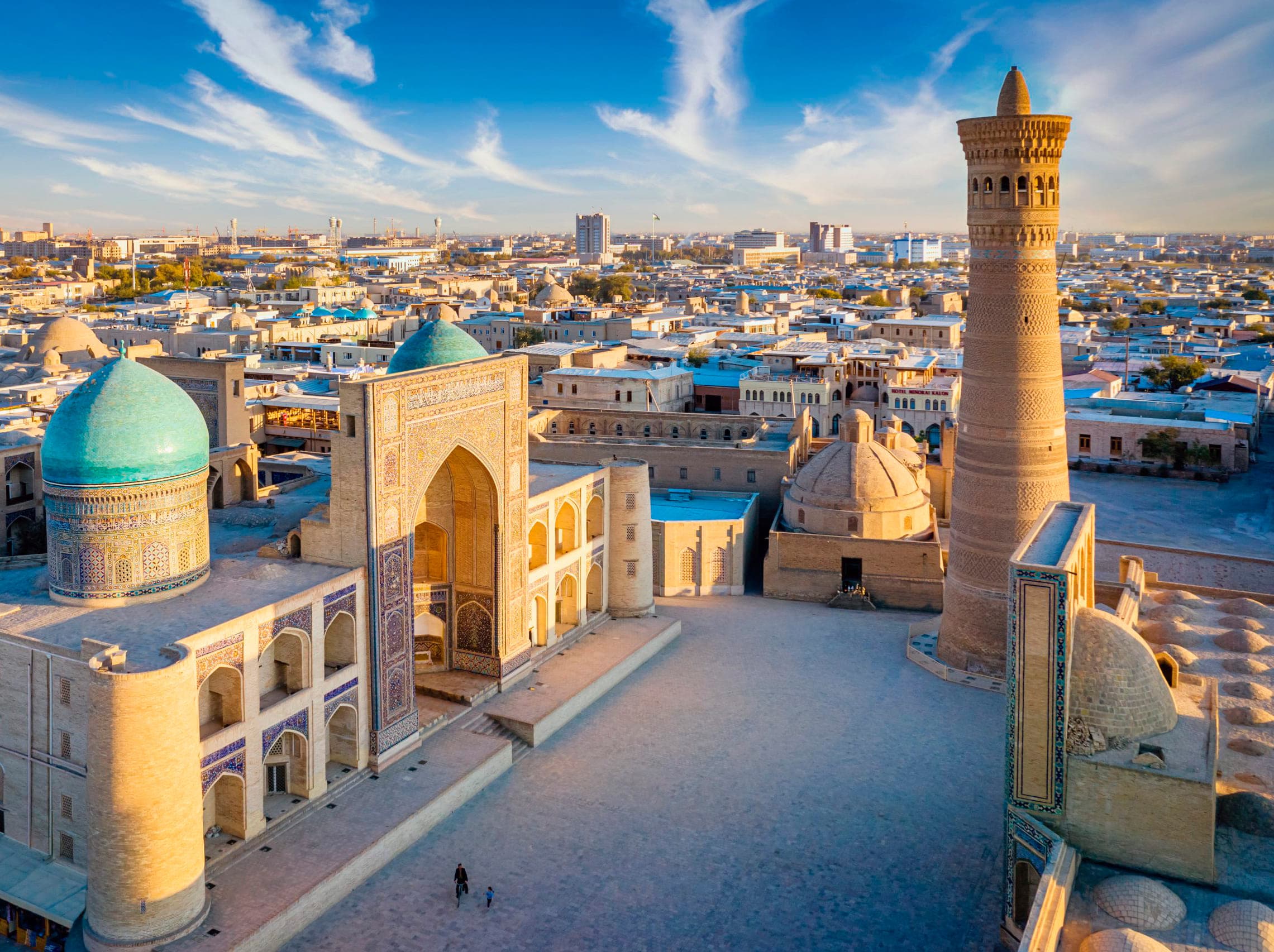
A quiet brick mausoleum near the park gives Bukhara an early architectural landmark away from the busiest streets.
View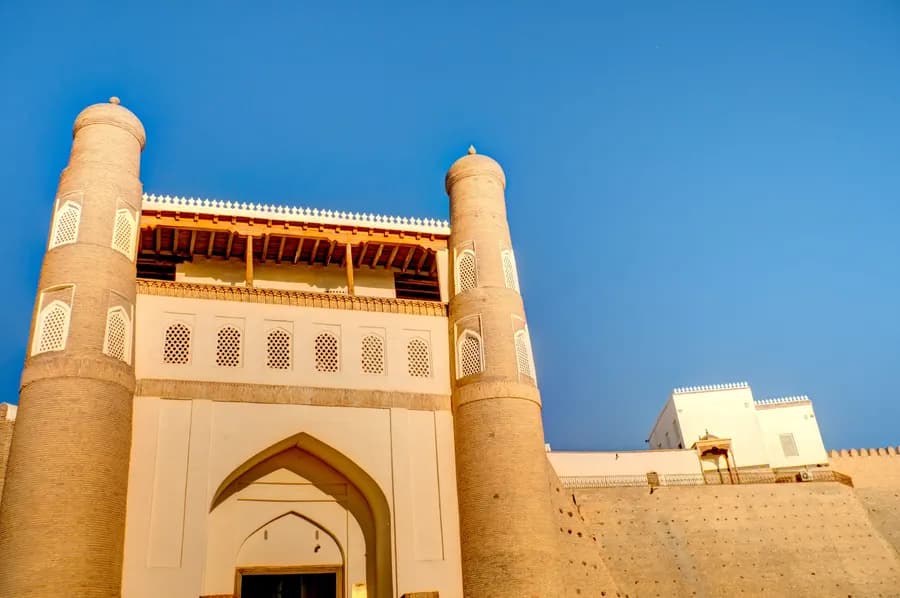
Fortress walls, museum rooms, a raised entrance, and Bolo-Hauz nearby show Bukhara's ruling side at the edge of the old city.
View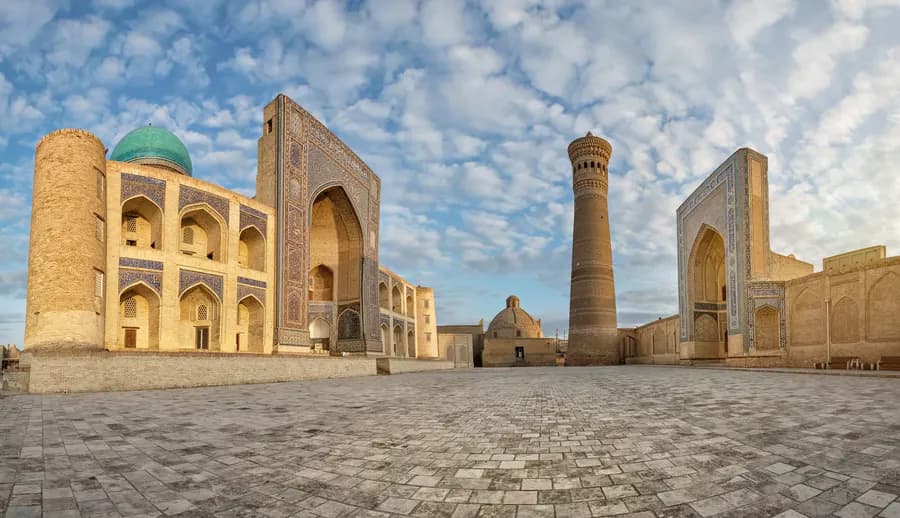
The Kalyan minaret, mosque, Miri-Arab Madrasah, brick courtyards, and old Bukhara lanes form the city's key ensemble.
ViewPlace in detail
Timing, best hours, and how this stop fits neighbouring pins.
a focused half-day with buffer is a practical range for most groups. Keep the stop readable: one clear arrival, one clear exit. Place tone: “Job's spring and a conical dome beside the Samanid Mausoleum”.
Prefer early morning or late afternoon. That usually improves comfort, photos, and how the stop feels in the sequence around bukhara.
Treat it as one clear pin on the map: arrive intentionally, avoid sandwiching it between two rushed monuments, and keep the next move short enough that the group still has energy.
On request
We help agencies place this stop with realistic timing — without rushing the places that matter.