TourLink
About
Beside Savitsky, this museum shows Karakalpakstan differently: archaeology from ancient Khorezm, ethnographic objects, folk craft, Aral-region nature, and the republic's memory gathered in Nukus.
The museum is not built around one famous object.
Keep this stop clear on the map and in the day plan — Archaeology, ethnography, and Aral-region nature in Nukus.
Agencies and travellers who need History and Culture Museum as a readable stop — honest timing and a clear place on the route.
On the map
One clear point for History and Culture Museum — Archaeology, ethnography, and Aral-region nature in Nukus.
Place
The map pin marks this attraction so the stop stays readable in the day plan.
Why this place
The museum is not built around one famous object. Its meaning comes through several sections: ancient Khorezm, Karakalpak dress and craft, Aral-region nature, and the republic's modern history.
What you'll see
The museum is built from close details: old forms of Khorezm, Karakalpak material culture, and the natural world around river, steppe, and former sea.
How to visit
This is a context museum. Archaeology, ethnography, nature, and modern history help the traveler understand Karakalpakstan before the route continues to open places across the region.
What to add nearby
After Savitsky and this museum, choose Mizdakhan, Chilpyk, or Moynaq when the route should move from museum context to archaeology, river landscape, or the Aral Sea story.
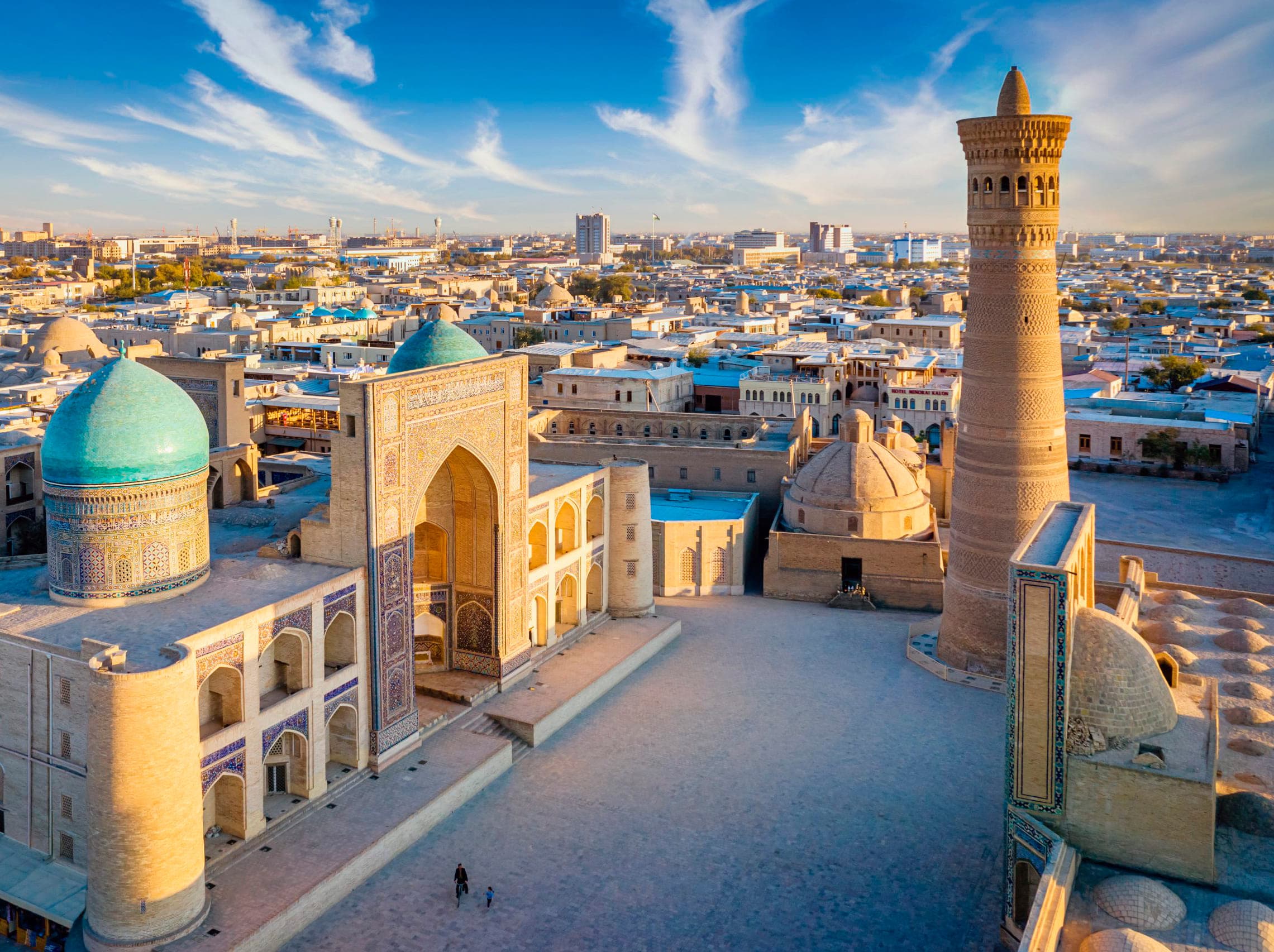
The Savitsky State Museum is the main cultural reason to pause in Nukus: Russian avant-garde painting, Karakalpak applied art, archaeology, and Igor Savitsky's collecting story before the route continues toward Moynaq or Ellikqala.
ViewMoynaq Ship Graveyard brings the Aral Sea chapter into the route: rusted fishing vessels on the former port ground, the town's fishing memory, and the long road north from Nukus.
View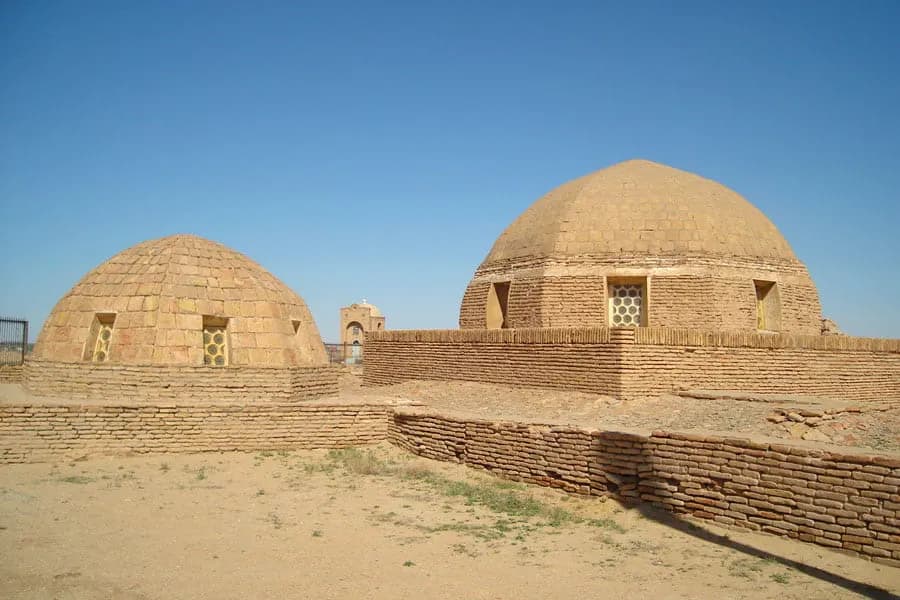
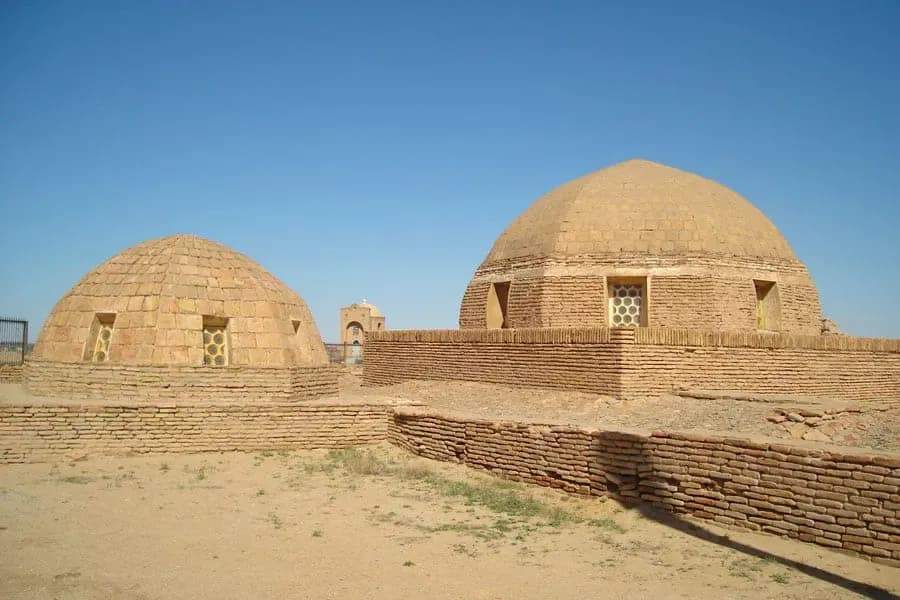
Near Khojeyli, Mizdakhan takes the Nukus route to an open necropolis: ancient burials, mazars, mausoleum domes, Gyaur-Kala context, and local legends handled with respect.
ViewSouth of Nukus, Chilpyk / Chilpik Dakhma rises above the Amu Darya road with a roofless adobe ring, ancient Khorezm context, and a respectful stop between Nukus and Khiva.
ViewPlace in detail
Timing, best hours, and how this stop fits neighbouring pins.
a focused half-day with buffer is a practical range for most groups. Plan ticket timing and indoor pacing. Place tone: “Archaeology, ethnography, and Aral-region nature in Nukus”.
Prefer early morning or late afternoon. That usually improves comfort, photos, and how the stop feels in the sequence around nukus.
Treat it as one clear pin on the map: arrive intentionally, avoid sandwiching it between two rushed monuments, and keep the next move short enough that the group still has energy.
On request
We help agencies place this stop with realistic timing — without rushing the places that matter.