
TourLink
About
The road to Hazrat Bashir leaves the Timurid scale of Shakhrisabz and Kitab for a quieter foothill rhythm.
Come to Bashir as a slower continuation from Shakhrisabz or Kitab: first the heritage road, then the foothill turn, then a village pause shaped by the sacred place, water, and family hospitality.
Bashir fits the route when the day can stay quiet enough for the shrine, water, shade, and family welcome.
Agencies and travellers who need Hazrat Bashir as a readable stop — strong places, honest pacing, and logistics that hold.
Getting around
Come to Bashir as a slower continuation from Shakhrisabz or Kitab: first the heritage road, then the foothill turn, then a village pause shaped by the sacred place, water, and family hospitality.
Route fit
Bashir fits the route when the day can stay quiet enough for the shrine, water, shade, and family welcome.
Shrine context, water, old trees, and family welcome make sense when the visit leaves room to enter respectfully.
On the map
The map shows the village position; the shrine approach, walk, and meeting place are set for the visit.
What to see
The strongest Bashir stops are close together in meaning: the sacred place, the river-and-spring shade, and the family guesthouse setting.
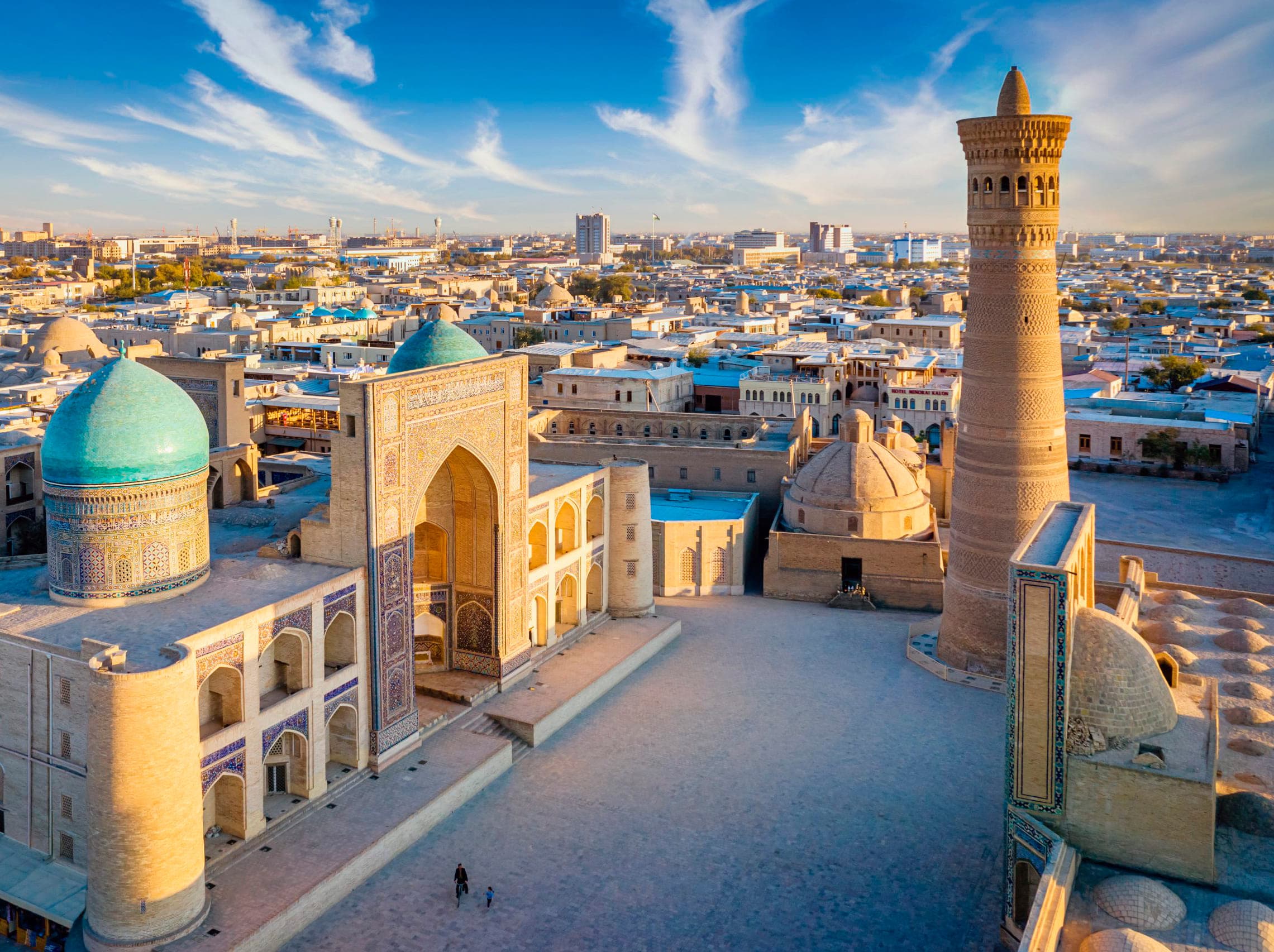
The sacred place is the first reason to slow down in Bashir. Treat it as a living pilgrimage setting: ask before photographing, follow local etiquette, and keep the visit quieter than the road might suggest.
Open placeThe water around Bashir is context, not a cure claim. It gives the village sound, shade, and a reason to pause between the sacred place, family welcome, and the foothill road.
Open placeThe family guesthouse side of Bashir matters because it brings people into the route. Tea, bread, a home meal, courtyard time, or an overnight stay should feel mutual, respectful, and scaled to the village.
Open placeVillage rhythm
Respectful pilgrimage, spring shade, the family table, a short lane walk, craft or food welcome, and the final foothill approach keep Bashir useful without making the visit feel procedural.
Arrive with modest dress, a quiet voice, and guidance on photography so the sacred context stays central.
A pause by the spring and old trees lets the foothill road fall quiet before the village table or the return to Kitab.
Tea, bread, and a home meal turn Bashir into a human stop when the family is ready to receive guests.
Move between homes, water, and shade at village pace; the walk stays modest, respectful, and close to local guidance.
Local food, craft, or a small cultural welcome adds people to the pilgrimage story when the family or community is ready.
The road from Shakhrisabz and Kitab is part of the feeling: heritage gives way to foothill villages, water, and shade.
Before you go
Bashir is strongest when the sacred place, water, shade, and family welcome stay in balance.
Dress, photography, prayer moments, and group movement should follow local guidance, so the sacred setting stays central.
Arrive quietly, listen for the water, and let Bashir stay a village rather than a stop to tick off.
River sound, Qorabuloq context, and old trees give the route its pause; keep this part quiet and claim-free.
A meal, tea, or overnight stay belongs here when the family is ready and the visit can stay respectful.
Choose Bashir when you want the Kashkadarya route to become quieter: a respectful pilgrimage setting, river shade, and a village table below the Kitob foothills.
Before you go Official status
Bashir received tourism-village status in 2025 along with nearby Qaynar.
Main draw
Pilgrimage context, Qashqadaryo water, Qorabuloq spring shade, and a family guesthouse table.
Visit shape
A respectful pilgrimage stop, a short water-and-shade walk, a meal, or an overnight stay in the Kitob foothills.
Local rhythm
Etiquette, family welcome, weather, and the final approach are shaped close to travel.
Nearby route stops
Shakhrisabz gives the heritage scale before the foothill road; Qarshi keeps the Bashir pause connected to the wider Kashkadarya route.
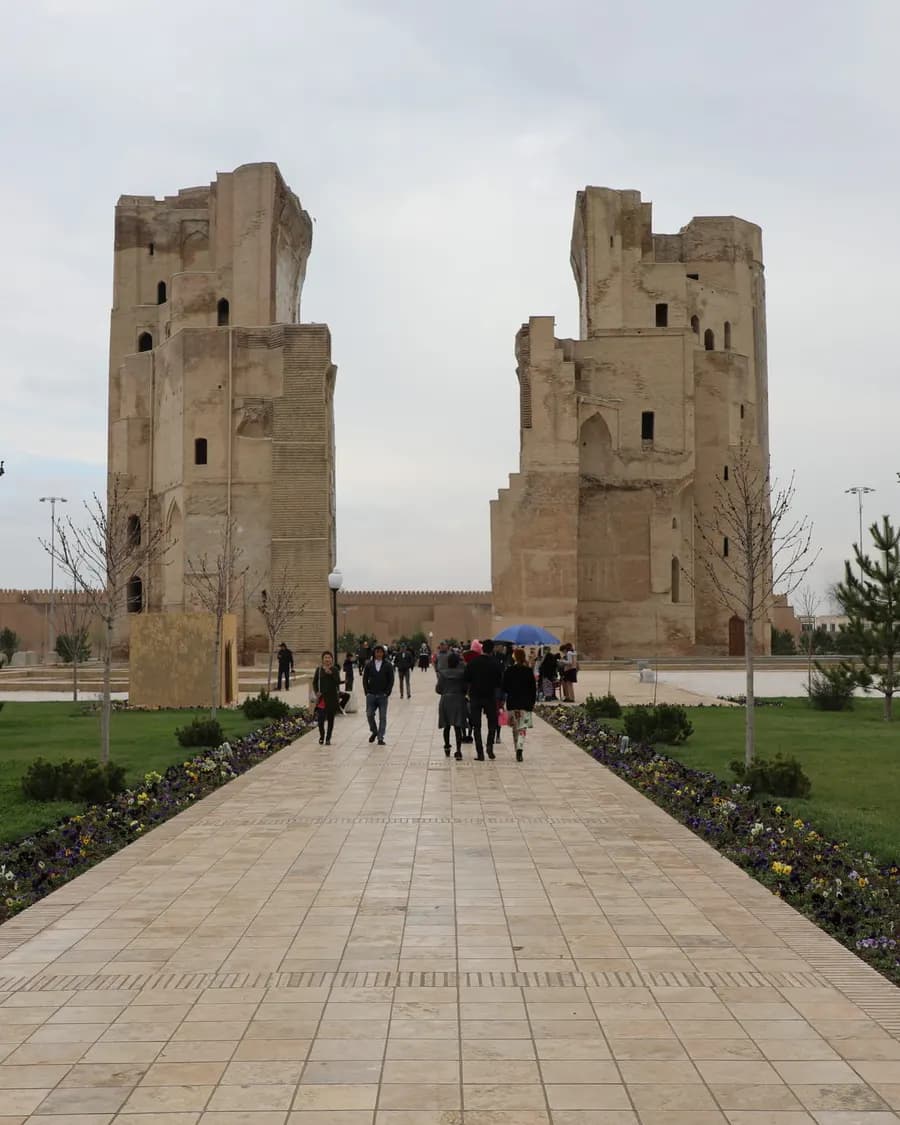
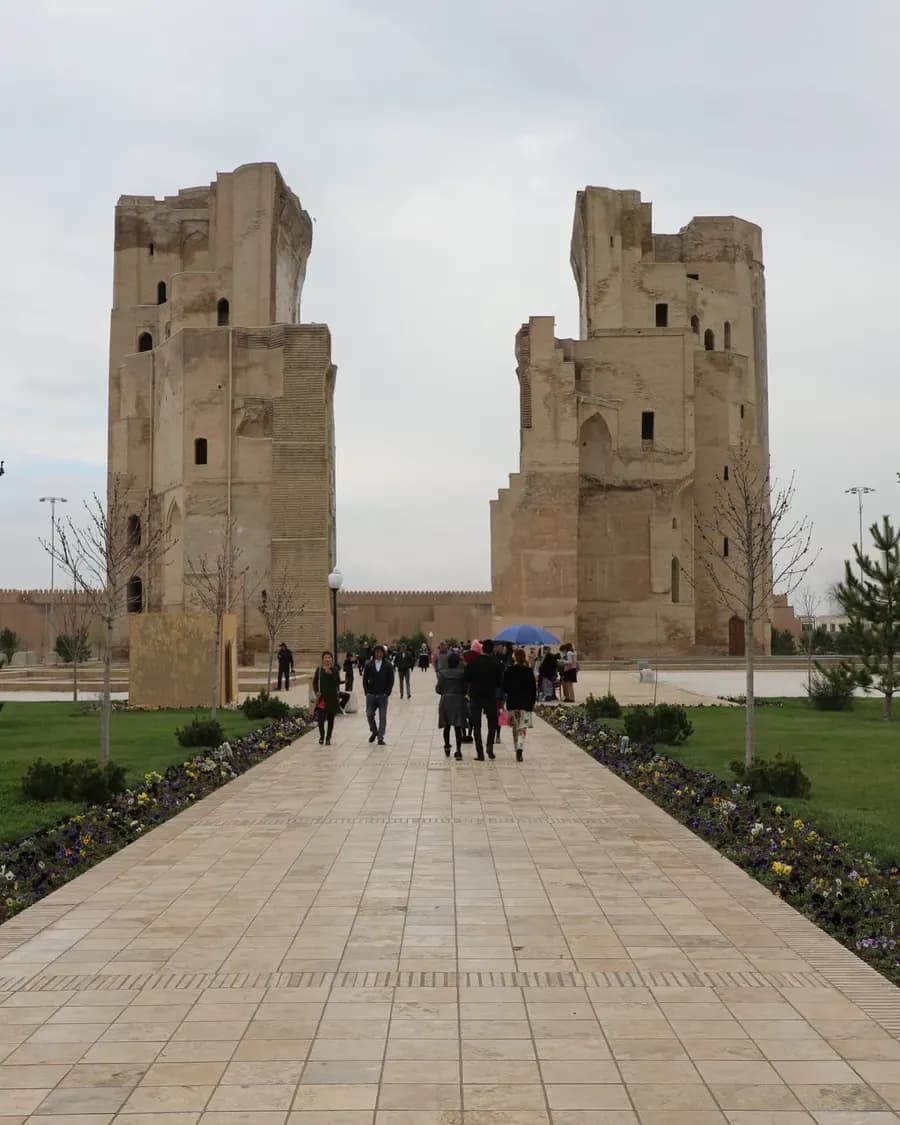
Shakhrisabz adds a southern Timurid chapter to Uzbekistan routes: Ak-Saray, Dorut Tilovat, Kok Gumbaz, Dorus-Saodat, Chorsu, museums, and roads toward Kitab and the foothills.
View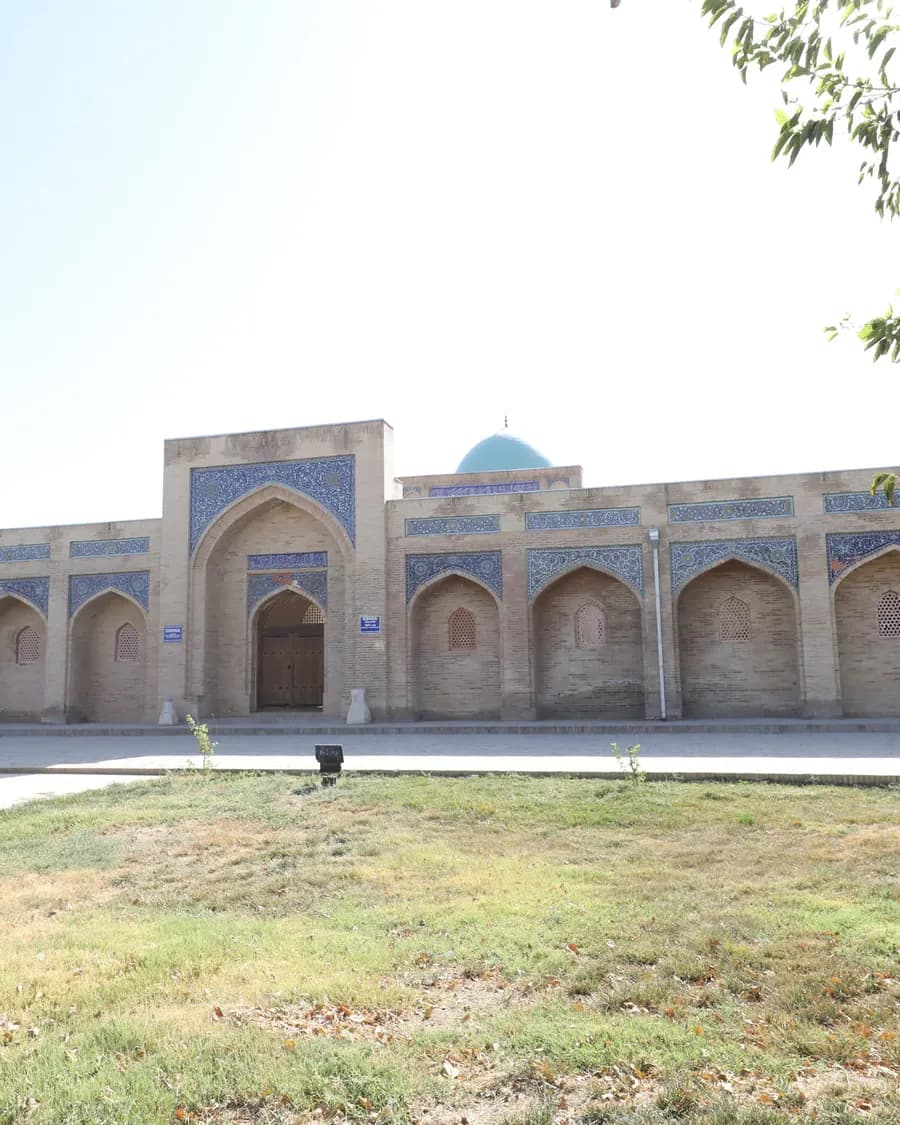
Qarshi gives Kashkadarya a working city stop after Shakhrisabz: old bridge arches, mosque courtyards, water heritage, market food, and roads toward Kitab.
ViewCity in detail
Walking time, overnight location, and when day trips make sense.
2–3 nights is usually enough when the old core or main anchors get a full walking window. City tone: “A Kitob foothill village of pilgrimage, water, and family welcome”.
Start with the compact city walk first. Day trips only after the centre has settled — otherwise the stop feels like a transfer with monuments attached.
Stay close enough for an evening return on foot or a short transfer. That keeps tea, dinner, and a second pass through the lanes easy without burning the next morning.
On request
We help agencies set a realistic pace and choose the right next move — without rushing the places that matter.