
TourLink
About
Jayrakhona sits near Tupchoq in Kitob District, where the road after Shakhrisabz and Kitob leaves heritage-city scale for smaller village routes.
Read Jayrakhona through the Kitob-side route: Shakhrisabz gives the heritage start, Kitob turns the road toward the foothills, Tupchoq helps place the village, and Jayrakhona adds one quiet rural pause.
Add Jayrakhona after Shakhrisabz or Kitob when the route needs one unhurried village pause and the road, daylight, weather, and return rhythm fit the journey.
Agencies and travellers who need Jayrakhona as a readable stop — strong places, honest pacing, and logistics that hold.
Getting around
Read Jayrakhona through the Kitob-side route: Shakhrisabz gives the heritage start, Kitob turns the road toward the foothills, Tupchoq helps place the village, and Jayrakhona adds one quiet rural pause.
Route fit
Add Jayrakhona after Shakhrisabz or Kitob when the route needs one unhurried village pause and the road, daylight, weather, and return rhythm fit the journey.
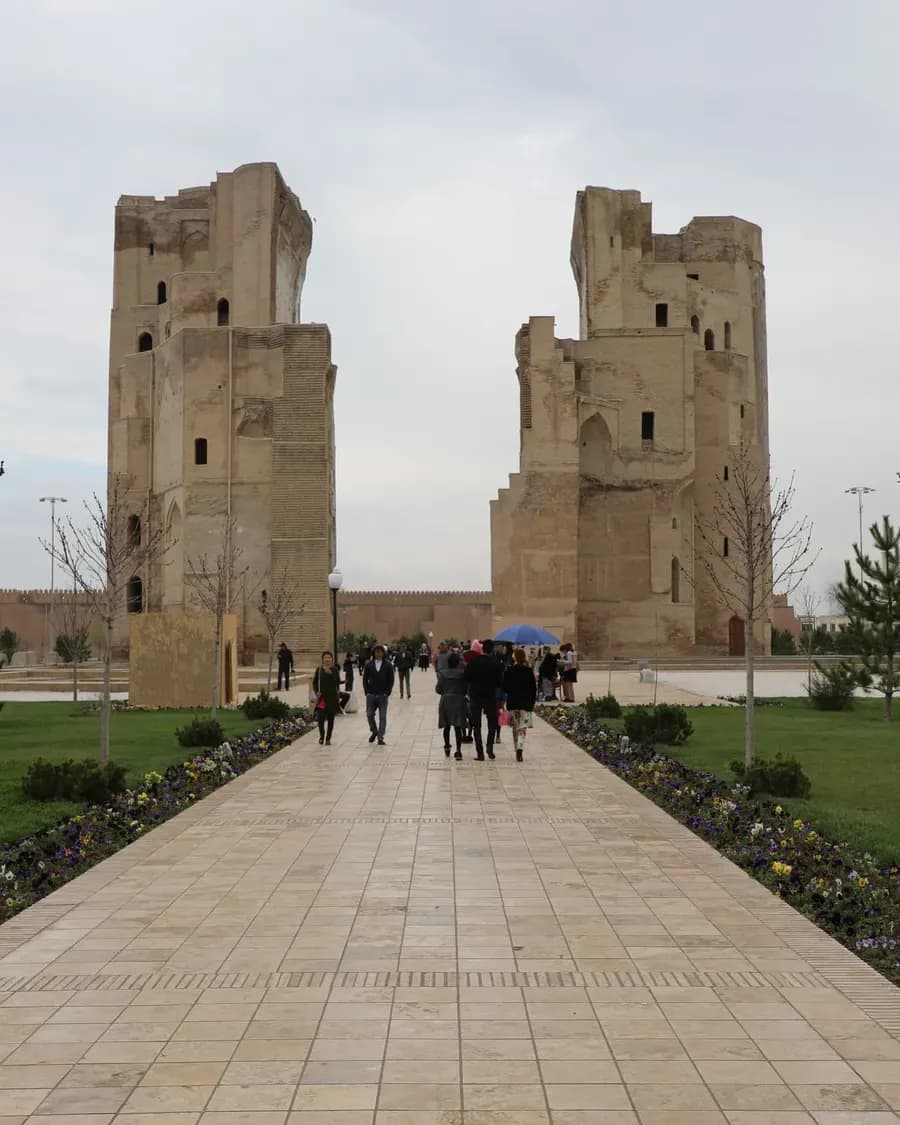
Ak-Saray and the historic centre give travelers a clear Kashkadarya reference before the road turns toward Kitob's smaller village stops.
Map context
The map marks village coordinates and nearby road context. It guides the route without turning every point into a separate sightseeing stop.
What to see
Three small anchors make Jayrakhona legible: the village setting, the approach from Kitob, and nearby Tupchoq as a road reference. Read them as context for one light rural stop.
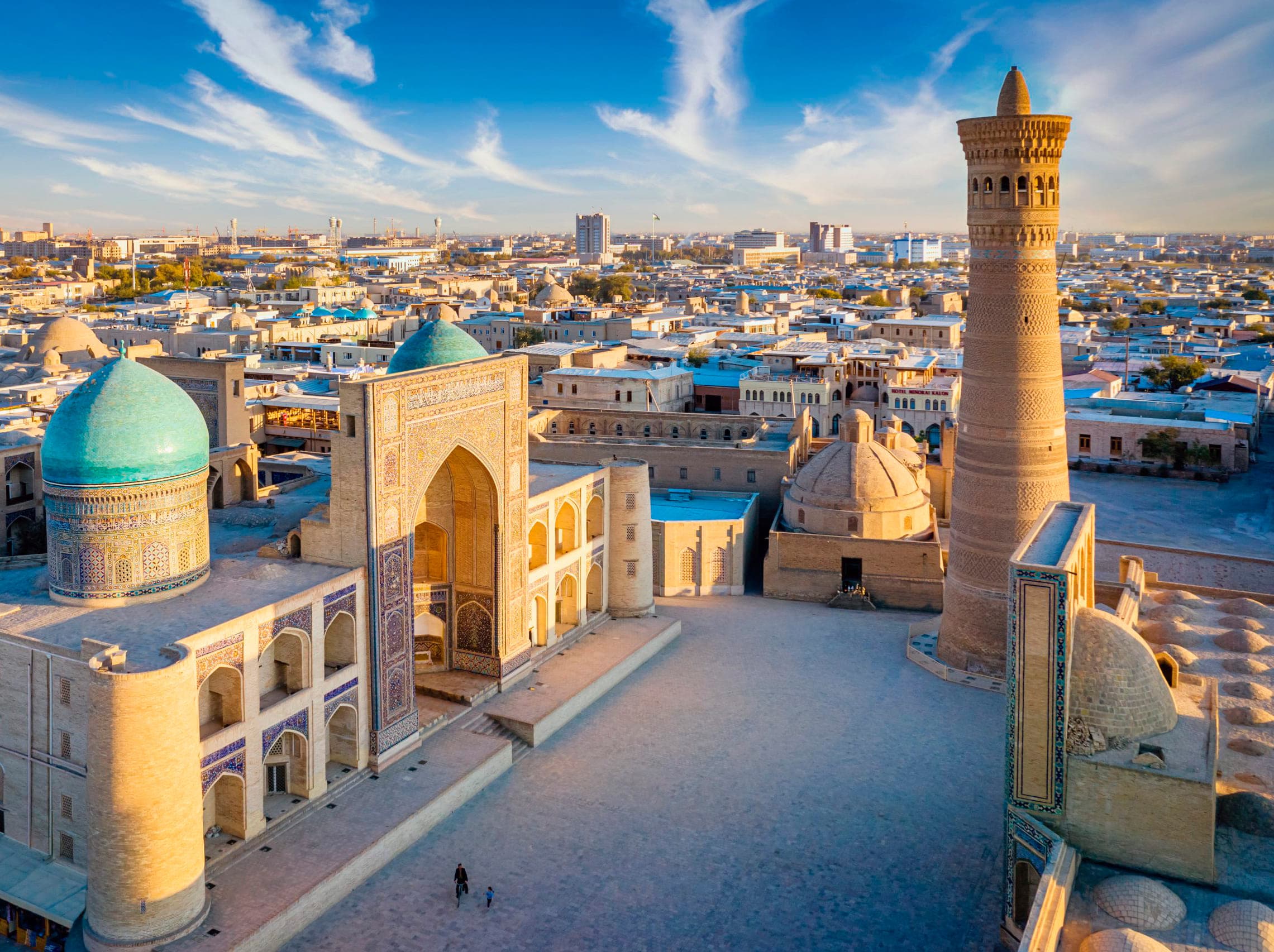
This is the core of the Jayrakhona stop. The value is not a large sight, but the way the route changes after Kitob: lower roads, village lanes, field edges, and daily life continuing at its own pace.
Open placeThis route-area page makes the approach legible. Kitob is the hinge between Shakhrisabz's heritage scale and the smaller roads that lead toward Jayrakhona, Tupchoq, fields, and the lower foothills.
Open placeTupchoq should stay contextual. It is useful because it shows how close Jayrakhona sits to another village point on the Kitob-side road, while Jayrakhona remains the main tourism-village stop.
Open placeVillage moments
Jayrakhona is strongest in small moments: arrival from Kitob, a short lane walk, field edges, tea or a simple meal when the village day allows it, and a calm return to the Kashkadarya road.
The road from Kitob shifts the route from Shakhrisabz heritage scale to smaller villages, field edges, and the first glimpse of Jayrakhona.
A short walk can be enough here: lane shadows, low walls, field edges, and the sound of daily life around the village.
When the village day allows it, tea, bread, fruit, or a simple meal turns the stop into a gentle human pause.
Tupchoq helps you read the local road pattern, keeping Jayrakhona tied to its neighbouring village context.
Field edges and softer mountain air give the stop its quiet texture before the route returns to Kitob or Shakhrisabz.
Springs, shrines, or short walks belong only when access, etiquette, location, and return rhythm are clear for the route.
Before you go
Jayrakhona should stay small in the itinerary. Its value is not a list of activities, but the shift from Shakhrisabz and Kitob into ordinary village roads, field edges, and a quieter pace.
Treat Jayrakhona as a short village pause, not a full mountain outing. The road from Kitob, daylight, vehicle comfort, shade, and return rhythm decide whether it belongs in the route.
Jayrakhona is enough as a quiet road, a few village details, and a pause that does not ask the place to perform.
A short walk, bread, fruit, tea, or a quiet exchange can be enough when the visit feels welcome and daily life continues naturally.
Springs, shrines, short walks, and nature stops belong in the route only when their location, access, etiquette, and return rhythm are clear.
Choose Jayrakhona when the Kashkadarya route should slow near Kitob, and expect a light rural stop shaped by the day rather than a fixed activity list.
Before you go Official status
Jayrakhona is in the Ministry-supplied tourism-village publication scope for Kitob District.
Main setting
Village near Tupchoq in Kitob District, on the Kashkadarya side that turns toward foothill roads.
Visit rhythm
Short rural stop, lane walk, field edges, and a light village pause when the day fits.
Before the road
Daylight, road surface, weather, etiquette, and return rhythm should be clear before leaving Kitob or Shakhrisabz.
Nearby route stops
Shakhrisabz gives the heritage start; Miraki, Qaynar, and Bashir show how the same Kashkadarya route can continue through water, fields, village life, and foothill roads.
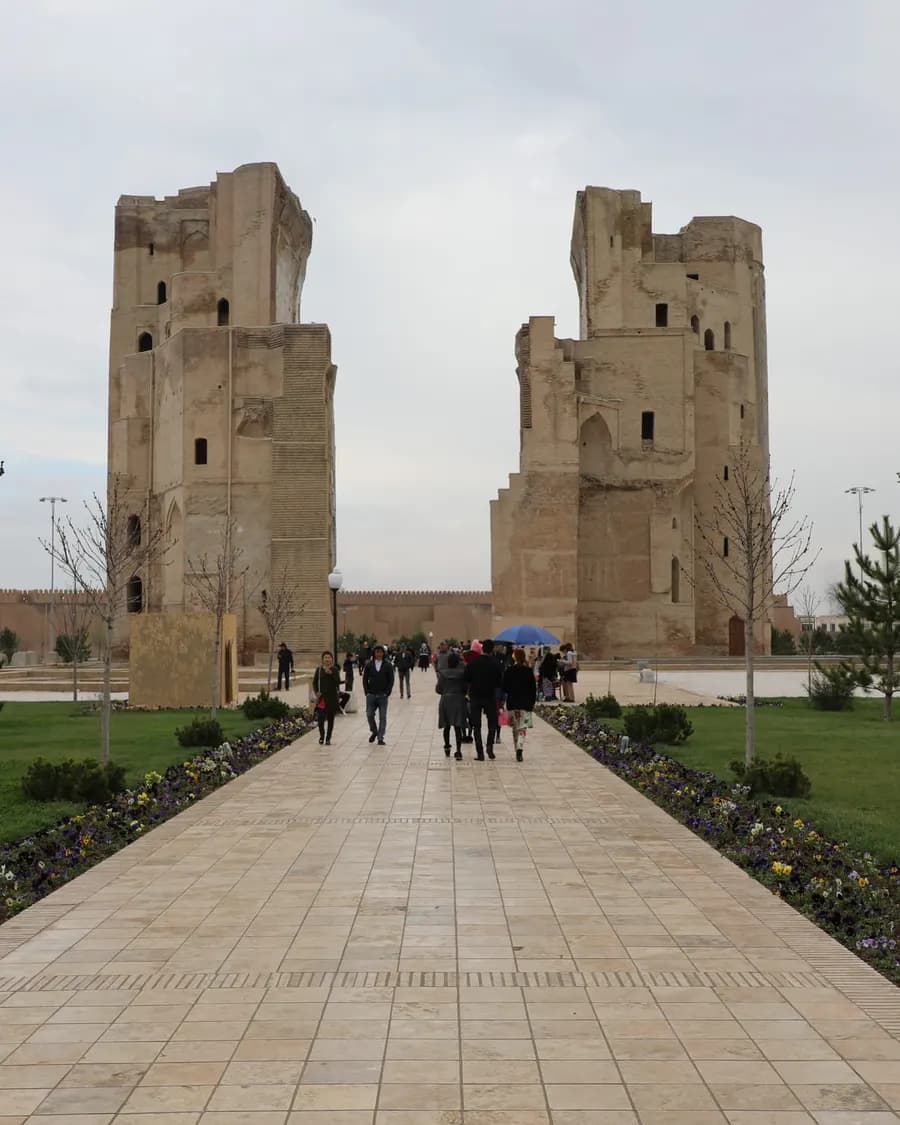
Shakhrisabz adds a southern Timurid chapter to Uzbekistan routes: Ak-Saray, Dorut Tilovat, Kok Gumbaz, Dorus-Saodat, Chorsu, museums, and roads toward Kitab and the foothills.
ViewMiraki is a tourism mahalla near Shahrisabz where Aksu River air, guesthouse lanes, seasonal fields, and the Hisorak road lead Kashkadarya into the foothills.
ViewBelow Taxtiqoracha Pass, Qaynar gives the Kitob foothill road a quiet village stop with spring water, short walks, local food, and time to slow after Shakhrisabz.
ViewHazrat Bashir is a Kitob District tourism village where a pilgrimage place, Qashqadaryo water, Qorabuloq shade, and family welcome slow the Shakhrisabz-side route.
ViewCity in detail
Walking time, overnight location, and when day trips make sense.
one focused city day plus overnight is usually enough when the old core or main anchors get a full walking window. City tone: “A quiet Kitob-side tourism village near Tupchoq and the foothill road”.
Start with the compact city walk first. Day trips only after the centre has settled — otherwise the stop feels like a transfer with monuments attached.
Stay close enough for an evening return on foot or a short transfer. That keeps tea, dinner, and a second pass through the lanes easy without burning the next morning.
On request
We help agencies set a realistic pace and choose the right next move — without rushing the places that matter.