
TourLink
About
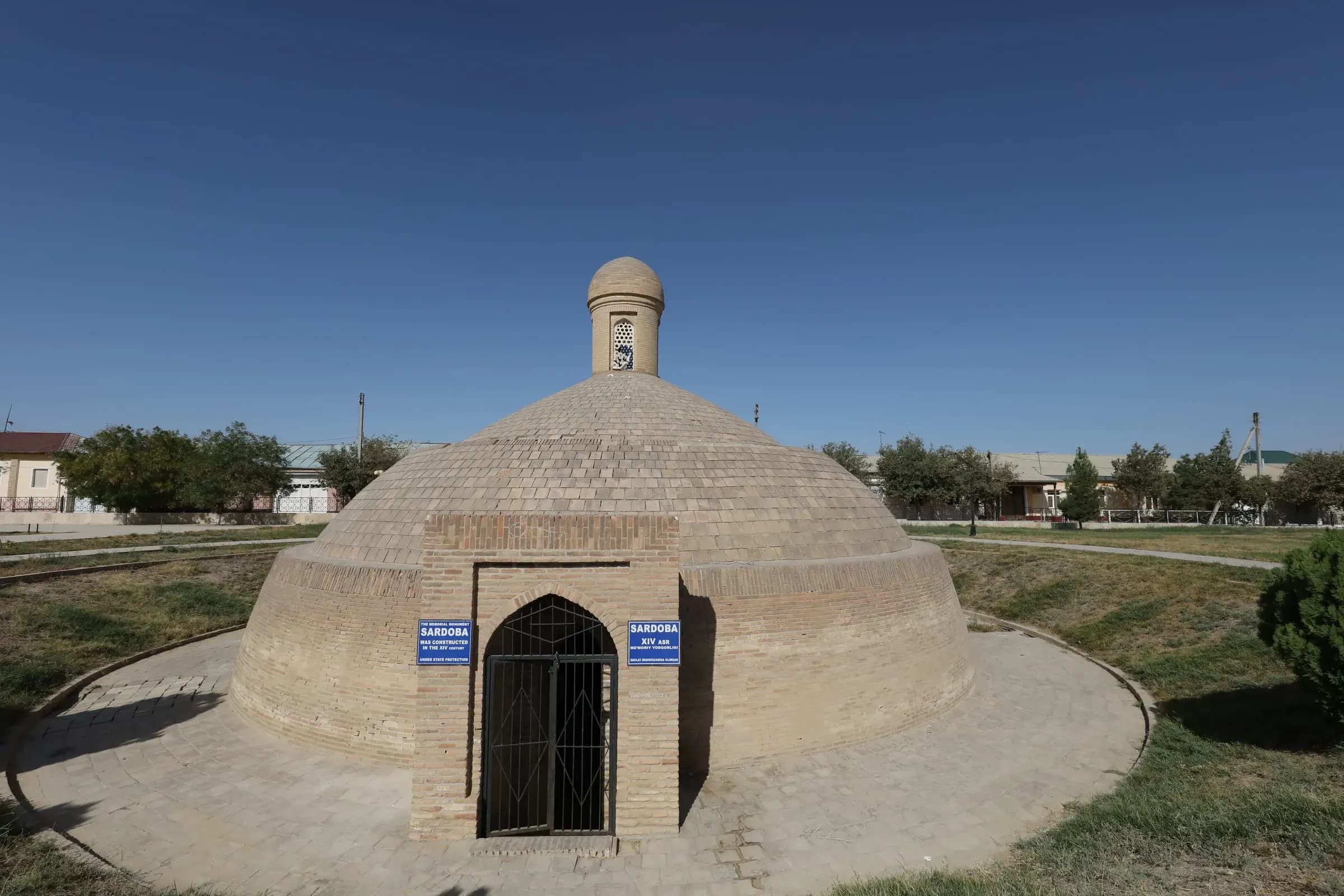
Sardoba is Qarshi's quiet water monument: a 14th-century domed reservoir built to collect rainwater in a dry city.
Sardoba matters because it changes the Qarshi visit from visible monuments to the engineering of survival in a dry climate.
Keep this stop clear on the map and in the day plan — Fourteenth-century water memory under a quiet brick dome.
Agencies and travellers who need Sardoba of Karshi as a readable stop — honest timing and a clear place on the route.
On the map
One clear point for Sardoba of Karshi — Fourteenth-century water memory under a quiet brick dome.
Place
The map pin marks this attraction so the stop stays readable in the day plan.
Why this place
Sardoba matters because it changes the Qarshi visit from visible monuments to the engineering of survival in a dry climate. The reservoir is remembered as a 14th-century water structure that collected rainwater and served the city into the early 20th century; its value is the practical intelligence of brick, shade, stored water, and sound.
What you'll see
Sardoba is not a decorative monument. Its power is in the practical form: brick surfaces, a low dome, an interior that once protected water, and the strange quiet that can hold inside such a small structure.
How to visit
Sardoba suits a short, attentive visit. It does not need long onsite time, but it does need enough quiet for the traveler to understand why water architecture mattered in Qarshi.
What to add nearby
Sardoba belongs beside Kok-Gumbaz, Odina, and Karshi Bridge: mosque dome, museum shade, river arches, then the practical question of storing water in a dry city.
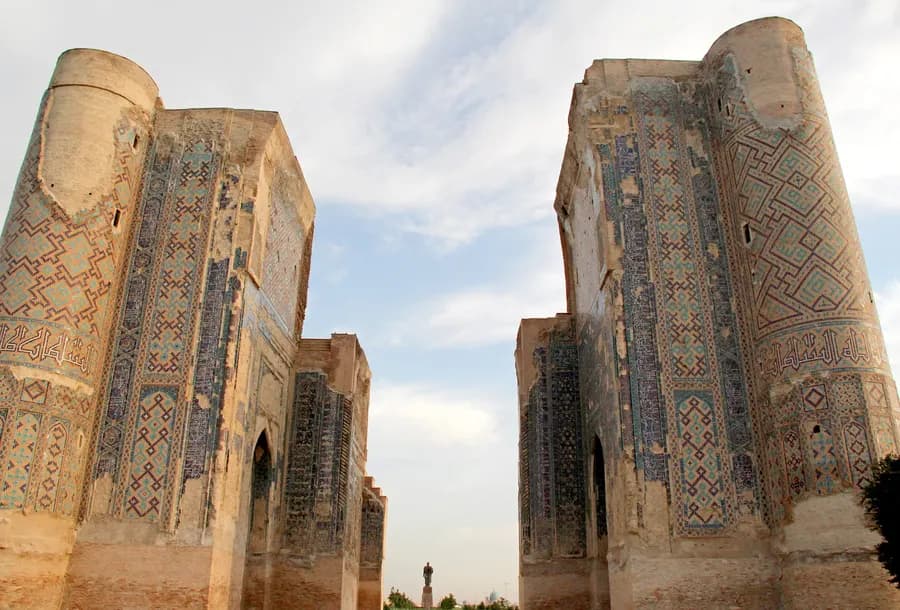
Ak-Saray Palace gives Shakhrisabz its first monument view: surviving portal walls, blue tilework, the open square, and the Timurid story that leads into Dorut Tilovat and Dorus-Saodat.
View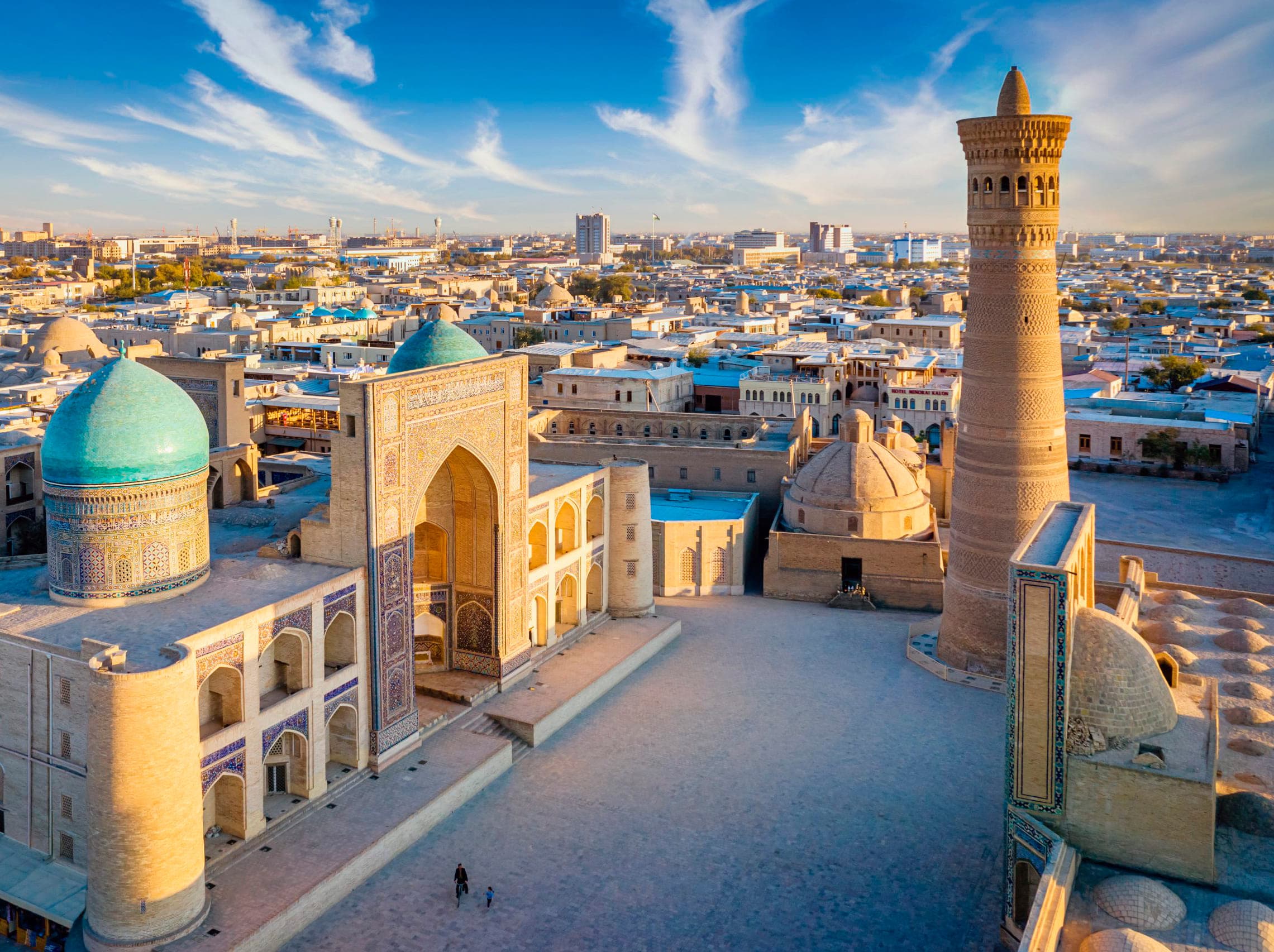
Kok-Gumbaz gives Qarshi its clearest mosque silhouette: a blue dome above the old city, Namazgoh memory, and a stop that should stay distinct from Shakhrisabz's Kok Gumbaz.
View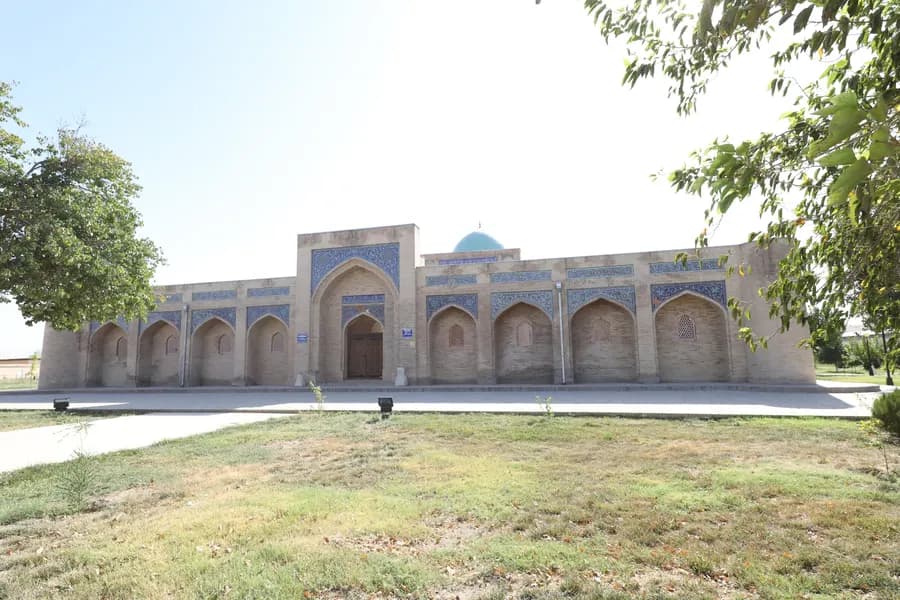
Odina Mosque and Madrasah brings Qarshi from the bridge into a quieter old-city stop: a blue dome, museum rooms, and remembered ties between worship, learning, and civic memory.
ViewKarshi Bridge gives Qarshi a clear first image: ten brick arches over the Kashkadarya River, a road still in motion, and the trade-route memory behind the city.
ViewPlace in detail
Timing, best hours, and how this stop fits neighbouring pins.
45–90 minutes is a practical range for most groups. Leave time for walls, viewpoints, and the walk between courtyards. Place tone: “Fourteenth-century water memory under a quiet brick dome”.
Prefer before the midday heat. That usually improves comfort, photos, and how the stop feels in the sequence around qarshi.
Treat it as one clear pin on the map: arrive intentionally, avoid sandwiching it between two rushed monuments, and keep the next move short enough that the group still has energy.
On request
We help agencies place this stop with realistic timing — without rushing the places that matter.