
TourLink
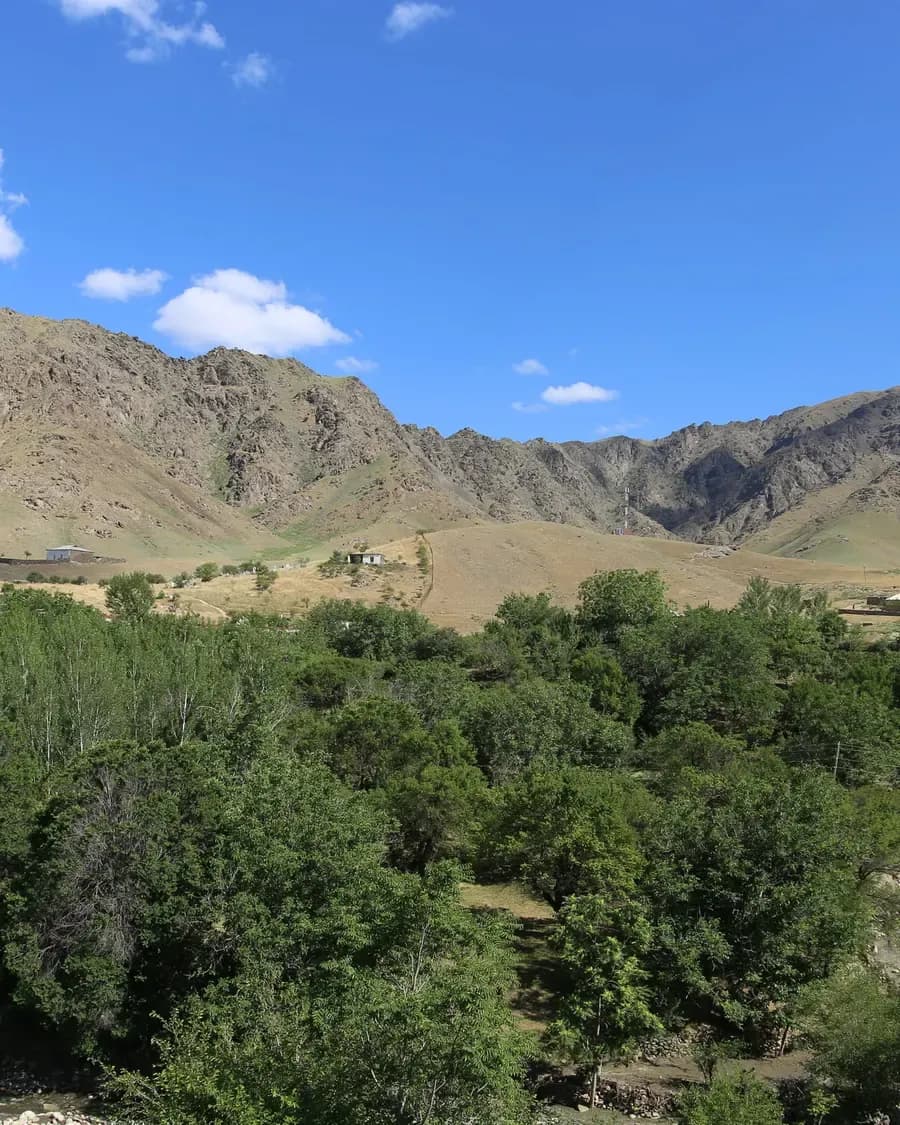
A Nuratau village of courtyard stays, old water channels, and guided petroglyph walks
About
Ukhum sits on the quieter Forish side of the Nuratau foothills.
Ukhum works best at village scale. Settle into the courtyard first, then let the walk follow water channels, petroglyph slopes, craft details, and the cooler hours of the day.
Start with the courtyard, the meal, and the village rhythm. From there, a guide can shape a short walk to water channels, petroglyph slopes, or the path toward Hayat or Asraf when the pace stays comfortable.
Agencies and travellers who need Ukhum as a readable stop — strong places, honest pacing, and logistics that hold.
Getting around
Ukhum works best at village scale. Settle into the courtyard first, then let the walk follow water channels, petroglyph slopes, craft details, and the cooler hours of the day.
How it fits
Start with the courtyard, the meal, and the village rhythm. From there, a guide can shape a short walk to water channels, petroglyph slopes, or the path toward Hayat or Asraf when the pace stays comfortable.
Courtyard time, old channels, petroglyph slopes, and short walks feel right when the route stays close enough for shade, water, and foothill paths to remain readable.
On the map
The point marks the village, not a parking place, trailhead, or guaranteed walking line.
What to see
Start with the village scale: courtyards, old water channels, rock-art slopes, craft details, and the walking line toward neighboring Nuratau villages.
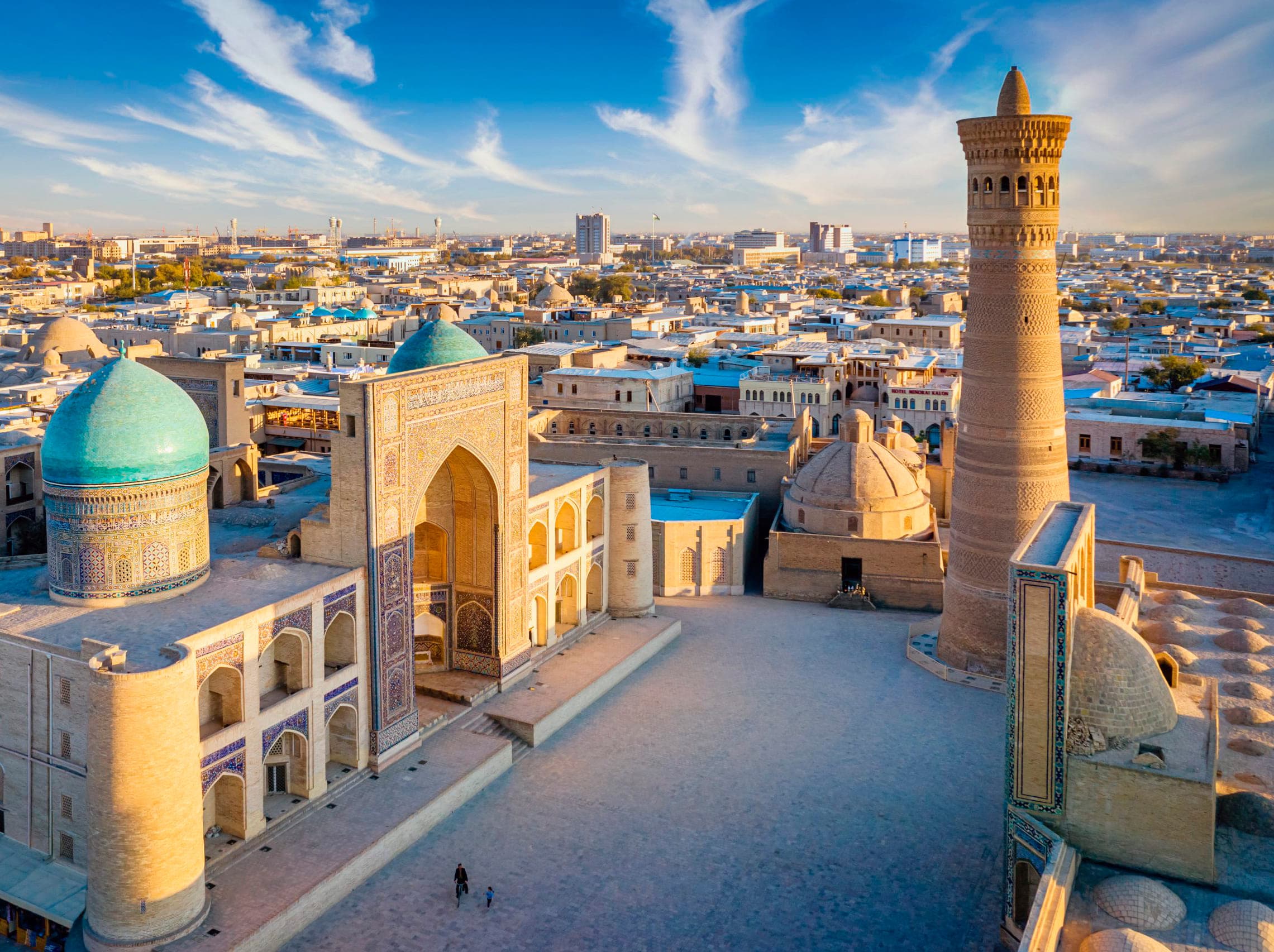
The water channels around Ukhum give the village walk its practical line. Follow them slowly and the place starts to read through water, gardens, path access, and the pace of a dry foothill settlement.
Open placeThe petroglyph slopes near Ukhum ask for more than a quick photo. The visit works when you approach slowly, keep the stone untouched, and let the older marks sit inside the wider village walk.
Open placeAbove the road and courtyards, Ukhum opens toward the Nuratau slopes. This is the place to slow down, understand the village scale, and see how water, shade, dry hills, and nearby walking routes belong together.
Open placeVillage moments
Water, stone, courtyard life, craft work, foothill views, and a locally guided path toward Hayat or Asraf keep the visit modest, human, and specific.
Long-used channels turn the walk into a village story: water, gardens, dry air, and the work that keeps Ukhum supplied.
Rock marks near the village need patient looking, guide explanation, careful footing, and a strict hands-off approach around the stone.
Tea, bread, garden shade, and home meals can carry the village visit when the courtyard, timing, and family rhythm fit the route.
When a household is comfortable showing it, spinning, carpet work, or kurpacha making can add craft detail without turning daily life into a performance.
Ukhum can join the village-to-village walking line when heat, luggage, distance, and rough ground suit the people walking.
Rocky slopes, green pockets, and dry mountain air give the village its setting; longer walks should stay guided and unhurried.
Before you go
Ukhum works at close range. Its value is daily life, water, rock marks, courtyard time, and footpaths that feel best when the visit stays unhurried.
The channels give the walk a practical center: water, gardens, slope lines, and the daily work that keeps the village alive at the dry mountain edge.
Ukhum is strongest when the route begins in the courtyard, then lets the paths explain the place.
Petroglyphs should be read with a guide and careful behavior. The stone is not a prop, and the visit is stronger when it stays patient and hands-off.
Expect simple rooms, household routines, home meals, and a village pace shaped by the season and the day already underway.
Choose Ukhum when you want a small Nuratau village stop and are comfortable letting heat, walking pace, and village rhythm shape the visit.
Before you go Where it fits
Tourism village in Forish District's Nuratau foothills, useful for village stays and guided walks.
Main draw
Courtyard stays, old water channels, petroglyph slopes, and a quieter foothill setting.
Visit shape
Best as a village stay, courtyard meal, short guided walk, or village-to-village hiking segment.
What shapes the visit
Road approach, heat, meal timing, and walking distance shape how far the visit should go.
Nearby route stops
Sentyab gives another foothill village stop; Nurata gives spring water and fortress traces; Aydarkul opens the lake and Kyzylkum road after the mountains.
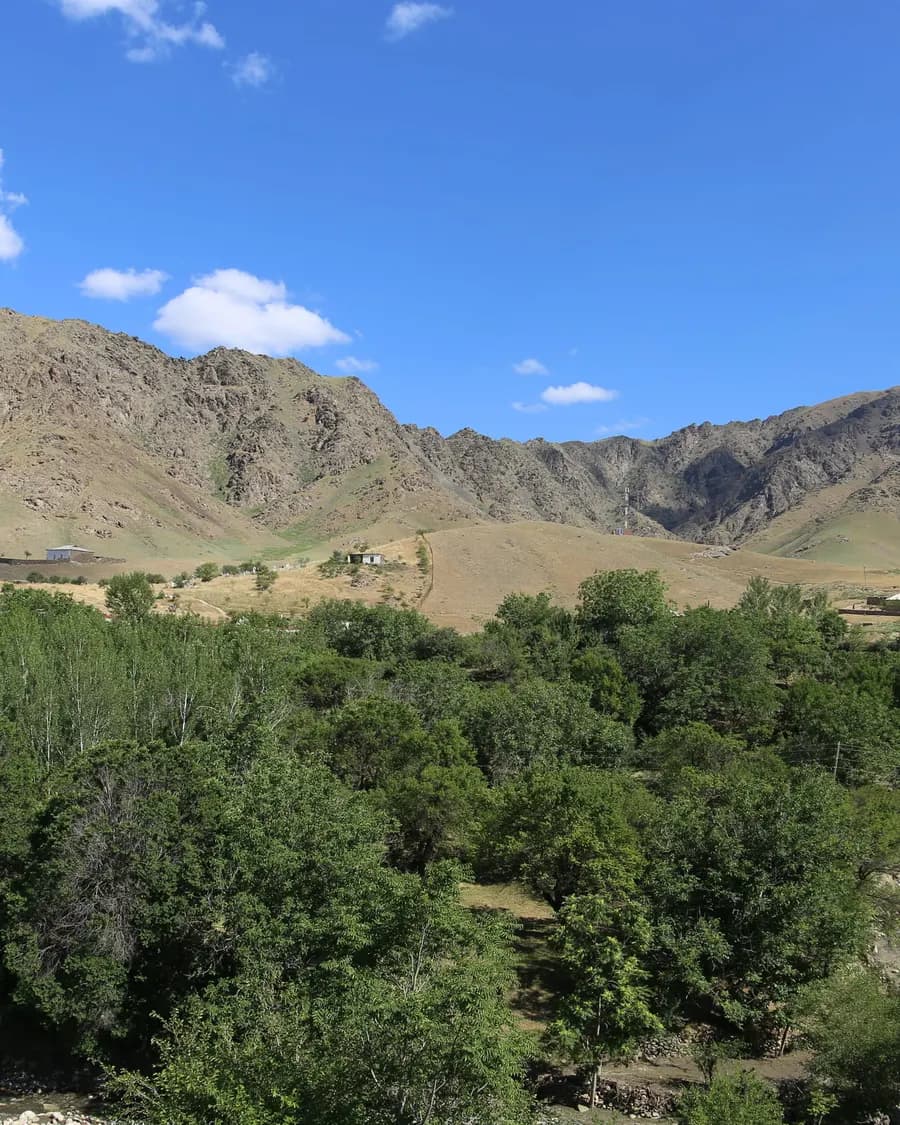
Sentob slows the Nurata-Aydarkul road at village scale: stone walls, shaded courtyards, garden produce, and Nuratau foothill views.
View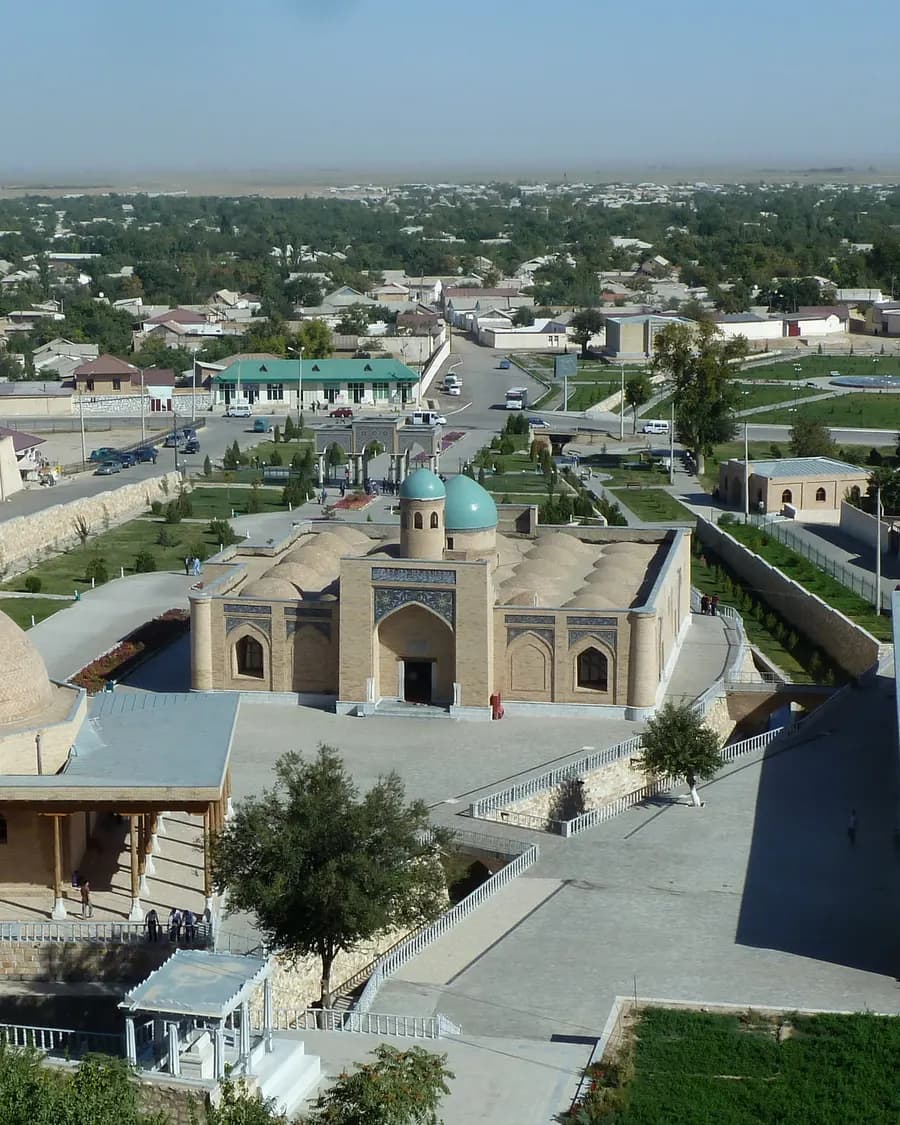
Nurata is the spring town before the Kyzylkum road: Chashma water, mosque shade, Nur Fortress above town, and the onward road to Aydarkul or Sentyab.
View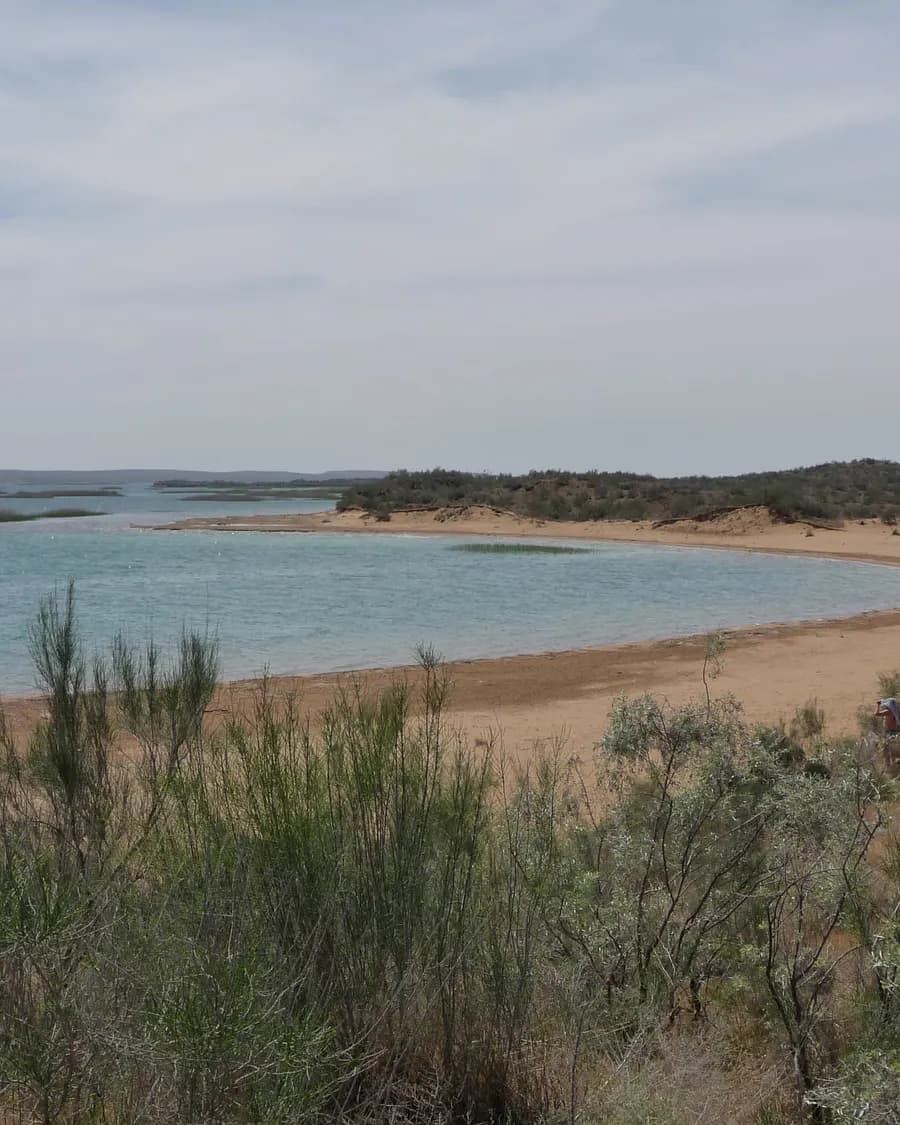
Aydarkul is the lake stop on the Kyzylkum road: open shore, reeds in the wind, soft sand, seasonal bird movement, and a route back toward Nurata or Sentyab.
ViewCity in detail
Walking time, overnight location, and when day trips make sense.
1–2 nights is usually enough when the old core or main anchors get a full walking window. City tone: “A Nuratau village of courtyard stays, old water channels, and guided petroglyph walks”.
Start with the compact city walk first. Day trips only after the centre has settled — otherwise the stop feels like a transfer with monuments attached.
Stay close enough for an evening return on foot or a short transfer. That keeps tea, dinner, and a second pass through the lanes easy without burning the next morning.
On request
We help agencies set a realistic pace and choose the right next move — without rushing the places that matter.