TourLink
About
Moynaq works best as a planned Aral Sea chapter from Nukus: a former fishing port, ship graveyard, local museum, dry ground, and the road north all need time to be understood together.
The visit works better when the road from Nukus, the ship graveyard, the museum, weather, and return timing are planned together.
Start the Moynaq plan with the drive north, museum access, weather, and the return to Nukus; the ships make more sense when the route is not reduced to one stop.
Agencies and travellers who need Moynaq as a readable stop — strong places, honest pacing, and logistics that hold.
Getting around
The visit works better when the road from Nukus, the ship graveyard, the museum, weather, and return timing are planned together.
Route planning
Start the Moynaq plan with the drive north, museum access, weather, and the return to Nukus; the ships make more sense when the route is not reduced to one stop.
The drive north from Nukus is long enough to shape the visit. Build in time for road conditions, weather, and the return before adding more western stops.
Route map
The map keeps Moynaq connected to Nukus for hotels, museums, and transport, with Ellikqala to the south when the western route turns back toward ancient Khorezm.
What to see
The first public places are the ship graveyard and the ecological museum. Together they connect the former port, the dry seabed, photographs, fishing memory, and the road from Nukus.
North of Nukus, Moynaq brings the Aral Sea story down to ground level: rusted fishing vessels, the former port, the town museum, and the long road back all shape the same visit.
Open placeMoynaq Ecological Museum turns the Aral Sea story from a distant landscape into town memory: archive photographs, fishing tools, boats, costumes, household objects, and paintings connect directly with the ship graveyard route.
Open placeAround Moynaq
These moments keep the route grounded: metal on dry ground, museum rooms, the road beyond town, and the human story behind the Aral Sea.
Inside Moynaq's museum, photographs, fishing tools, paintings, and quieter voices bring the Aral story back to families, work, and the town before the dry horizon.
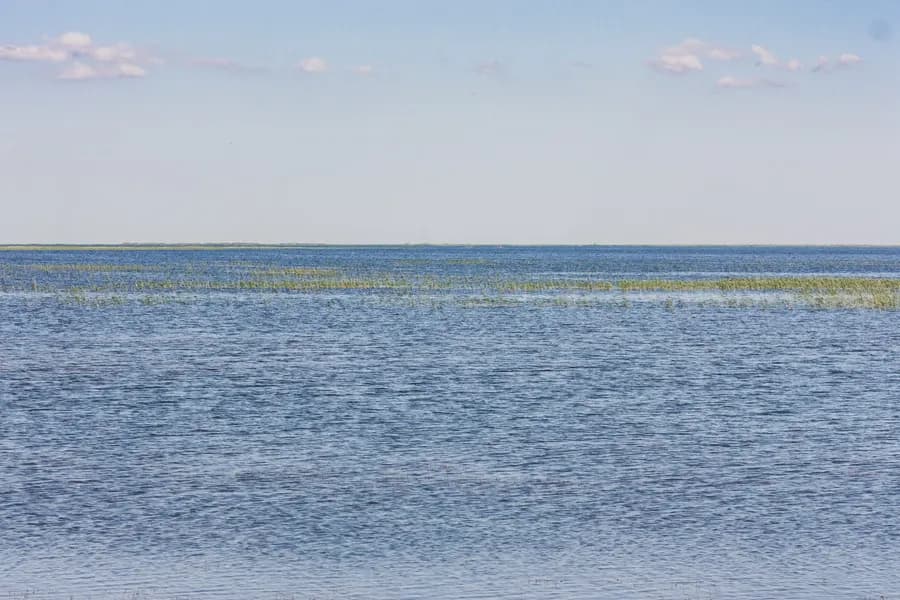
Beyond the town, the road opens to pale ground, salt in the air, and a horizon with almost no edge. The pause keeps the Aral story human instead of distant.
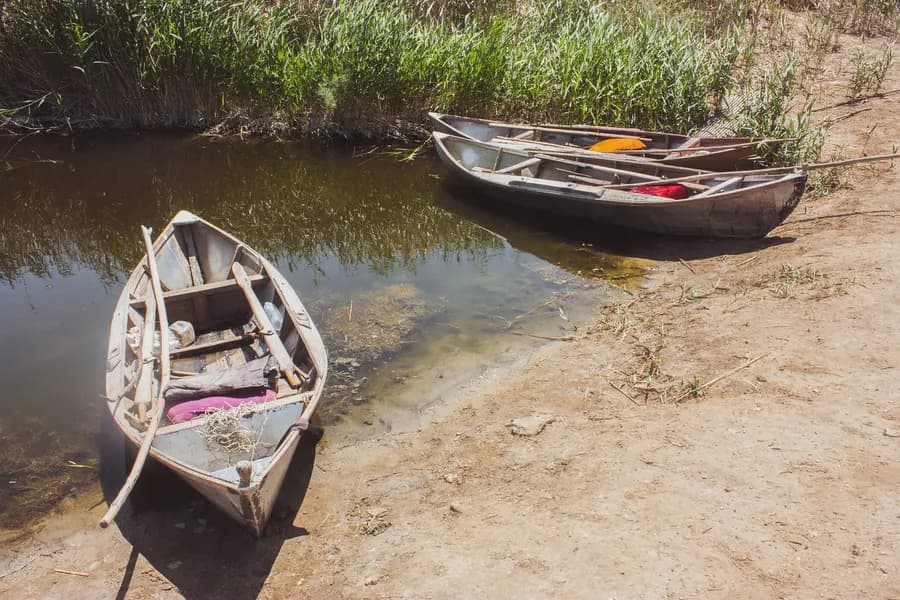
Wind moves over dry ground and old hulls, and the former seabed stops being an abstract story. Moynaq gives the Aral route its most physical silence.
Before you go
Moynaq asks for a more careful route than a quick stop after Nukus. The drive, weather, ship graveyard, museum, and former port history all need to be planned as one visit.
Plan the drive as part of the visit. Road timing, weather, and the return to Nukus matter before adding more stops.
Moynaq is strongest when the ships are part of the town’s story, not the whole story.
The ships make more sense with context: former port life, fishing work, the changed sea, and the museum story around them.
The museum and town context keep the visit connected to people, work, and family life before the sea withdrew.
Plan Moynaq with enough time for the road, museum, ship graveyard, weather, and return to Nukus. Keep longer Aral and Ustyurt routes separate until access and conditions are confirmed.
Before you go Route position
Northern Karakalpakstan town normally planned from Nukus.
Main focus
Ship graveyard, former fishing port memory, and ecological museum.
Weather
Wind, heat, cold, and dust can affect road timing and comfort.
Route role
Aral Sea context before returning to Nukus or continuing toward Ellikqala, Khiva, or a reviewed Aral and Ustyurt route.
Route connections
Nukus gives the route hotels, museums, and transport. Ellikqala turns the western plan toward ancient Khorezm and clay fortresses when the route continues south.
Start in Nukus with the Savitsky Museum, then connect Karakalpak culture with Moynaq, Mizdakhan, Chilpyk, and the desert fortress road.
View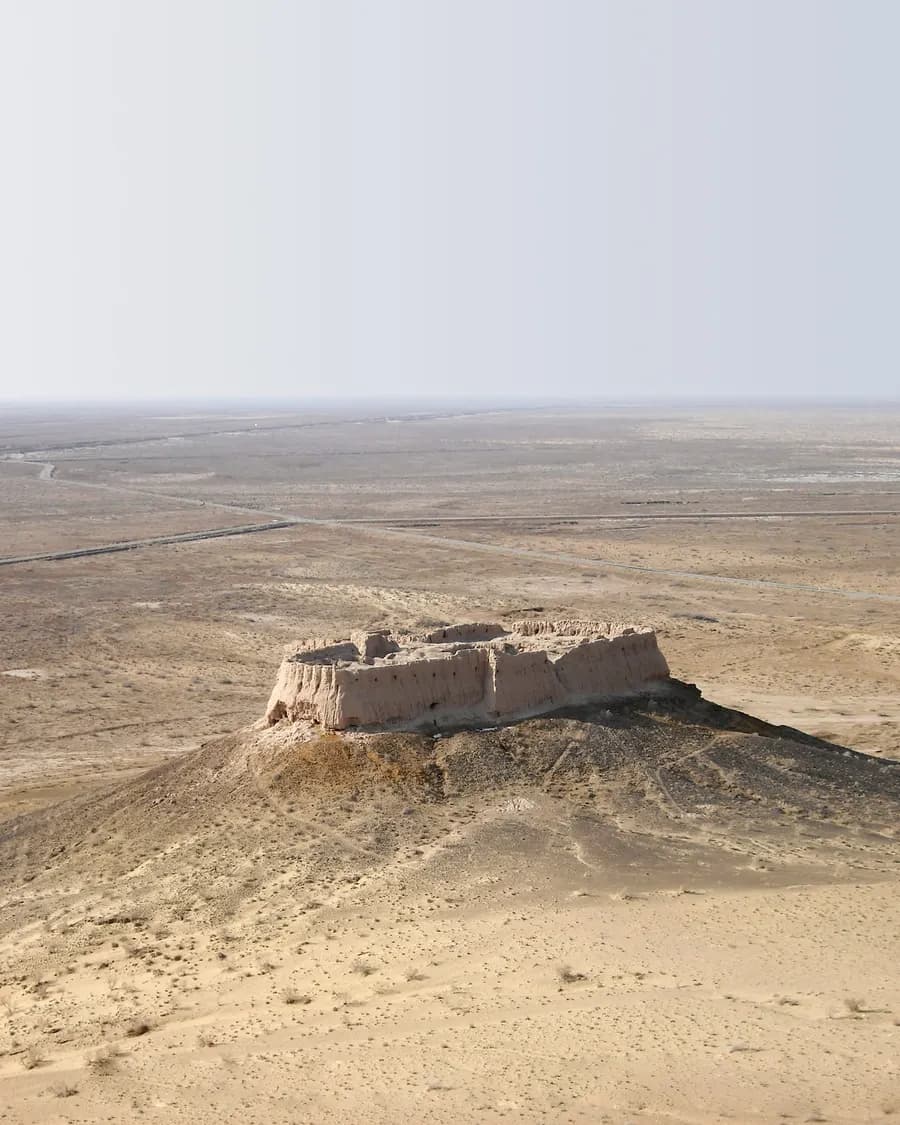
Ellikqala brings the Karakalpakstan route to the desert fortresses of Ancient Khorezm: Toprak-Kala, Kyzyl-Kala, Ayaz-Kala, open roads, access checks, and the link between Nukus and Khiva.
ViewCity in detail
Walking time, overnight location, and when day trips make sense.
one focused city day plus overnight is usually enough when the old core or main anchors get a full walking window. City tone: “Former port, ship graveyard, and the road from Nukus”.
Start with the compact city walk first. Day trips only after the centre has settled — otherwise the stop feels like a transfer with monuments attached.
Stay close enough for an evening return on foot or a short transfer. That keeps tea, dinner, and a second pass through the lanes easy without burning the next morning.
On request
We help agencies set a realistic pace and choose the right next move — without rushing the places that matter.