
TourLink
About
G‘elon sits high above Hisorak, where the Shakhrisabz road climbs into sharper air, orchard slopes, and pakhsa clay lanes.
The route begins with Shakhrisabz, reaches the mountain approach at Hisorak, and then climbs toward G‘elon. The ascent already tells you how to move here: daylight, weather, vehicle comfort, and border-area context shape the rhythm before the first walk begins.
G‘elon belongs after the Timurid scale of Shakhrisabz. Hisorak marks the turn into the mountains; beyond it, the road, orchards, water, and pakhsa houses make the visit feel smaller, cooler, and more local.
Agencies and travellers who need G‘elon as a readable stop — strong places, honest pacing, and logistics that hold.
Getting around
The route begins with Shakhrisabz, reaches the mountain approach at Hisorak, and then climbs toward G‘elon. The ascent already tells you how to move here: daylight, weather, vehicle comfort, and border-area context shape the rhythm before the first walk begins.
How it fits
G‘elon belongs after the Timurid scale of Shakhrisabz. Hisorak marks the turn into the mountains; beyond it, the road, orchards, water, and pakhsa houses make the visit feel smaller, cooler, and more local.
Ak-Saray and the historic centre give the route its first clear chapter before the road turns toward the mountains.
On the map
The marker shows the village area and the climb above Hisorak. It orients the route, not a private address, exact starting point, or access promise.
What to see
G‘elon is not a one-monument stop. Its character comes from the climb above Hisorak, pakhsa lanes, orchards, water, craft rooms, and household-scale welcome.
Come for the high village, not only the view. The road, houses, fields, water, and household work belong together, so the landscape reads as daily life rather than scenery alone.
Open placeThe approach is not background. It is the threshold where the Shakhrisabz route leaves heritage monuments and rises toward high village life.
Open placeThis is the household side of G‘elon: gardens, livestock, woodcarving, painting rooms, the old stone mill, tea, and rooms offered by local families in season. The experience should stay small, personal, and close to daily life.
Open placeVillage moments
Keep the visit close to the village: the mountain arrival, a lane walk, orchard food, a craft room, water by the old mill, and the road rhythm above Hisorak.
The road climbs from reservoir air into slopes, roofs, orchards, and colder light, so G‘elon begins before you step out of the car.
A short village walk follows clay walls, narrow turns, water sounds, and rooflines, with the pace kept quiet enough for daily life to continue around you.
Apples, cherries, raspberries, pears, walnuts, tea, and simple mountain food make the village feel close when the table follows the season.
Woodcarving, painting, and home-museum corners feel strongest when they stay personal: one room, one family story, and time to look closely.
The old stone mill and village water give G‘elon a working sound, the kind of detail that turns a mountain stop into a lived place.
The climb itself is part of the experience: daylight, bends, weather, and border-area context shape how far and how calmly the route should go.
Before you go
G‘elon feels strongest when the route gives the climb and the village enough quiet. The point is not to collect services, but to understand how a high settlement above Hisorak lives with water, gardens, craft, family tables, and weather.
First impressions begin before the village. Beyond Shakhrisabz and Hisorak, the road rises into clearer air, open slopes, and long views. Daylight, weather, and vehicle comfort matter because the approach is part of the visit, not just transit.
The climb gives G‘elon its distance; the village gives it its warmth.
Inside G‘elon, the memorable details are deliberately small: pakhsa walls, narrow lanes, gardens, livestock, potatoes, fruit, walnuts, a school, a mosque, a chaikhana, and the work of mountain households. A short walk stays close to daily life instead of turning the village into a show.
Woodcarving, painting rooms, home-museum corners, the old stone mill, tea, and seasonal family stays give the village its human voice. They belong in the route when the visit remains modest and respectful of household rhythm.
Choose G‘elon when you want the Shakhrisabz route to rise into a real high-mountain village, with enough time for the road, a short walk, water, orchards, and a quiet table.
At a glance Official status
Recognized tourism village in Shahrisabz District.
Main setting
High village above Hisorak in the Gissar and Pamir-Alay mountain context.
Visit shape
Mountain road, pakhsa lanes, orchards, water, craft rooms, old mill, and family-table hospitality.
Season and pace
Daylight, weather, vehicle comfort, and a small-group pace make the visit feel natural.
Nearby route stops
Shakhrisabz is the heritage return point; Bashir and Qaynar add other village-scale choices in the region, and Qarshi keeps longer Kashkadarya routes connected.
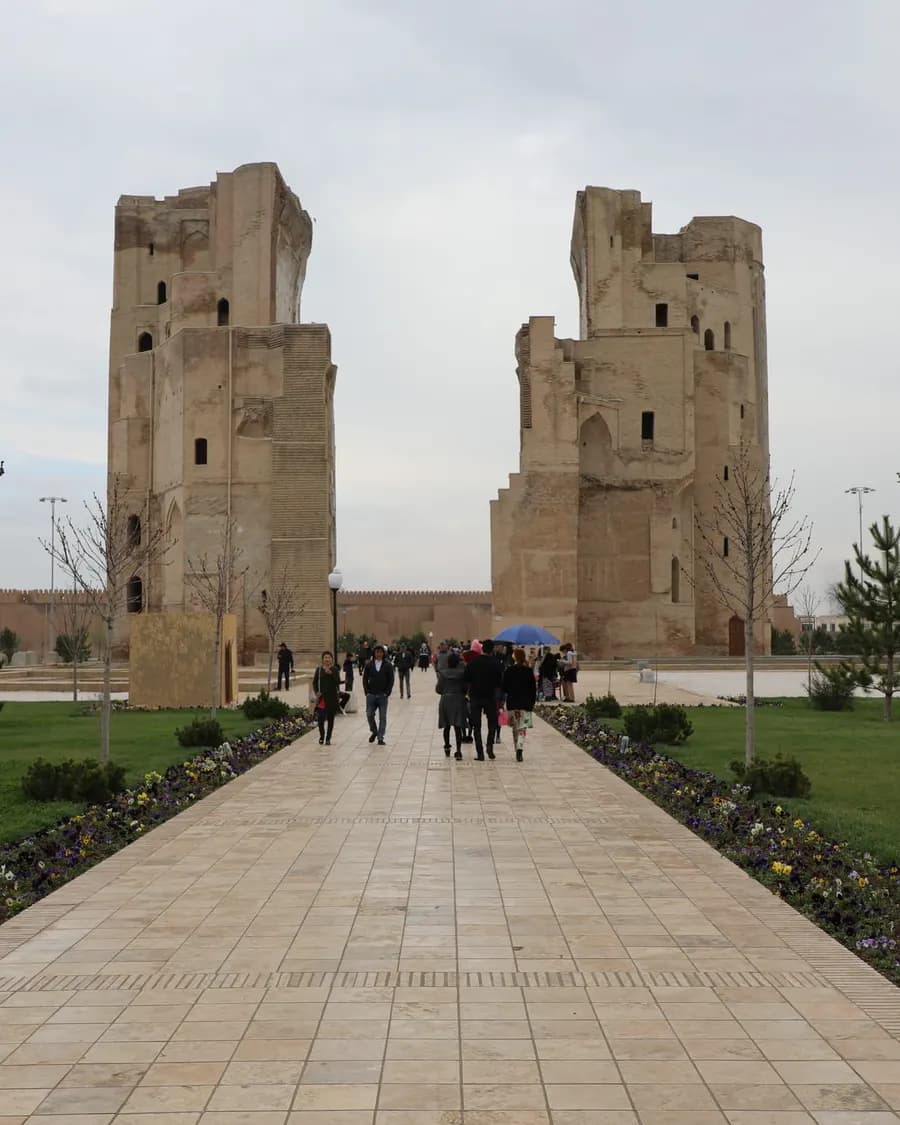
Shakhrisabz adds a southern Timurid chapter to Uzbekistan routes: Ak-Saray, Dorut Tilovat, Kok Gumbaz, Dorus-Saodat, Chorsu, museums, and roads toward Kitab and the foothills.
ViewHazrat Bashir is a Kitob District tourism village where a pilgrimage place, Qashqadaryo water, Qorabuloq shade, and family welcome slow the Shakhrisabz-side route.
ViewBelow Taxtiqoracha Pass, Qaynar gives the Kitob foothill road a quiet village stop with spring water, short walks, local food, and time to slow after Shakhrisabz.
View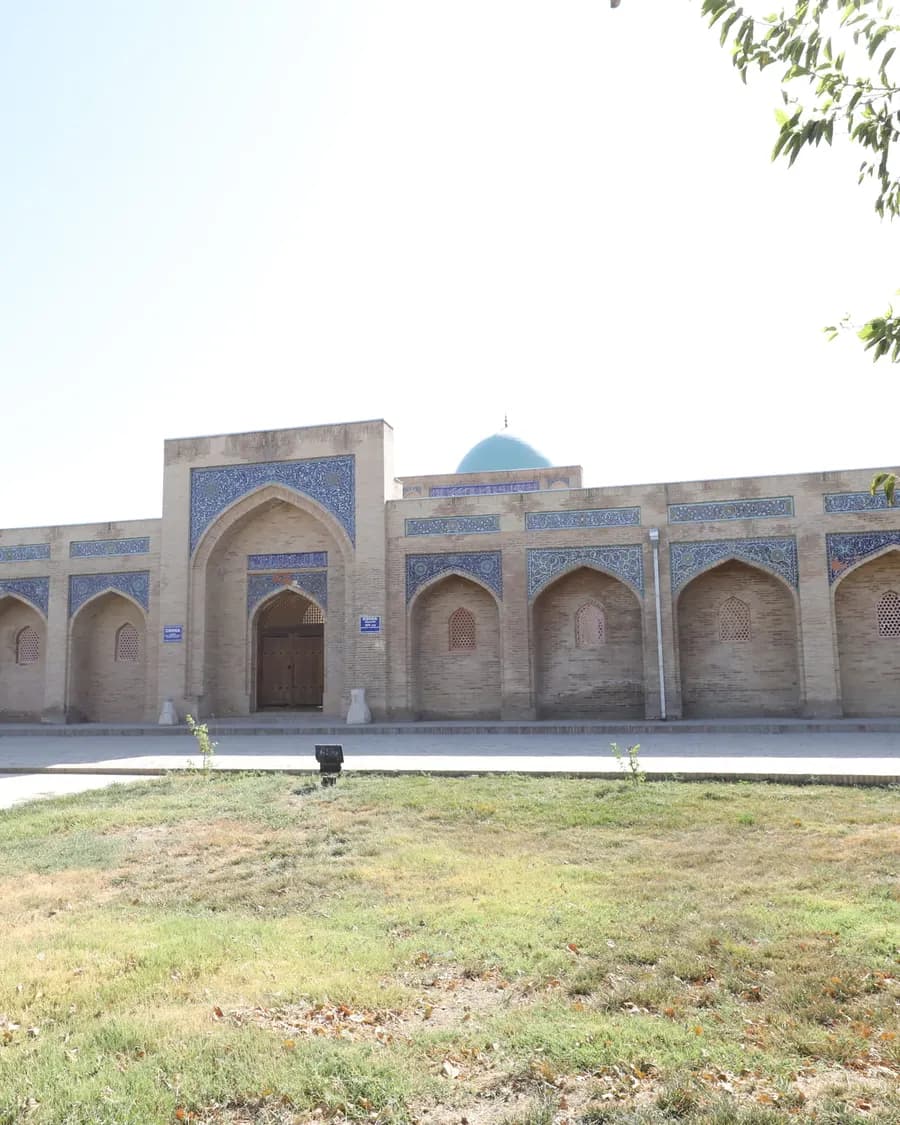
Qarshi gives Kashkadarya a working city stop after Shakhrisabz: old bridge arches, mosque courtyards, water heritage, market food, and roads toward Kitab.
ViewCity in detail
Walking time, overnight location, and when day trips make sense.
1–2 nights is usually enough when the old core or main anchors get a full walking window. City tone: “A high mountain village of pakhsa lanes, water, and orchards above Hisorak”.
Start with the compact city walk first. Day trips only after the centre has settled — otherwise the stop feels like a transfer with monuments attached.
Stay close enough for an evening return on foot or a short transfer. That keeps tea, dinner, and a second pass through the lanes easy without burning the next morning.
On request
We help agencies set a realistic pace and choose the right next move — without rushing the places that matter.