
TourLink
About
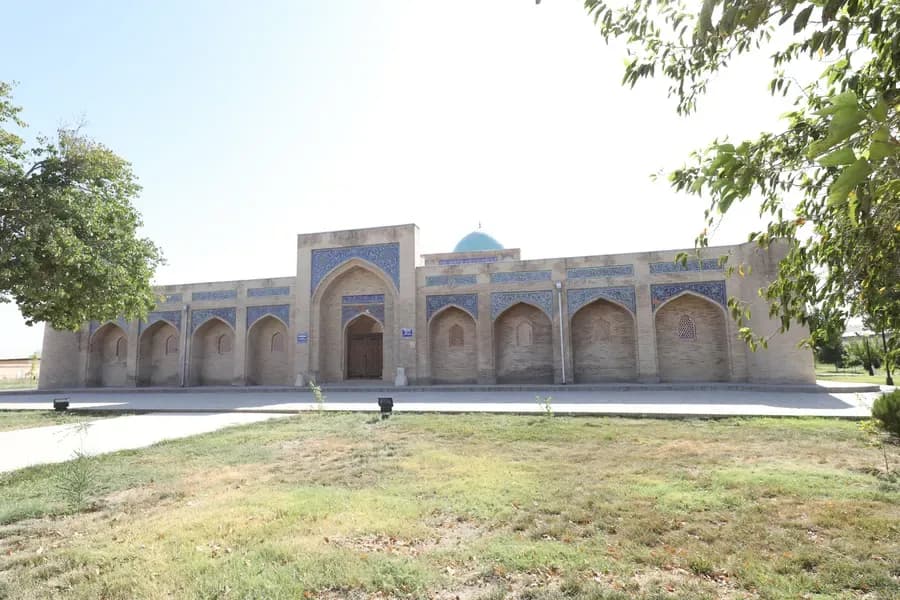
Kilichboy Madrasah brings Qarshi's old madrasah cluster down to a quieter scale.
Kilichboy matters because it adds a study-building scale to Qarshi's old core.
Keep this stop clear on the map and in the day plan — 1914 brickwork, study rooms, and a quieter Qarshi stop.
Agencies and travellers who need Kilichboy Madrasah as a readable stop — honest timing and a clear place on the route.
On the map
One clear point for Kilichboy Madrasah — 1914 brickwork, study rooms, and a quieter Qarshi stop.
Place
The map pin marks this attraction so the stop stays readable in the day plan.
Why this place
Kilichboy matters because it adds a study-building scale to Qarshi's old core. After the bridge, domes, Sardoba, and larger memorial spaces, the route narrows to brickwork, former classrooms, courtyard proportion, and a practical water system.
What you'll see
Look for three confirmed details: the burnt-brick walls, the former study rooms, and the drainage detail inside the courtyard.
How to visit
Kilichboy is easiest to understand as one compact part of the old Qarshi walk. Give it enough time for brickwork, room layout, courtyard proportion, and museum access if the rooms are open.
What to add nearby
With Odina, Sardoba, Kok-Gumbaz, and Karshi Bridge, Kilichboy gives the central walk mosque shade, water engineering, a blue dome, a brick bridge, and a smaller madrasah pause.
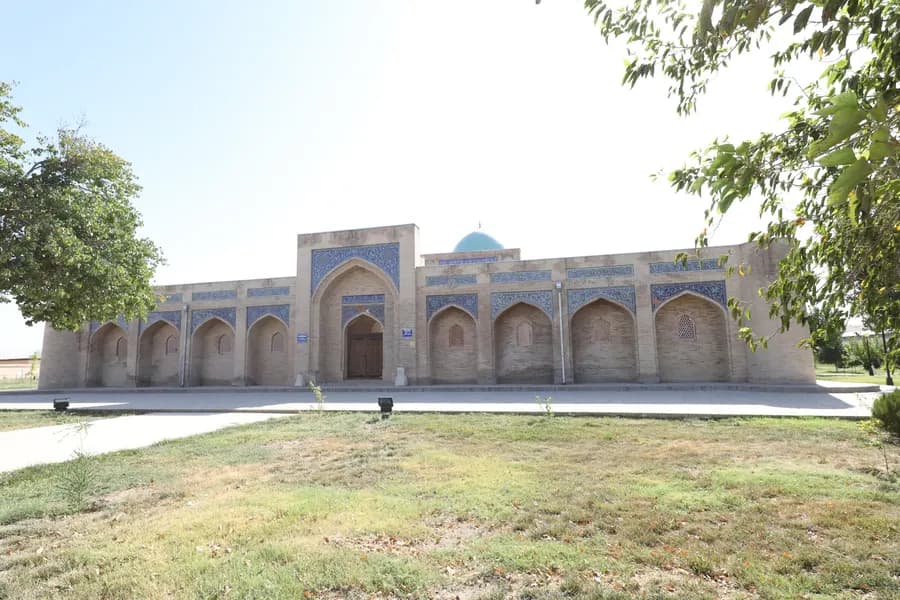
Odina Mosque and Madrasah brings Qarshi from the bridge into a quieter old-city stop: a blue dome, museum rooms, and remembered ties between worship, learning, and civic memory.
View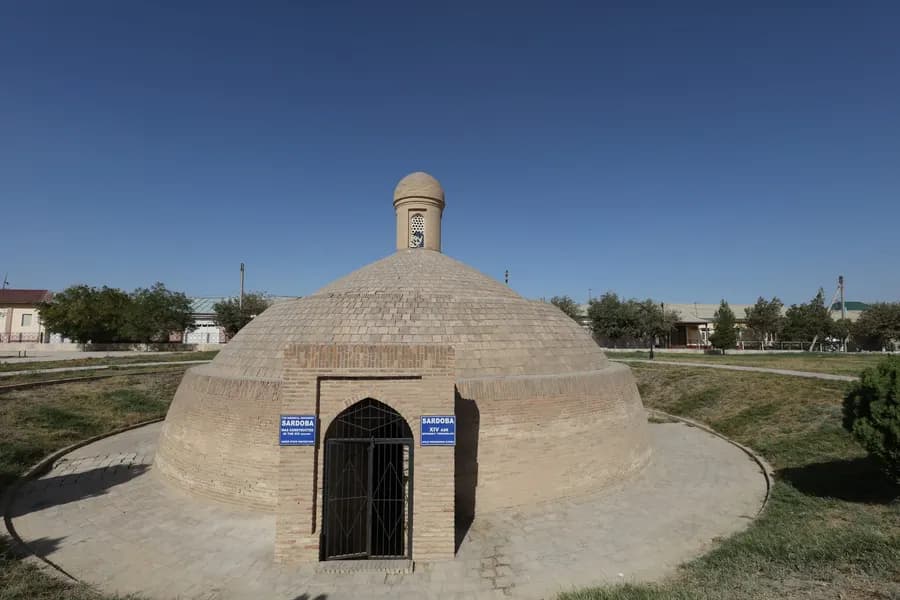
Sardoba gives Qarshi a water-architecture stop: a 14th-century domed reservoir built for a dry city, where rainwater, shade, and cooler air once mattered to travelers and daily life.
View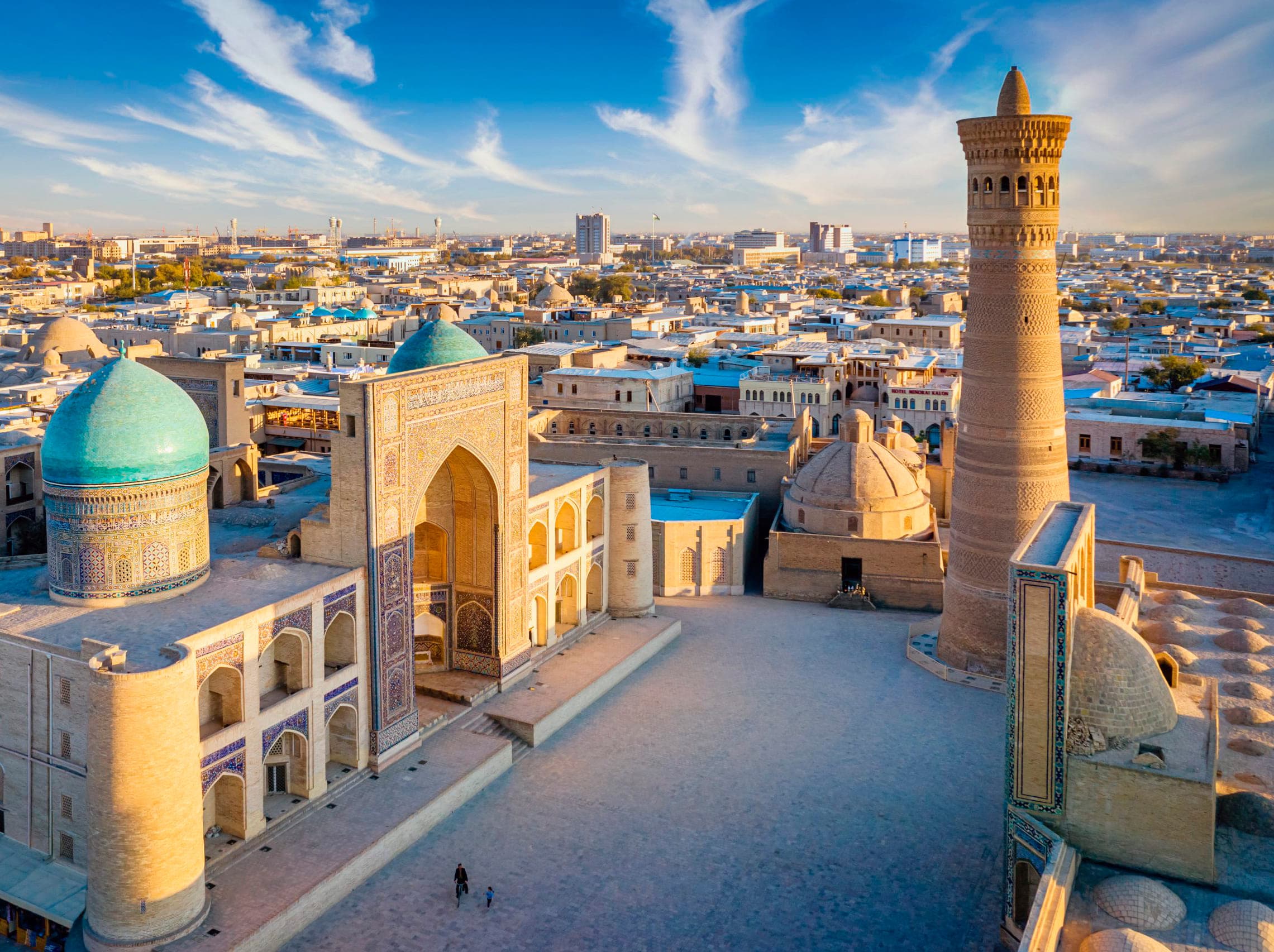
Kok-Gumbaz gives Qarshi its clearest mosque silhouette: a blue dome above the old city, Namazgoh memory, and a stop that should stay distinct from Shakhrisabz's Kok Gumbaz.
ViewKarshi Bridge gives Qarshi a clear first image: ten brick arches over the Kashkadarya River, a road still in motion, and the trade-route memory behind the city.
ViewPlace in detail
Timing, best hours, and how this stop fits neighbouring pins.
1–2 hours is a practical range for most groups. Keep the stop readable: one clear arrival, one clear exit. Place tone: “1914 brickwork, study rooms, and a quieter Qarshi stop”.
Prefer when the light is soft and queues are lighter. That usually improves comfort, photos, and how the stop feels in the sequence around qarshi.
Treat it as one clear pin on the map: arrive intentionally, avoid sandwiching it between two rushed monuments, and keep the next move short enough that the group still has energy.
On request
We help agencies place this stop with realistic timing — without rushing the places that matter.