
TourLink
About
Northwest of Qarshi, Yerkurgan / Erkurgan opens a deeper chapter of Kashkadarya: ancient Nakhshab, earthen walls, settlement traces, craft quarters, and temple or memorial structures known through archaeology.
Qarshi's visible city walk is compact and architectural.
Keep this stop clear on the map and in the day plan — Ancient Nakhshab beyond modern Qarshi.
Agencies and travellers who need Yerkurgan / Erkurgan Ancient Settlement as a readable stop — honest timing and a clear place on the route.
On the map
One clear point for Yerkurgan / Erkurgan Ancient Settlement — Ancient Nakhshab beyond modern Qarshi.
Place
The map pin marks this attraction so the stop stays readable in the day plan.
Why this place
Qarshi's visible city walk is compact and architectural. Yerkurgan changes the scale. It moves the route from bridge, dome, water, and madrasah to the earlier urban world of Nakhshab, where walls, settlement planning, craft life, and ritual spaces shaped the region before the modern city took form. «Yerkurgan makes Qarshi feel less like a single city walk and more like the visible edge of ancient Nakhshab.»
What you'll see
The site should be read through physical traces and explanation, not through a restored facade. Same-place media is still pending, so image slots remain unassigned until a truthful Yerkurgan set is approved.
How to visit
Yerkurgan works when the route gives it a purpose: ancient Nakhshab, Qarshi's deeper timeline, and the difference between a visible monument and an archaeological landscape.
What to add nearby
Pair Yerkurgan with the State Museum when the route needs object context, then return to the bridge, Sardoba, and Odina for the visible old-city story.
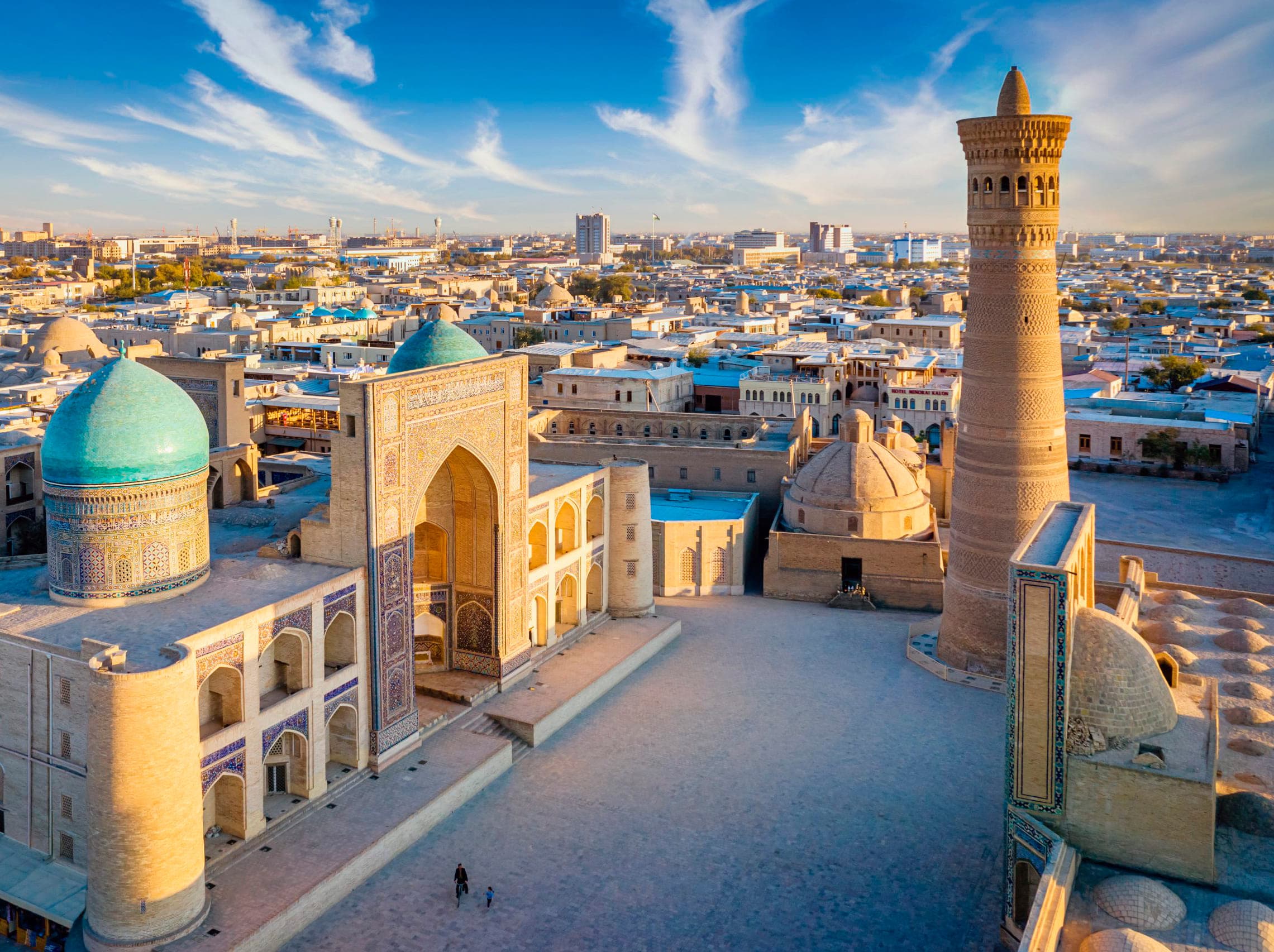
Qarshi's State Museum gathers Kashkadarya into one indoor stop: archaeology, coins, applied art, photographs, and the story of a collection once housed in Khoja Abdulaziz Madrasah.
ViewKarshi Bridge gives Qarshi a clear first image: ten brick arches over the Kashkadarya River, a road still in motion, and the trade-route memory behind the city.
View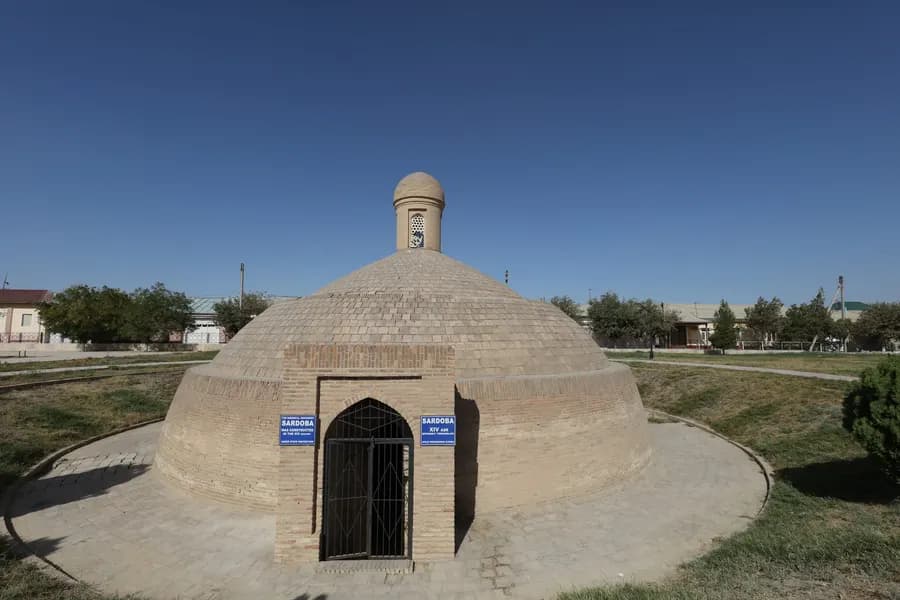
Sardoba gives Qarshi a water-architecture stop: a 14th-century domed reservoir built for a dry city, where rainwater, shade, and cooler air once mattered to travelers and daily life.
View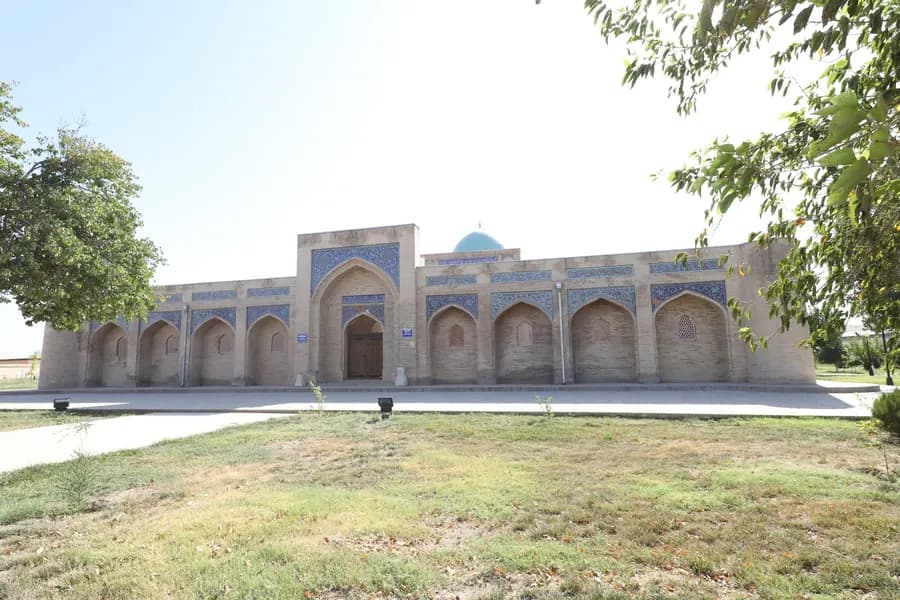
Odina Mosque and Madrasah brings Qarshi from the bridge into a quieter old-city stop: a blue dome, museum rooms, and remembered ties between worship, learning, and civic memory.
ViewPlace in detail
Timing, best hours, and how this stop fits neighbouring pins.
a focused half-day with buffer is a practical range for most groups. Leave time for walls, viewpoints, and the walk between courtyards. Place tone: “Ancient Nakhshab beyond modern Qarshi”.
Prefer early morning or late afternoon. That usually improves comfort, photos, and how the stop feels in the sequence around qarshi.
Treat it as one clear pin on the map: arrive intentionally, avoid sandwiching it between two rushed monuments, and keep the next move short enough that the group still has energy.
On request
We help agencies place this stop with realistic timing — without rushing the places that matter.