
TourLink
About
On the open road near Navoi, Rabat-i Malik turns a transfer into a real Silk Road stop.
Rabat-i Malik matters because the site begins with a visible threshold.
Keep this stop clear on the map and in the day plan — A Karakhanid gateway on the old Navoi road.
Agencies and travellers who need Rabat-i Malik Caravanserai as a readable stop — honest timing and a clear place on the route.
On the map
One clear point for Rabat-i Malik Caravanserai — A Karakhanid gateway on the old Navoi road.
Place
The map pin marks this attraction so the stop stays readable in the day plan.
Why this place
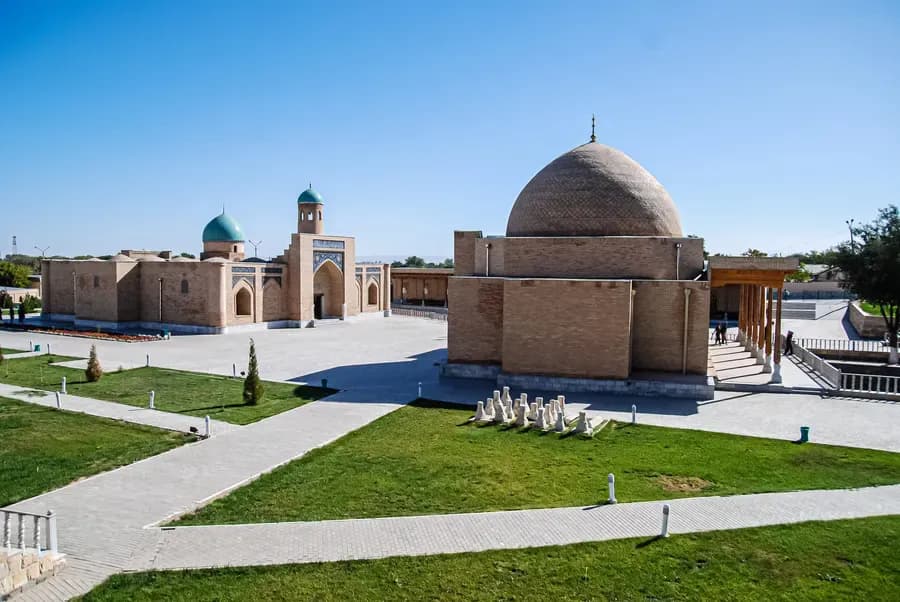
Rabat-i Malik matters because the site begins with a visible threshold. Before names and dates, the surviving portal gives the old road scale: brick height, patterned shadow, and enough empty ground around it to understand why shelter mattered.
What you'll see
The site is easiest to understand in sequence: first the entrance, then the brickwork, then the open ground and sardoba that explain why this roadside stop mattered.
How to visit
Rabat-i Malik is compact, but it should not feel like a single roadside photograph. Give the portal time first, then let the sardoba explain why water, shade, and rest mattered here.
What to add nearby
Rabati Malik Sardoba completes the road pair, while Sarmyshsay, Chashma, and Aydarkul move the same middle route toward stone, spring water, and open lake light.
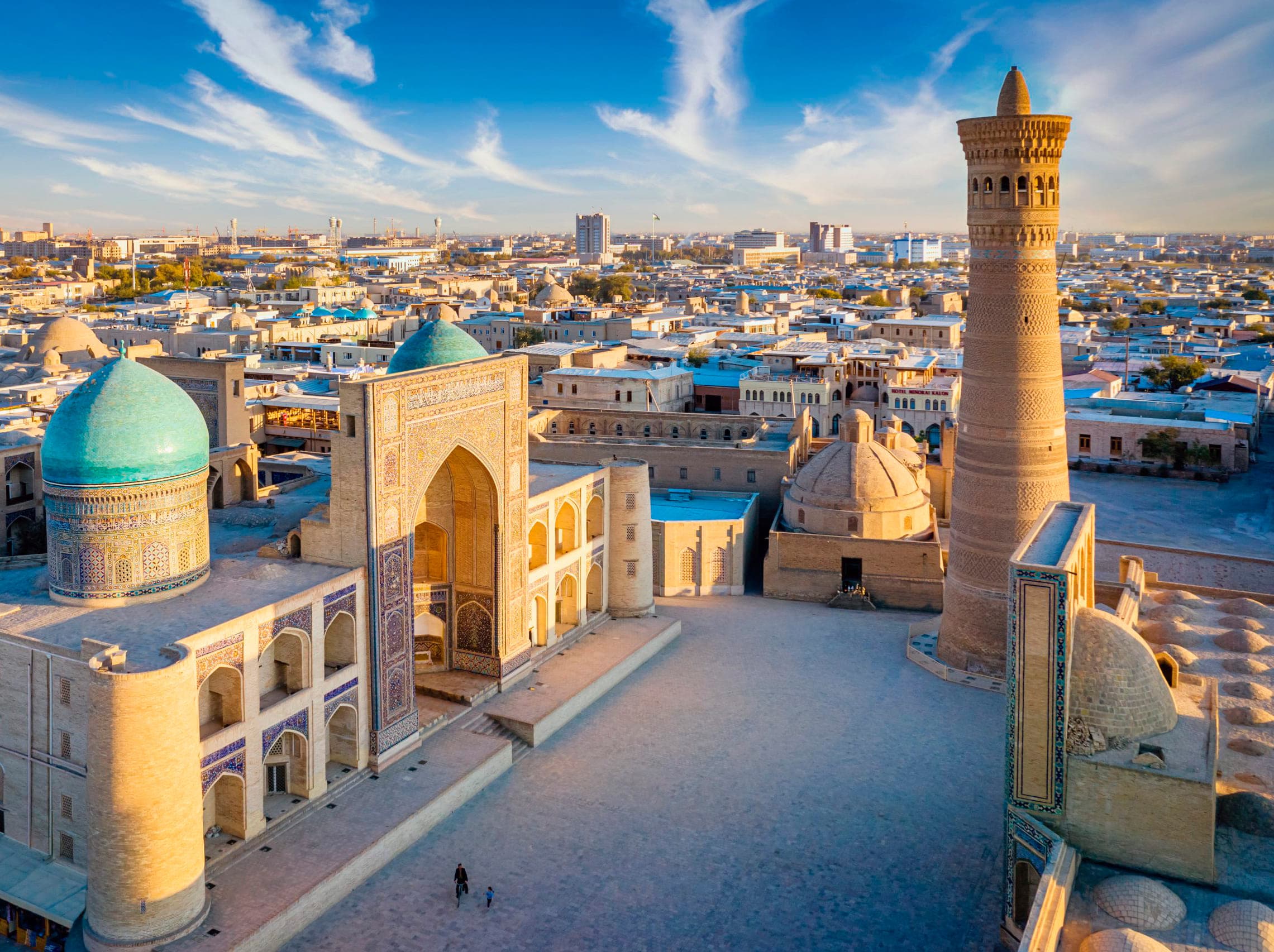
Sarmyshsay Gorge brings ancient petroglyphs into the Nurata and Kyzylkum route: animal figures, weathered stone, dry gorge air, and a guided visit that keeps the rock surfaces untouched.
ViewBeside Rabat-i Malik's portal, this 11th-century brick cistern shows the practical side of the Silk Road: stored water, dome shade, and a stop built around people and animals.
View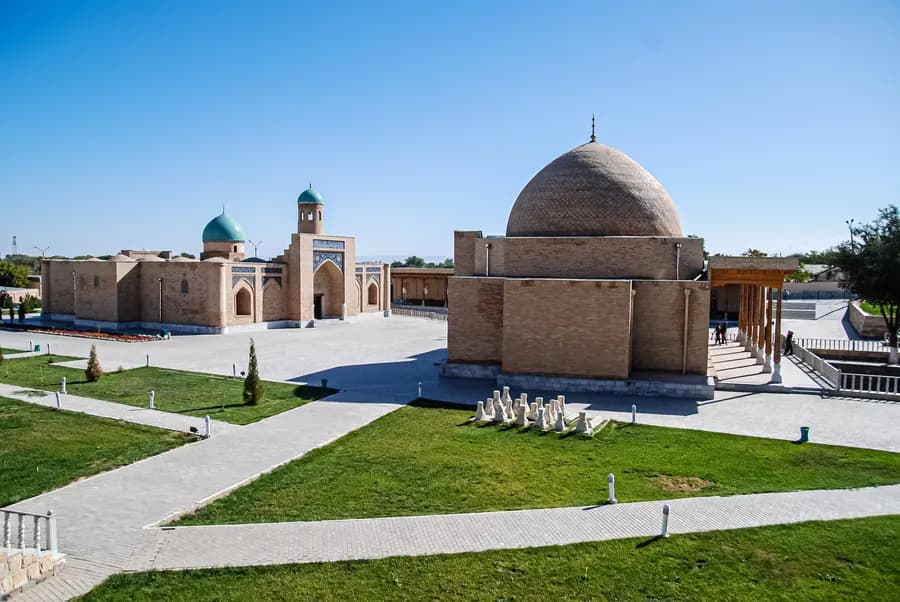
Chashma Complex is Nurata's main spring-and-mosque stop: clear water, fish in the pool, courtyard shade, and the old fortress hill nearby before the road turns toward Aydarkul and the Kyzylkum.
View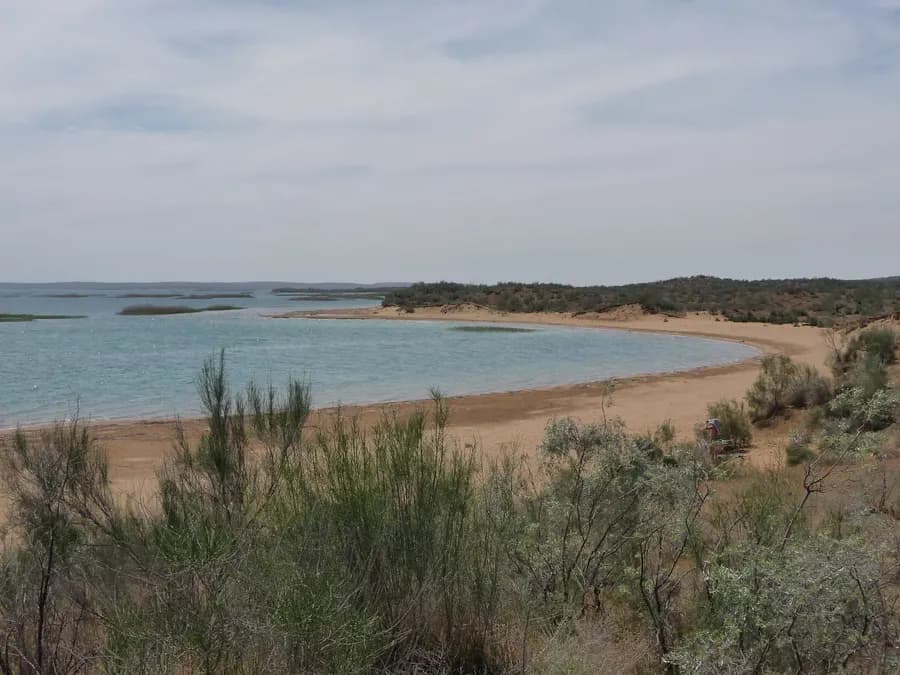
Aydarkul Lake turns the Nurata and Kyzylkum route toward open water, with reed-lined shore, pale sand, changing light, and seasonal bird movement.
ViewPlace in detail
Timing, best hours, and how this stop fits neighbouring pins.
a focused half-day with buffer is a practical range for most groups. Leave time for walls, viewpoints, and the walk between courtyards. Place tone: “A Karakhanid gateway on the old Navoi road”.
Prefer early morning or late afternoon. That usually improves comfort, photos, and how the stop feels in the sequence around rabat-i-malik.
Treat it as one clear pin on the map: arrive intentionally, avoid sandwiching it between two rushed monuments, and keep the next move short enough that the group still has energy.
On request
We help agencies place this stop with realistic timing — without rushing the places that matter.