
TourLink
About
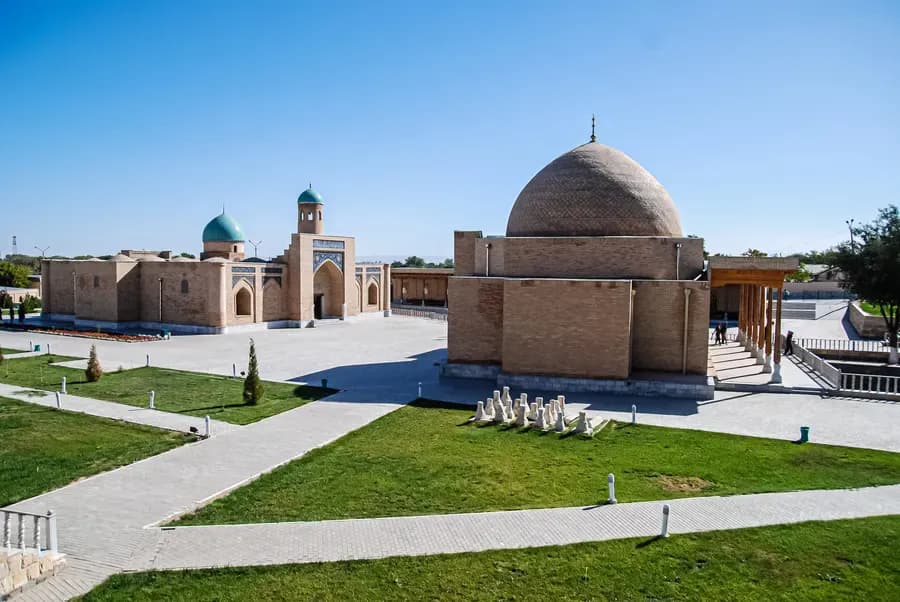
Rabati Malik Sardoba gives the old Navoi road its practical half.
The sardoba keeps Rabat-i Malik from becoming only a portal view.
Keep this stop clear on the map and in the day plan — A brick cistern beside Rabat-i Malik's portal.
Agencies and travellers who need Rabati Malik Sardoba as a readable stop — honest timing and a clear place on the route.
On the map
One clear point for Rabati Malik Sardoba — A brick cistern beside Rabat-i Malik's portal.
Place
The map pin marks this attraction so the stop stays readable in the day plan.
Why this place
The sardoba keeps Rabat-i Malik from becoming only a portal view. Brick, dome, depth, and stored water show the practical intelligence behind movement across a dry plain.
What you'll see
Look for the sardoba as a compact water-engineering stop: brick surface, dome form, a sense of depth, and the caravanserai portal that explains why water mattered here.
How to visit
The sardoba is clearest when it stays with the caravanserai. Together they make one road sequence: arrival, water, shade, rest, and the next stage of travel.
What to add nearby
Rabat-i Malik Caravanserai is the sardoba's closest pair. From there, the route can continue toward Sarmyshsay, Chashma, and Aydarkul for rock art, spring water, lake shore, and desert-edge context.
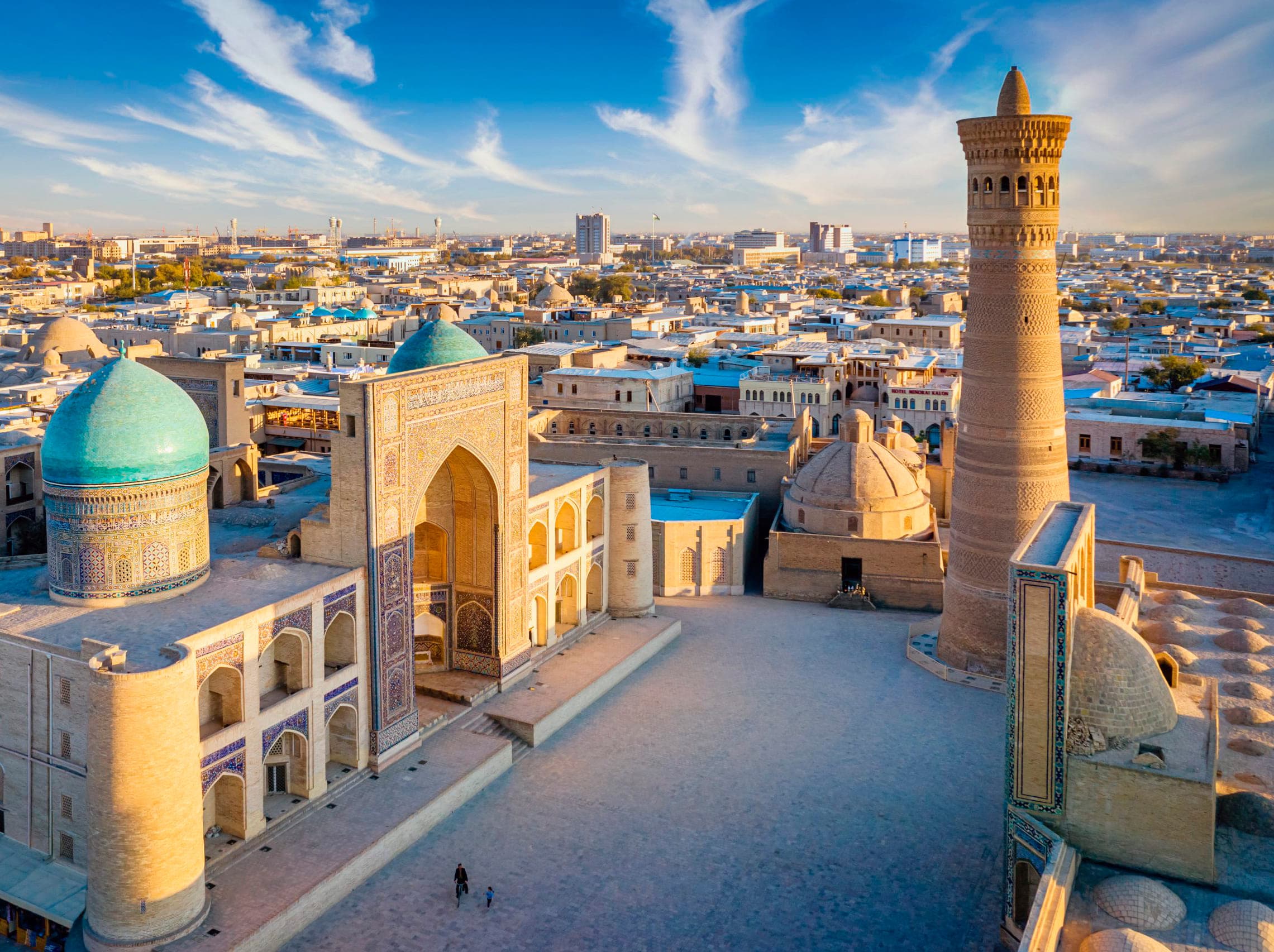
Near Navoi, Rabat-i Malik preserves a Karakhanid caravanserai portal and pairs with Rabati Malik Sardoba for a concise Silk Road stop about arrival, water, and rest.
ViewSarmyshsay Gorge brings ancient petroglyphs into the Nurata and Kyzylkum route: animal figures, weathered stone, dry gorge air, and a guided visit that keeps the rock surfaces untouched.
View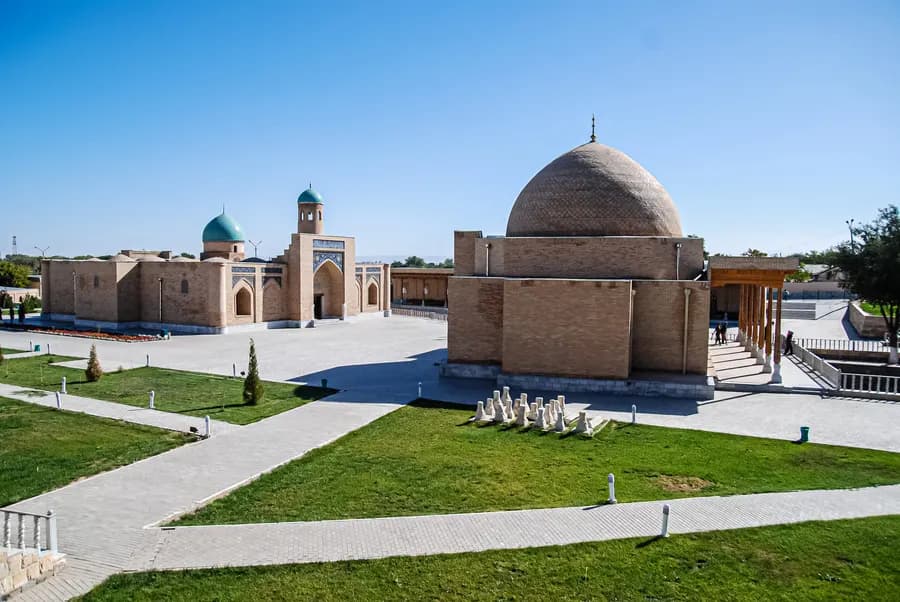
Chashma Complex is Nurata's main spring-and-mosque stop: clear water, fish in the pool, courtyard shade, and the old fortress hill nearby before the road turns toward Aydarkul and the Kyzylkum.
View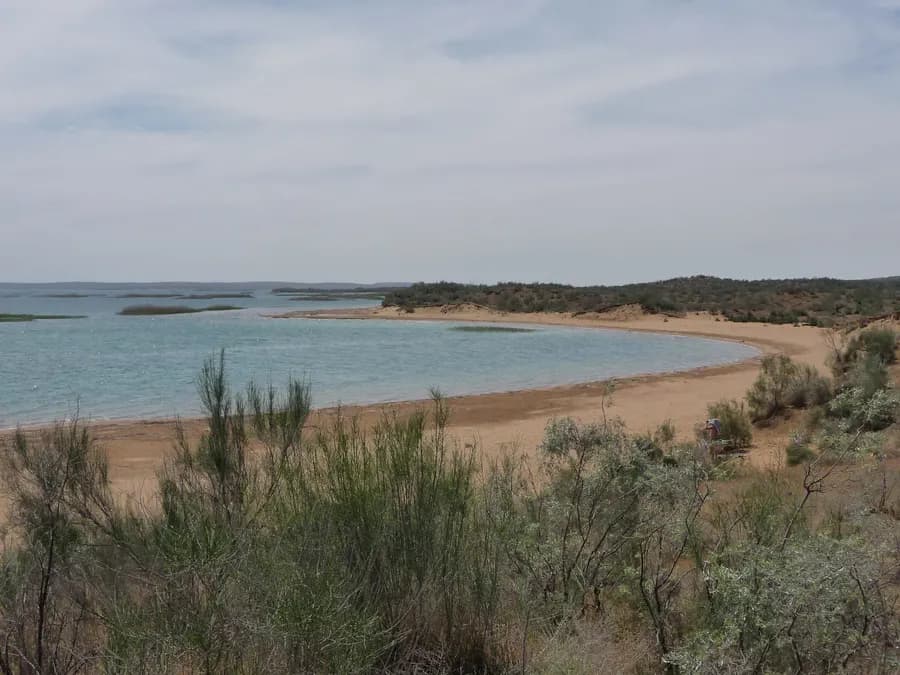
Aydarkul Lake turns the Nurata and Kyzylkum route toward open water, with reed-lined shore, pale sand, changing light, and seasonal bird movement.
ViewPlace in detail
Timing, best hours, and how this stop fits neighbouring pins.
1–2 hours is a practical range for most groups. Leave time for walls, viewpoints, and the walk between courtyards. Place tone: “A brick cistern beside Rabat-i Malik's portal”.
Prefer when the light is soft and queues are lighter. That usually improves comfort, photos, and how the stop feels in the sequence around rabat-i-malik.
Treat it as one clear pin on the map: arrive intentionally, avoid sandwiching it between two rushed monuments, and keep the next move short enough that the group still has energy.
On request
We help agencies place this stop with realistic timing — without rushing the places that matter.