
TourLink
About
Konigil sits just outside Samarkand, where the route can step from tiled monuments into handmade paper, Siab water, a wooden wheel, and a slower craft lane.
This map keeps the route simple: Samarkand first, Konigil for paper and Siab water, then either a return to the city or one nearby village continuation.
The craft village belongs close to the city: Meros and the Siab-side lane should be enough before any nearby continuation is added.
Agencies and travellers who need Konigil as a readable stop — strong places, honest pacing, and logistics that hold.
Route map
This map keeps the route simple: Samarkand first, Konigil for paper and Siab water, then either a return to the city or one nearby village continuation.
How the route moves
The craft village belongs close to the city: Meros and the Siab-side lane should be enough before any nearby continuation is added.
Begin with Samarkand’s monument core, then step out to Konigil when the route needs a craft pause.
Map note
The marker is an orientation point for the village area and the nearby route choices.
What to see
Konigil stays clearest through its real anchors: Meros paper-making, the Siab-side lane, and the way the village fits beside Samarkand.
At Meros, Konigil’s paper craft becomes visible through water, handwork, unbleached sheets, and a yard close to the Siab-side village setting.
Open placeThe Siab-side lane gives Konigil its quieter half: shade, water, tea, and a gentle walk after Samarkand’s monument scale.
Open placeKonigil sits close enough to Samarkand for a short craft detour, with Bogibaland and Yangijoy nearby when the route needs more village time.
Open placeVillage moments
These six moments keep Konigil human-scale: paper hands, moving water, tea, craft texture, the mill rhythm, and the return to Samarkand.
Watch the paper sequence turn natural material, water, and handwork into warm yellow sheets.
Step from the mill toward shade and moving water, where Konigil feels quieter than Samarkand.
Pause for tea near the water, so the paper stop has a quieter village ending.
Stay close to the material, the wheel, and the artisan’s pace instead of rushing through the stop.
Let the water wheel and paper process carry the visit before souvenirs enter the story.
Close the village pause cleanly, with Samarkand’s monuments and evening streets still nearby.
Before you go
Konigil is strongest as a short craft-and-river pause, not as a second city day.
The mill gives the visit its purpose: manual paper-making, natural raw materials, a water wheel, and a craft yard close to the river.
Konigil is where a Samarkand route can move from tile and stone into paper fibre, water, and a quieter village lane.
After monument courtyards, a shaded lane and tea by the Siab make the route feel smaller and more personal.
Samarkand remains the anchor; after Konigil, the route can return cleanly or add one nearby village stop.
Choose Konigil when you want a nearby craft pause that still belongs clearly to the Samarkand route.
At a glance Distance
About 13 km from Samarkand, close enough for a compact outing.
Main magnet
Meros paper mill, handmade Samarkand paper, and the water wheel.
Route role
A craft-and-water pause before returning to Samarkand.
Pace
Best as a short, shaded stop with paper first and any nearby continuation kept selective.
Nearby places
Samarkand is the natural return; Bogibaland and Yangijoy are nearby village choices when the route needs a second soft stop.
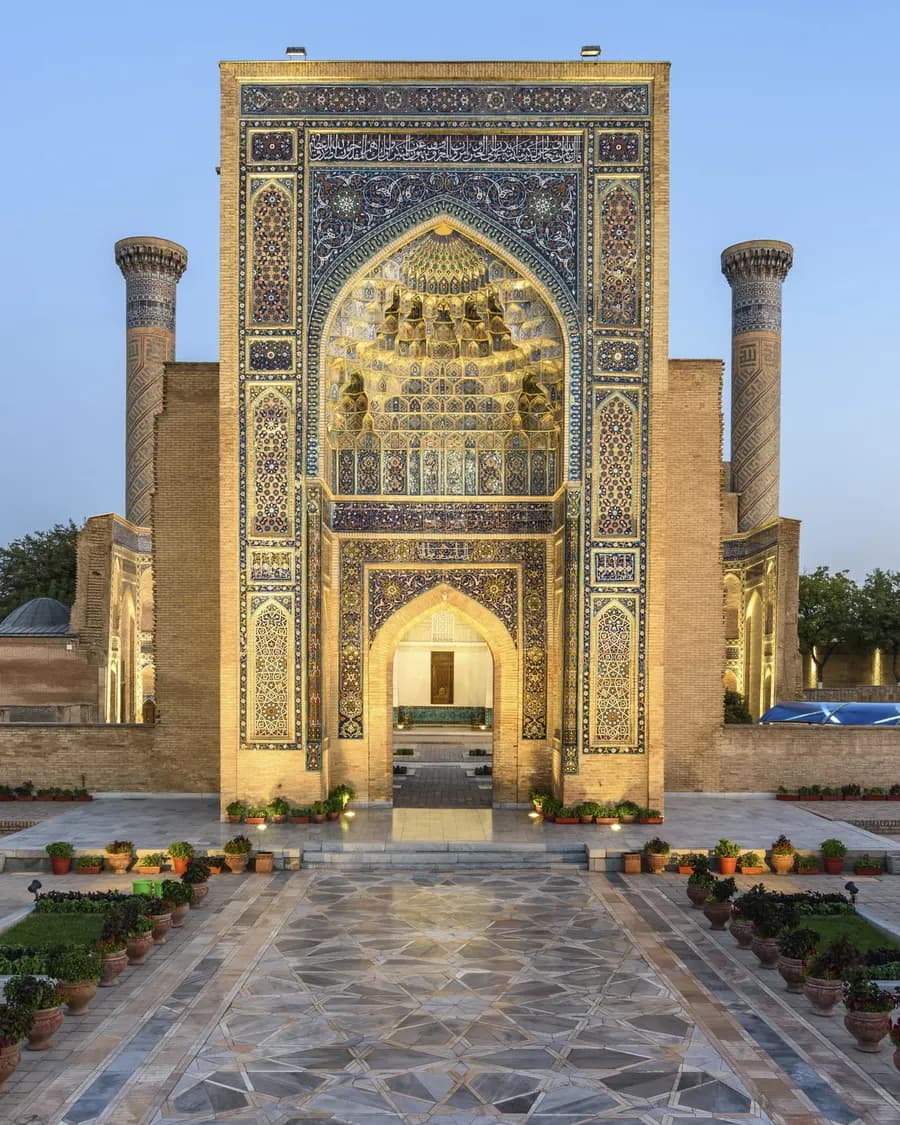
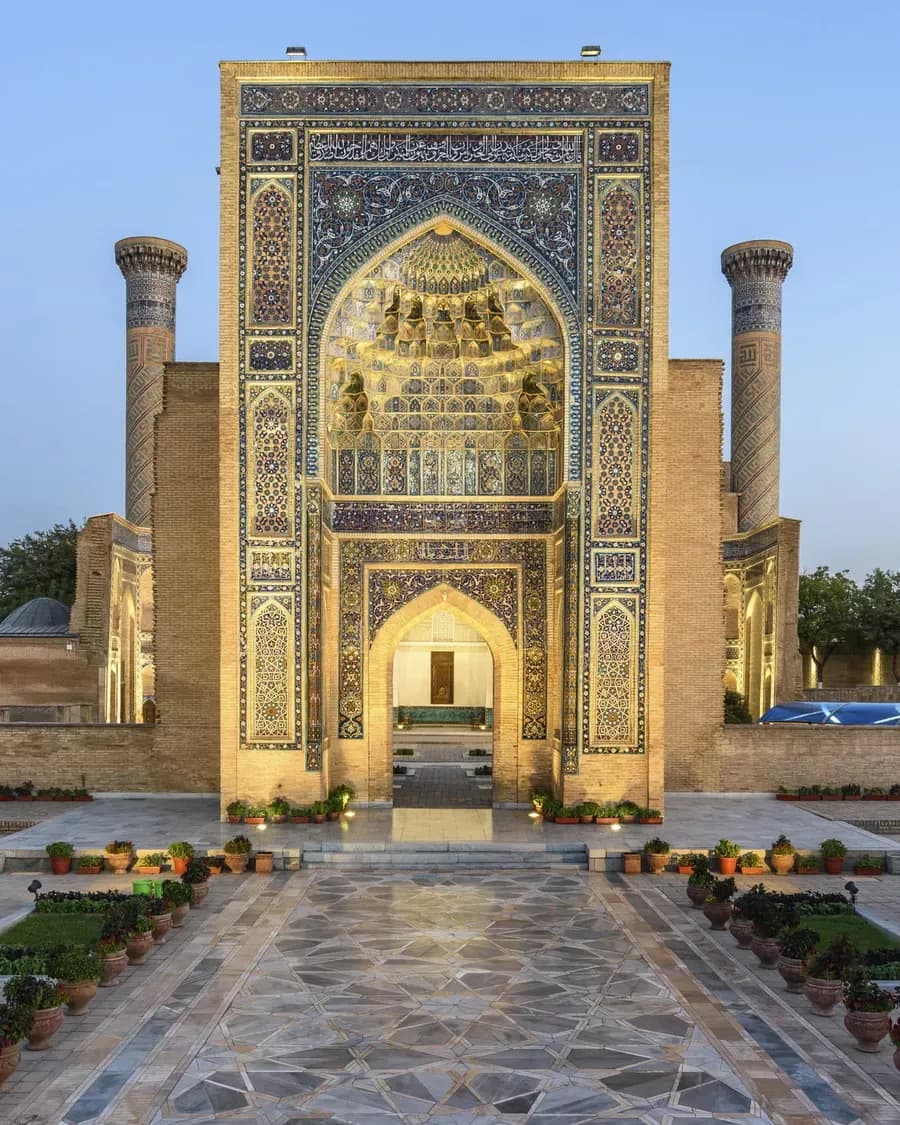
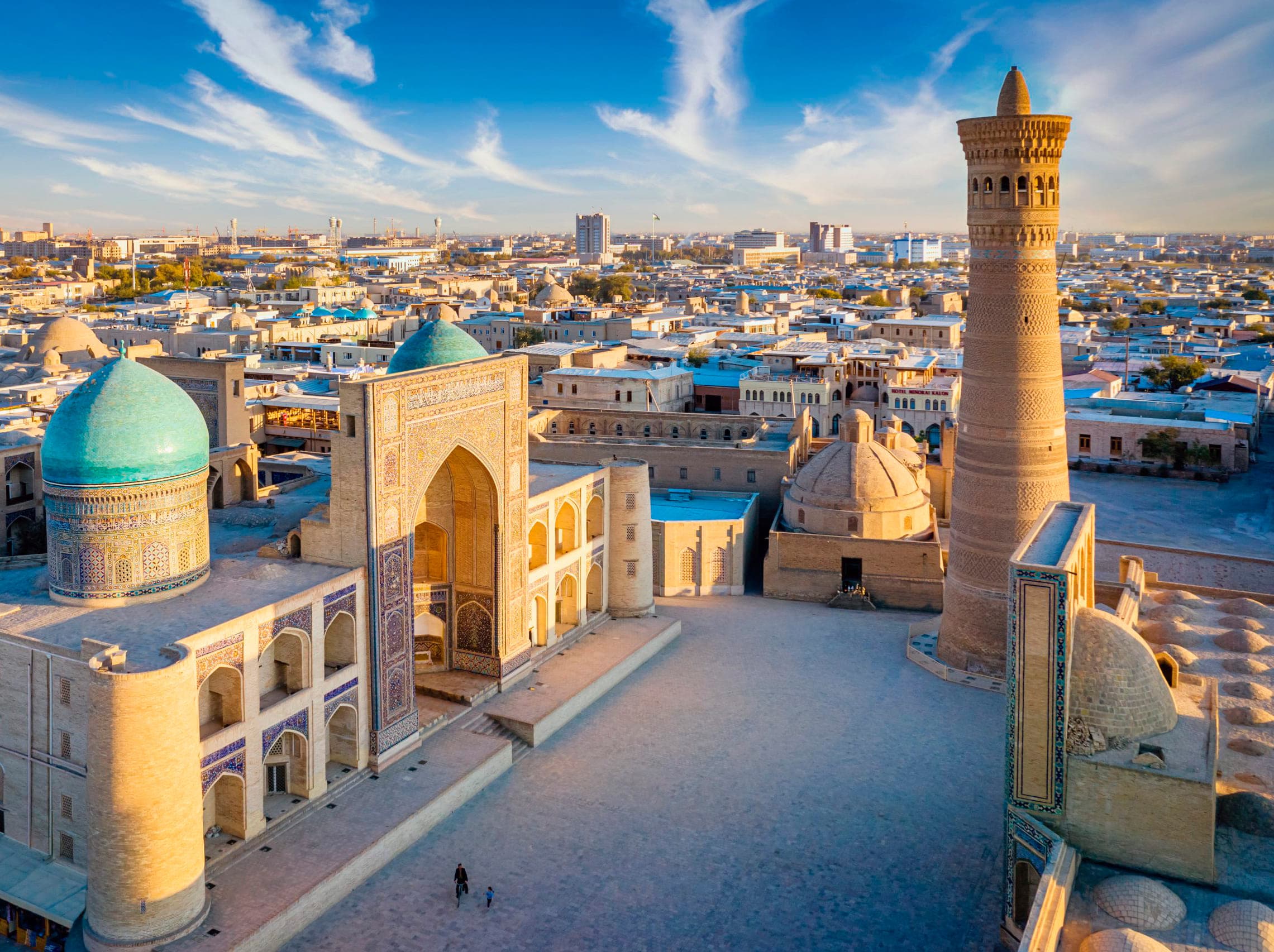
Samarkand brings the route to monumental scale: Registan, Shah-i-Zinda, Bibi-Khanym, Gur-e-Amir, Siab Bazaar, Afrosiab, and Ulugh Beg Observatory.
ViewBogibaland adds a quieter edge to Samarkand: Anjirzor fig gardens, seasonal fair tables, and a mahalla pause after the city’s monuments.
ViewYangijoy is a developing Samarkand District tourism village where a small rural pause can soften the route after the city.
ViewCity in detail
Walking time, overnight location, and when day trips make sense.
one focused city day plus overnight is usually enough when the old core or main anchors get a full walking window. City tone: “Handmade paper, Siab water, and a calm village pause near Samarkand”.
Start with the compact city walk first. Day trips only after the centre has settled — otherwise the stop feels like a transfer with monuments attached.
Stay close enough for an evening return on foot or a short transfer. That keeps tea, dinner, and a second pass through the lanes easy without burning the next morning.
On request
We help agencies set a realistic pace and choose the right next move — without rushing the places that matter.