TourLink
Impression · Bukhara
Bukhara does not begin at a souvenir stall; it begins with someone who spent years learning to see.
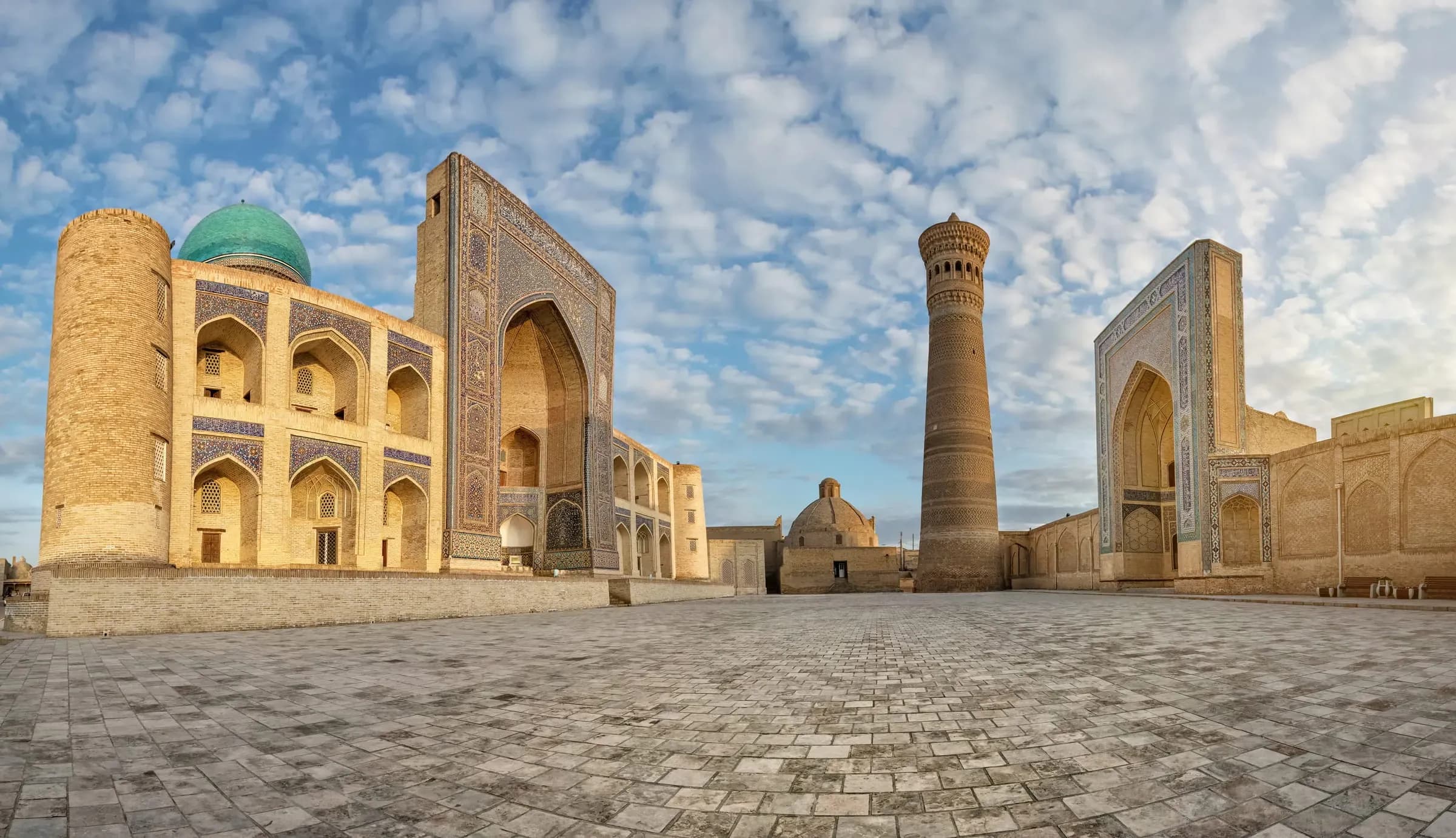
In Bukhara there are places where time runs slower. Small workshops hide behind wooden doors in the courtyards of former caravanserais, on streets that traders walked for centuries. The noise of the city does not reach here. What you hear is the tap of a hammer, the rustle of thread, the creak of wood and the voice of a craftsman speaking quietly, because he is working.
Bukhara was always a city of craftsmen. It grew on the trade routes, and the crafts grew with it. Since 2023 the city has belonged to the UNESCO Creative Cities Network as a centre of crafts and folk art. But the Bukhara of craft does not begin with that status, or with a row of souvenir stalls. It begins with a person who spent years learning to see what a passer-by never notices.
In a workshop by Toqi Zargaron they carve a pattern into wood that looks simple. A few lines, an ornament that repeats. Behind that simplicity lie years of practice and a school handed down from master to apprentice. Wood here went into doors, columns and furniture, and the carving became part of the houses.
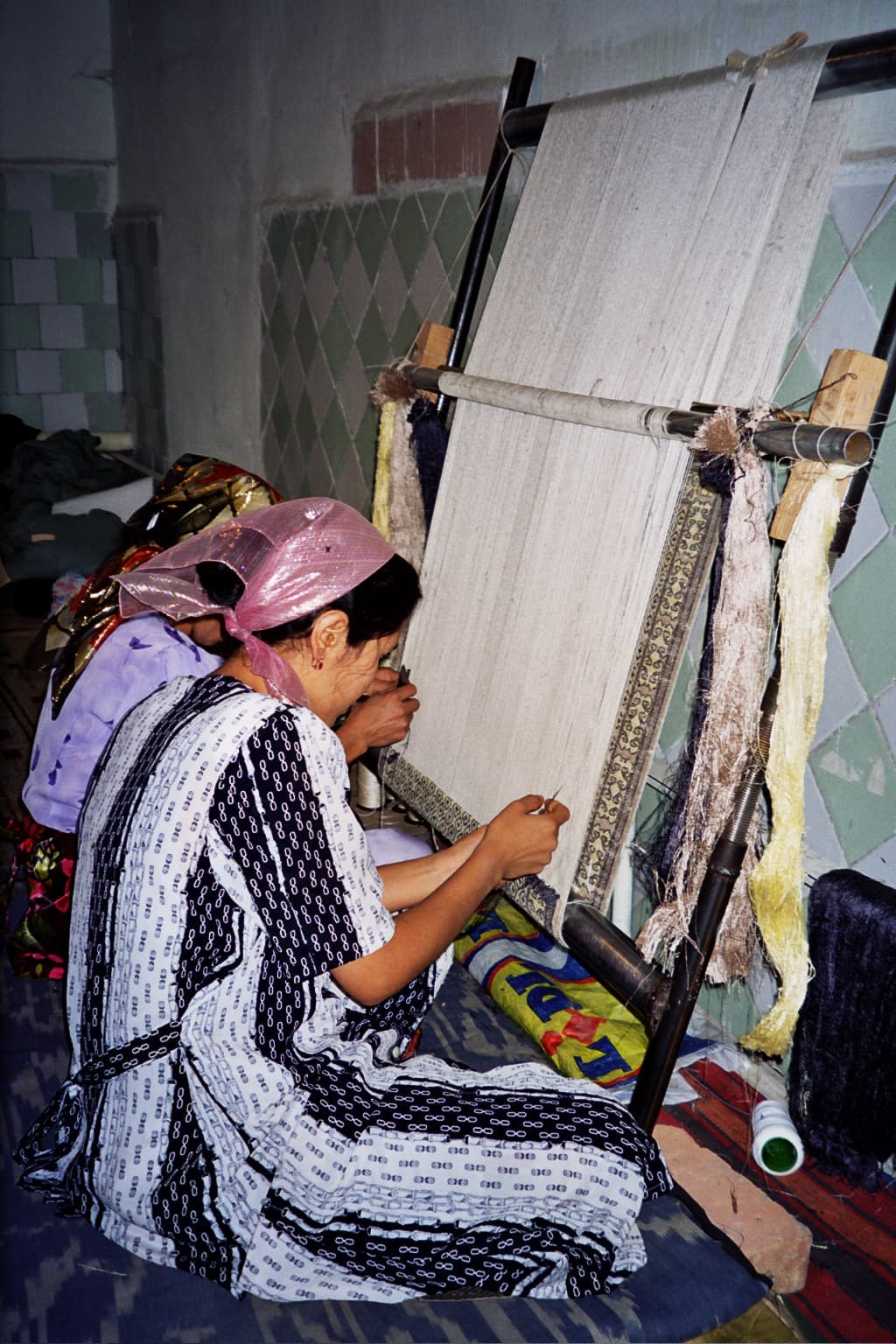
In another part of the old town there is gold embroidery, zardozi. Plain cloth on a frame turns slowly into something rulers once paid for. Gold and silver threads settle into a plant pattern, and a single piece takes weeks. This is how the clothing of the nobility used to be decorated; now the craftsmen carry the same techniques over to modern things.
In the ceramics workshop, clay becomes a bowl in half an hour. In the smithy it is the other way round: metal, fire, a heavy hammer, and the smith knows by the colour when the iron is ready to give. Some crafts need strength, some need precision, like the jeweller's, and some need patience above all. Suzani, the large embroidery of flowers and symbols, belongs to the last kind. Behind the bright colours lies a whole system of ornament, and in Bukhara you can see it not in a shop but where it is being stitched.
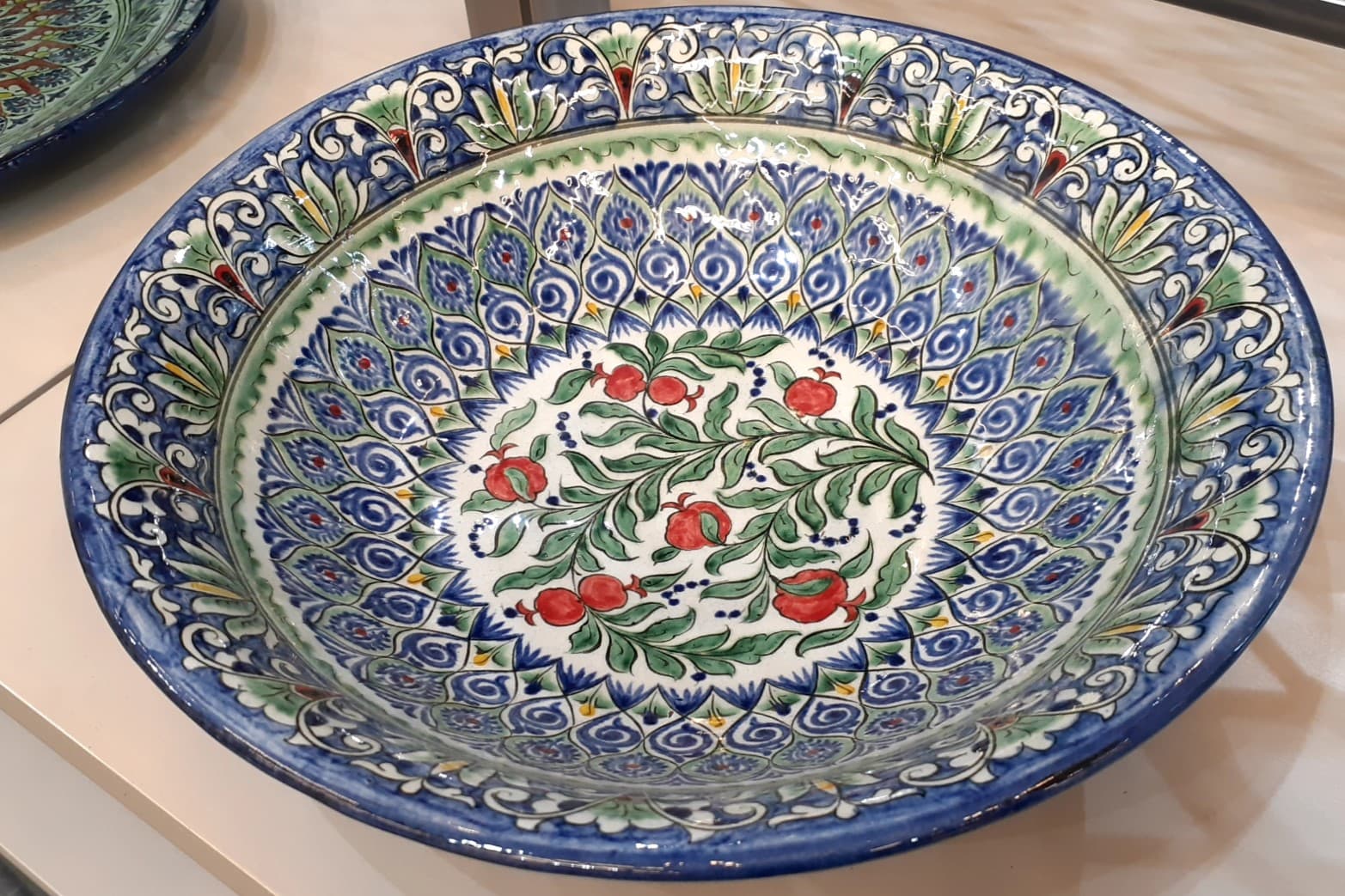
Sometimes a workshop looks like a small museum. Old tools on the walls, samples of cloth, wood and ceramics on the shelves. Next to a new piece stands something made decades ago. The difference from a museum is that here everything still works.
That is why a visit to a workshop can turn into the main day of your stay in Bukhara. There are short programmes where the guest is allowed to try: to sew a few stitches, to lay one brushstroke on a miniature, to make a first cut in wood. After an hour like that you will look at the souvenirs in the old town differently. A cup will stop being a cup and become the hours of work you have now watched with your own eyes.
Bukhara is not valuable for its minarets and the domes of its trading rows alone. Its history continues in the hands of people who sit down to work every morning. And as long as a hammer is tapping in a small workshop, it seems that time here goes a little slower.
Share
More impressions